When to Order a Building Inspection Before You Buy
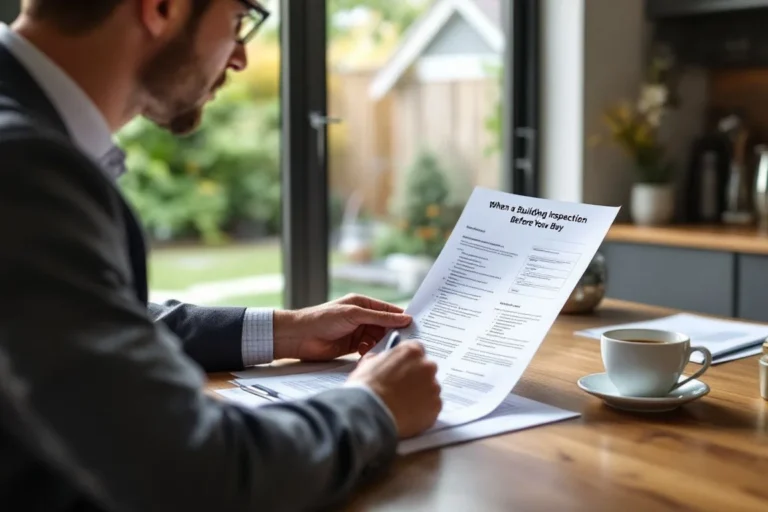
When to Order a Building Inspection Before You Buy
Buying a home is one of the largest financial decisions you will make. While the excitement of finding the right property can be overwhelming, the steps you take before signing the contract matter enormously. One of the smartest moves is scheduling a pre-purchase building inspection at the right time.
Timing is not just about availability. It affects your legal options, negotiation power, and peace of mind. In Australia, property markets move quickly, but a rushed decision can cost far more than a few weeks of waiting.
The Best Time: Before You Sign Anything
The ideal window for a pre purchase building inspection is after your offer has been accepted but before you exchange contracts. This period, often called the cooling-off phase, varies by state. In New South Wales, for instance, you typically have five business days. In other states like Western Australia or the ACT, the rules differ, so check local requirements.
During this phase, you can arrange for a building inspector to visit the property. If the inspection reveals major issues, you can renegotiate the price, request repairs, or withdraw from the sale. That flexibility disappears once you sign the contract.
Some buyers consider skipping the inspection to make their offer more attractive to sellers. This is a risky gamble. Even a newer home can hide problems like waterproofing failures, electrical faults, or structural movement. A thorough building and pest inspection provides a detailed snapshot of the property’s condition, helping you decide if it is truly worth the asking price.
Why the Property Type Matters for Timing
The home’s age and construction style influence when you should get a building report. Older houses, particularly those built before 1980, often contain materials and methods that may not meet current expectations. For example, asbestos was widely used in Australian homes until the late 1980s. If you are considering a period home in Sydney or Melbourne, an early inspection can reveal issues that affect your renovation plans.
Newly built homes, on the other hand, can also benefit from a builder’s report. While they may look immaculate, defects such as poor drainage, inadequate waterproofing in wet areas, or minor cracks can appear within the first few years. A building inspection at the pre-settlement stage or just before the builder’s warranty expires can identify problems for you to address.
Units and apartments have different considerations. While a building and pest inspection is still useful for the interior, strata reports often cover the overall condition of the shared structure. You may need both documents to understand the full picture.
When to Order an Inspection for Off the Plan Purchases
Buying off the plan presents a unique timing challenge. You cannot inspect a building that does not exist yet. However, that does not mean you have no options. You can arrange for an inspection of other completed projects by the same developer or builder. This can give you a sense of their workmanship and how they handle defects after handover.
More importantly, you should budget for a building inspection shortly before settlement. Once the property is complete, you have a narrow window to raise issues before you officially take ownership. Missing this opportunity may leave you responsible for repairs that the builder should have fixed.
If possible, include a clause in your contract that allows for a building inspection before settlement. This gives you legal protection if you discover significant defects at the last minute.
Seasonal Timing: What Time of Year Is Best?
In Australia, the time of year can affect what a building inspector finds. During the wet season in Darwin or winter in Melbourne, moisture problems are easier to detect. Dampness, rising damp, and leaking roofs often show themselves more clearly after heavy rain.
Conversely, summer inspections in Perth or Adelaide may expose issues related to heat and ventilation. However, you cannot always choose the season in which you buy. The key is to be aware that any inspection is a snapshot in time. Conditions on the day may not reveal every intermittent problem.
One approach is to have a building inspection during the contract period, regardless of the season, and then ask the inspector about any weather-related risks specific to your region. For example, homes in tropical areas like Darwin require attention to termite risk, while those in southern cities like Canberra may face different structural challenges due to temperature extremes.
No matter the timing, always choose an experienced building inspector who understands local building styles and conditions. A local inspector is more likely to know the typical defects for that area, such as clay soil movement in Adelaide or salt damp in coastal suburbs of Perth.
Remember, a building inspection is not a pass-or-fail test. It is a risk assessment. The inspector identifies issues and explains their likely impact. If the report highlights concerns, you can then decide how to proceed. For instance, if a building report suggests possible structural movement, the inspector may recommend further investigation by a structural engineer before you commit.

How Long Does a Building Inspection Take?
Typically, a standard building and pest inspection for a single-family home takes about two to three hours on site. The inspector examines accessible areas: the roof interior, subfloor (if there is one), walls, floors, windows, doors, kitchen, bathrooms, and the exterior.
After the site visit, you usually receive the report within 24 to 48 hours. Some companies offer same-day delivery for urgent situations. Ask the inspector directly about the expected turnaround time before you schedule.
If you are in a competitive auction environment, you may need to complete the inspection before auction day. Since there is no cooling-off period after an auction purchase, you must obtain the report beforehand. In these cases, you can arrange a pre-auction building inspection as part of your due diligence.
What If the Report Shows Problems?
Receiving a building report with a long list of defects should not automatically stop the purchase. Instead, it gives you power. You can use it to renegotiate the price to reflect the necessary repairs. For example, if the inspector notes a damaged roof that will need replacement, you can ask the seller to reduce the price or fix the issue before settlement.
Sometimes the issues are minor, like worn carpet or cracked tiles. These are part of normal wear and tear. More serious findings, such as termite damage, severe rising damp, or structural cracks, require careful thought. The inspector may suggest you consult a specialist, such as a pest controller or structural engineer, to get a more detailed assessment and cost estimate.
No building is perfect. Every home has some level of maintenance needs. A professional building inspector will help you distinguish between cosmetic imperfections and major problems that could affect safety or value.
If you are purchasing at auction, a pre purchase building inspection is often your only chance to uncover these issues without penalty. A few hundred dollars can save you from unexpected expenses down the track.
The Role of the Building Inspector: What to Expect
Alert Building Inspections, led by Managing Director Morgan Kircher, who has 20+ years in the building industry, uses comprehensive methods to assess a property. Our inspectors are experienced in identifying potential issues that might otherwise go unnoticed.
During the inspection, the inspector will look for visible signs of structural movement, moisture intrusion, pest activity, and safety hazards. They will also check the condition of the roof, walls, floors, electrical fittings (where visible), plumbing, and the exterior, including fences and retaining walls.
After the visit, you receive a clear and detailed report. This document explains each finding, its severity, and recommended actions. It helps you make an informed choice about proceeding with the purchase. While our inspections are thorough, they do not guarantee we will find every hidden issue. We may identify matters that warrant further investigation by a specialist, and we will tell you when that is necessary.
If you have questions about the report, you can always call and speak with the inspector who performed the assessment. Clarifying doubts at this stage is far better than being surprised later.
When to Order a Building Inspection Before You Buy
Ultimately, the right time to order a building inspection is as soon as you intend to buy a specific property and before you legally commit to the purchase. Whether you are in the cooling-off period or preparing for auction, an inspection costs little compared to the potential expenses of hidden defects. Engage a qualified professional who knows your local area, and use the findings to make a confident, informed decision about one of the biggest investments of your life.
Related Articles
- Asbestos Timelines in Australian Homes
- What a Building and Pest Inspection Covers
- What a Building and Pest Inspection Actually Covers
- Roof Inspections What Every Buyer Should Know
Alert Building Inspections – Australia
Alert Building Inspections provides professional building reports throughout Australia, delivered within 24-48 hours. Ready to protect your property investment?
Book an inspection | View our services | Read more property advice
