Building Inspection Darwin
BUILDING REPORT DARWIN
Residential & Commercial Building Reports
An on-site or over-the-phone verbal overview for time-critical decisions. Useful when you need an answer before an auction, a deadline, or a multi-offer situation.
Pre-purchase inspections occur before you make an offer or after acceptance, giving you crucial information about the property’s condition before you finalise your investment.
TESTING
Same-day on-site meth screening at your property. You'll know whether contamination is present before you commit to the purchase.
A pest inspection checks accessible areas of an Australian property for termites, borers, fungal decay and conditions that attract timber pests.
Check the Property Inspection Before You Commit
A professional building inspection gives buyers across Darwin a clearer understanding of a property before signing the contract. Alert Building Inspections identifies visible defects, moisture concerns, structural issues and maintenance requirements in Darwin homes.
Our Darwin pre purchase building inspection covers safely accessible areas from the foundations through to the roof. You receive clear findings supported by photographs and practical recommendations, helping you complete your due diligence and reduce the risk of costly surprises after settlement.
+
+
Built Around Darwin Conditions
Effective building inspections across Darwin need to account for heat, humidity, heavy wet-season rain and coastal exposure. These conditions can contribute to moisture damage, timber decay, corrosion and deterioration around roofing, cladding, flashings and exterior fixings. Signs of previous storm damage or incomplete repairs may also require closer investigation.
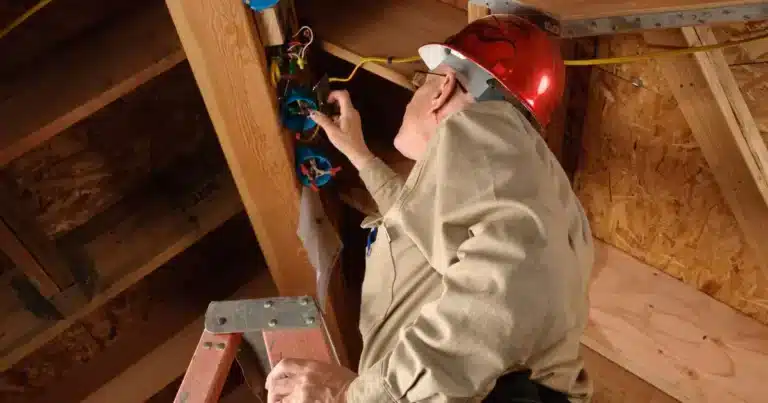
Your building inspector assesses visible structural elements, roofing, wet areas, drainage, ventilation, windows and exterior structures. Moisture testing is carried out around common water-entry points. A pest inspection can also identify signs of termites, borers and timber damage throughout accessible areas, giving you a broader understanding of the property before buying.

Turn the Findings Into a Clear Decision
Your pre purchase building inspection gives Darwin buyers practical information at the point it matters most. The written report separates significant defects from routine maintenance, explains the visible condition of the property and identifies areas where specialist advice may be required.
Alert Building Inspections is available to discuss the findings after delivery. You can use the report to negotiate the price, request repairs, plan future costs or reconsider a Darwin property carrying unacceptable risk. Book your building inspection before important contract or finance conditions expire so you have enough time to act on the results.
Why Choose Alert Building Inspections?
Our building inspections give Darwin buyers direct advice backed by trade experience and local knowledge.
- Trade-qualified inspectors: Your building inspector understands Australian construction and the effects of tropical conditions on homes.
- Thorough inspection scope: Accessible interiors, exteriors, roofing, roof spaces, subfloors and site features are assessed.
- Australian Standards: Each building inspection follows the AS 4349.1-2007 reporting standard.
- Accepted by all banks: Written reports provide clear supporting information for finance and purchase conditions.
- Full indemnity insurance: Professional cover provides added protection throughout the inspection process.
- Fast turnaround: Reports are delivered within 24–48 hours for time-sensitive purchases.
- Written and verbal options: Choose detailed reporting or a verbal overview when a decision cannot wait.
- Additional testing: Pest inspections and meth testing can be added for broader due diligence.

Our Working Process
Book
Confirm
Inspect
Report
WRITTEN BUILDING INSPECTION
Professional and Reliable Inspection reports to AS4349.1 reporting Standards
METH TESTING DARWIN
Same-day onsite testing with building inspection throughout Darwin
VERBAL BUILDING INSPECTION
On site or over the phone verbal overview for time critical decisions




Frequently Asked Questions
How much does a building inspection cost in Darwin?
Our pre-purchase building inspection and written report start from $499 plus GST; a verbal building inspection report starts from $299 plus GST; meth testing starts from $279 plus GST; and pest inspection reports start from $599 plus GST.
The main factors in the price are the property’s location and travel distance, along with its size, age, and construction. We quote a fixed price upfront, so there are no surprises. Send the property address through our contact form, and we will confirm your price and the earliest available time. Full details are on our services page, and our guide to building inspection costs explains what you are actually paying for.
What does a Darwin building inspection cover?
Every pre-purchase inspection covers all safely accessible areas of the property:
- Interior — walls, ceilings, floors, windows, doors, joinery, wet areas and kitchen
- Subfloor — foundations, ventilation and plumbing, where access is available
- Roof space — roof framing, insulation, wiring and the underside of the roof covering
- Roof exterior — roof cladding, fixings, flashings, gutters and downpipes
- Exterior — cladding, window and door frames, garages, decks, paving, fencing and drainage
- Moisture — metered testing around wet areas and other high-risk points
Your inspector will also note any major defects, safety hazards, and items that need further investigation. Areas that cannot be safely accessed — such as a fully enclosed subfloor or a locked room — are clearly listed as limitations in the report. Every inspection follows the Australian Standard for pre-purchase inspections, AS 4349.1-2007. For a walkthrough of the appointment itself, see what to expect during a pre-purchase building inspection.
What can I expect from your Darwin building report?
Your report will be clear, photographic and easy to act on. We group findings into major defects, minor defects, and maintenance items, and illustrate each with photos so you can see exactly what we found. You get plain English rather than trade jargon, an honest summary, and practical recommendations on what needs attention and how urgent it is. We deliver reports within 24 to 48 hours of the inspection, and you are welcome to call your inspector to talk through anything in them. See reading and understanding your property assessment report.
What is a building inspection, and why is it important in Darwin?
A building inspection is a visual, non-invasive assessment of a property’s condition carried out by a trade-qualified inspector. It matters in Darwin more than in most Australian cities, for three reasons. Darwin sits in a cyclonic wind region, so a home’s ability to withstand extreme wind depends on how well its roof, fixings and connections were built and how they have held up since.
The climate is tropical — a wet season of sustained heavy rain and high humidity, then a dry season — which drives water ingress, mould and corrosion harder than a temperate city does. The region also has a termite species found nowhere else in Australia that is the most destructive in the country. An inspection gives you the facts you need to negotiate a fairer price, request repairs, or walk away before a hidden problem becomes expensive.
How long does a building inspection take in Darwin?
Most residential inspections take between one and two hours, depending on the property’s size, age and construction, and how accessible the subfloor and roof space are. A large elevated home with a deep subfloor and a complex roof can take longer — we would rather spend the time than rush a section in a climate where the details matter. Your written report follows within 24 to 48 hours. If you need an answer sooner, before an auction or a deadline, ask us about a verbal report on the day.
Can I attend the building inspection?
Yes, and we encourage it. Attending gives you the chance to see the issues for yourself, ask questions on the spot, and understand how serious each one really is. If you cannot attend — because you are interstate, overseas, or short on time — your inspector will call you through the findings, and everything is documented in the report with photos.
Do I need a building inspection for a new home in Darwin?
Yes. New and recently built homes can still have defects, including incomplete work, work that doesn’t meet the required standards, and problems that only appear after the first wet season — and in Darwin, that first wet season is a serious test. Roof and flashing defects, poorly sealed penetrations, waterproofing failures in wet areas, and drainage that doesn’t cope with a tropical downpour often only reveal themselves once the rain arrives.
An inspection before settlement gives you the chance to have issues rectified while the builder’s warranty still covers the work. A building in a cyclonic region is designed to withstand engineered wind loads, so both the design documentation and the as-built construction matter — our guide to planning your new home construction timeline in Australia shows where inspections fit into the build.
Do you offer pre-purchase building inspections in Darwin?
Yes — pre-purchase building inspections are our core service. We can carry it out before you make an offer (if the seller allows access) or after your offer is accepted, during your cooling-off or finance period. Timing matters: this is the window in which you can still renegotiate the price, make your offer conditional, or withdraw. See when to order a building inspection before you buy. A pre-listing inspection is the same inspection a seller orders before going to market, and we provide it in Darwin and Palmerston as well.
Are your Darwin building inspectors qualified?
All of our inspectors are trade-qualified builders with hands-on construction experience, not just trained observers. That means they understand how a building is actually put together, can tell whether a roof has been properly fixed down rather than merely covered, and can read a crack or a stain in the context of the climate that produced it. Every inspection follows the Australian Standard for pre-purchase inspections (AS 4349.1-2007), and all major banks accept our reports. You can meet them on our team page.
What common issues are found during building inspections in Darwin?
The most common findings are:
- Termite activity — including the giant northern termite, which is native to the Darwin region and the most destructive species in Australia
- Water ingress — failed waterproofing in wet areas, defective flashings, poorly sealed penetrations, and cladding systems that trap moisture.
- Roof and fixing defects — corroded or failed roof fixings, deteriorated cladding, damaged flashings, blocked or overflowing gutters.
- Corrosion — metal flashings, lintels, fixings and balustrades affected by salt air and humidity
- Mould and condensation — from high humidity and air-conditioned interiors, with staining, musty odours and elevated moisture readings
- Timber decay — rot in decks, posts, subfloor timbers, window and door frames
- Drainage and site issues — stormwater that cannot cope with a tropical downpour, poor fall around the building, water ponding against the slab
- Non-compliant or unapproved building work — including unapproved structures that were never engineered for cyclonic wind loads
- Safety hazards — unsafe balustrades, stairs, glazing, and electrical or gas fittings
Our guide to common building defects found in Australian home inspections covers each of these in more detail, and monolithic cladding explains one water-ingress risk that is easy to miss.
Are termites a problem in Darwin?
Yes, and Darwin is genuinely in a different category from the rest of Australia. The region is home to Mastotermes darwiniensis — the giant northern termite, also called the Darwin termite — which is native to the Top End, is named after this city, and is regarded as the most destructive termite species in Australia. It attacks not only timber but also living trees, and it will damage materials other than wood, including electrical cabling.
Unlike most termites, it does not build visible mounds: its nests are subterranean and inconspicuous, which is exactly why infestations go unnoticed for years. Its workers and soldiers are also conspicuously larger than other species—typically over 12 mm long, compared with under 7 mm for nearly all the others.
Two further points matter when you are buying. First, it is most active during the wet season, with dispersal flights around October and November, so a property can look settled in the dry season and be under active attack in the wet. Second, the Northern Territory’s building provisions specifically recognise areas where this species is prevalent and require additional termite risk management measures — the usual assumption that naturally termite-resistant timber is sufficient does not hold here.
A building inspection looks for evidence of timber pest activity, but a dedicated pest inspection under AS 4349.3 is the only way to assess it properly. Our pest inspection reports start from $599 plus GST and cover all accessible areas for termites, borers and fungal decay, together with the conditions that attract them. On a Darwin property, we would not treat a pest inspection as optional. See what a building and pest inspection covers and termite activity signs every Australian home owner should know.
How does Darwin’s cyclone risk affect a building inspection?
Darwin sits in wind Region C under AS/NZS 1170.2, which makes it a designated cyclonic area. Buildings here must be designed for cyclonic wind loads under the National Construction Code in addition to normal structural requirements — and the higher the site’s exposure, the more demanding that design has to be.
So a Darwin inspection pays particular attention to the things that hold a building together in extreme wind: roof tie-downs, batten and cladding fixings, barge and ridge capping, window and door fixings and glazing, and the connections on verandahs, carports, pergolas and awnings — which are frequently the first elements to fail. We also look for unapproved structures that were never engineered for those loads.
The local history explains why this matters. Cyclone Tracy struck Darwin on Christmas Eve 1974 and destroyed between 50 and 60 per cent of the city’s houses, with only about 6 per cent escaping more than minor damage. Before Tracy, cyclone-resistant construction in the Northern Territory was largely left to individual builders, with unregulated standards and design that was simply inadequate for a cyclonic region.
Tracy changed that permanently: engineered cyclone construction, stronger tie-downs, fatigue-resistant roof fixings and internal-pressure design all followed, and post-Tracy housing is estimated to suffer around 85 to 90 per cent less damage in a comparable event.
The practical consequence for a buyer today is that almost nothing in Darwin survives from before Tracy unaltered — the city was rebuilt from 1975 onward, and much of that rebuilding happened in the late 1970s. Those homes were built well, but they are now around half a century old and have spent every one of those years in salt air and tropical humidity.
The steel fixings that keep a roof on are the most exposed to that, so we check their condition closely rather than assume it's fine. One honest scope note: we are not structural engineers and cannot certify a building’s cyclone rating. Where we see something that needs engineering assessment, we will say so. See roof inspections: what every buyer should know.
What does the tropical climate do to a Darwin home?
It attacks a building on several fronts at once, and that is what makes Darwin different from almost anywhere else in Australia. The wet season brings sustained heavy rain and very high humidity; the dry season is comparatively mild; and the coast adds salt to the air year-round.
The consequences we see most often are water finding its way in through failed flashings, poorly sealed penetrations, cracked render and failed wet-area waterproofing; mould and mildew on ceilings, cornices and in wardrobes and wet areas; timber decay in decks, posts, subfloor timbers and window frames; and corrosion of metal flashings, lintels, fixings and balustrades.
A subtler problem also catches people out. Darwin homes that run air conditioning heavily through the wet season keep cool surfaces inside while the outside air is warm and saturated with moisture. That drives condensation onto cool interior surfaces, which feeds mould and keeps building materials damp — the opposite of what you would expect in a hot climate.
Good cross-ventilation, working exhaust fans and extractors, and a functioning air-conditioning system all matter far more here than in a southern city. That is why every inspection includes non-invasive moisture-meter testing around wet areas and other high-risk points, and where we find elevated readings, the report explains the likely source and what further investigation is needed. See our guide to understanding moisture detection during property assessments.
Can you check for wet season water damage and drainage problems?
We check for evidence of water damage on every inspection — staining, swelling, drummy tiles, musty odours, corroded fixings, tide marks, and elevated moisture readings — throughout wet areas, ceilings, the subfloor, and around the exterior. We also assess the site drainage, because Darwin stormwater has to cope with a great deal of water in a short time: poorly graded ground, blocked or undersized stormwater, gutters that overflow, and water ponding against a slab are all common and all worth knowing about before you buy.
One honest limitation: a building inspection reports the property’s condition at the time of inspection. If your inspection falls in the dry season, we can identify the evidence that a problem has occurred and the likely cause, but we cannot make it rain to reproduce it. If you are serious about a property, and especially if the inspection reveals past water ingress, a re-inspection during the wet season can be well worth the cost — a roof that looks sound in July can behave very differently in January. We are happy to arrange that if you want it.
Do you have to go under the house, and what about high-set homes?
Subfloor access is a normal part of an inspection, and in Darwin it is particularly valuable. Many homes are elevated or high-set, which gives good access to the bearers, joists, stumps and ant caps, the plumbing and drainage, and the underside of the floor — all of which are exposed to moisture and termite activity in this climate. If a subfloor is enclosed, too low, or otherwise unsafe to enter, I record it as a limitation in the report rather than quietly passing it over, so you know exactly what was and wasn’t inspected.
The roof space is the other area worth mentioning. In elevated or high-set homes, and in single-storey homes with low-pitched roofs, access to the roof void can be limited. We inspect every part we can safely reach and list anything we could not. If you are buying an older Darwin home, it is worth asking us upfront about access so there are no surprises in the report.
How quickly can you book a Darwin inspection, and when will I get my report?
For urgent purchases, we can often inspect within 24 to 48 hours, and we deliver your written report within 24 to 48 hours of the inspection. If you are working to an auction, a finance deadline, or a cooling-off period, we can provide a verbal summary straight after the walkthrough so you don’t have to wait for the written report to make a decision. Tell us the deadline when you get in touch, and we will confirm whether we can meet it before you commit.
Do you provide building inspections near me?
We inspect properties across Darwin and the Greater Darwin region, including Palmerston. Suburbs with dedicated pages include Bakewell, Bellamack, Driver, Durack, Grey, Johnston, Moulden, Palmerston, Rosebery, and Woodroffe. If your suburb isn’t listed, send through the address, and we will confirm straight away. We also inspect throughout Australia, with locally based, trade-qualified inspectors in Sydney, Perth, Adelaide, Canberra, Palmerston and Tasmania.
What happens if the Darwin report finds significant defects?
The report gives you the facts you need to decide, rather than a recommendation to walk away. Depending on what is found and how the property is priced, buyers commonly use a report to negotiate a lower price, ask the vendor to complete repairs before settlement, obtain a specialist assessment, or withdraw if the risk is unacceptable.
Your rights to withdraw depend on the conditions in your contract, so seek legal advice before acting on that option. If you are comparing inspectors, our guide on how to choose the right building inspector sets out what actually matters. Our inspectors remain available to talk through the findings after delivery — a report is only useful if you understand it.
