Building Inspection Canberra
BUILDING REPORT CANBERRA
Residential & Commercial Building Reports
An on-site or over-the-phone verbal overview for time-critical decisions. Useful when you need an answer before an auction, a deadline, or a multi-offer situation.
Pre-purchase inspections occur before you make an offer or after acceptance, giving you crucial information about the property’s condition before you finalise your investment.
TESTING
Same-day on-site meth screening at your property. You'll know whether contamination is present before you commit to the purchase.
A pest inspection checks accessible areas of an Australian property for termites, borers, fungal decay and conditions that attract timber pests.
Understand the Property Before You Buy
A professional building inspection gives buyers across Canberra a clearer understanding of a home before signing the contract. Alert Building Inspections Canberra identifies visible defects, structural concerns, moisture issues and maintenance requirements.
Our pre purchase building inspection covers safely accessible areas from the foundations through to the roof. Detailed building reports provide photographs, direct explanations and practical recommendations, helping you complete your due diligence and avoid unexpected repair costs after settlement.
+
+
Inspection Knowledge for Canberra Homes
Professional building inspections across Canberra need to account for the city’s mix of established homes and newer developments. Older properties around Narrabundah and Wanniassa may have ageing roofing, cracking or deferred maintenance. Newer homes in Gungahlin, Franklin and Harrison can also contain incomplete work or construction defects.
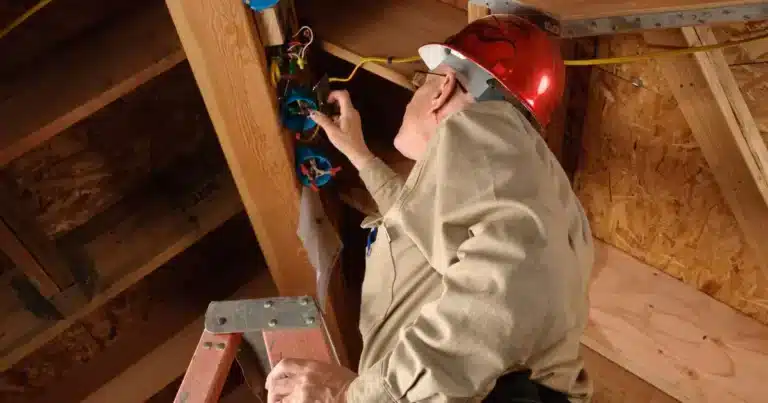
Your building inspector assesses visible structural elements, roofing, roof spaces, subfloors, wet areas, cladding, windows, drainage and exterior structures. Canberra’s hot summers and cold winters can place ongoing pressure on roofing, sealants and external materials. Pest inspections can also identify signs of termites, borers and timber damage throughout accessible parts of the property.

Building Reports That Help You Take Action
Your building inspection report gives Canberra buyers a practical record of the property’s visible condition. Major defects, minor maintenance and potential safety concerns are explained clearly, helping you understand which findings need immediate attention and which can be planned for later.
Alert Building Inspections remains available to discuss your Canberra building inspection report after delivery. The findings can help you negotiate the price, request repairs, arrange specialist advice or reconsider a home carrying unacceptable risk. Book your inspection early so you have enough time to review the report before finance or contract conditions expire.
Why Choose Alert Building Inspections?
Our building inspection services give Canberra buyers independent advice backed by practical construction knowledge.
- Trade-qualified team: Our building inspectors understand how Australian homes are constructed and where defects commonly develop.
- Thorough assessments: Your building inspector checks accessible internal, external, roof and subfloor areas.
- Australian Standards: Every building inspection report follows the AS 4349.1-2007 reporting standard.
- Accepted by all banks: Written reports provide reliable documentation for finance and purchase conditions.
- Full indemnity insurance: Professional cover provides added protection throughout the inspection process.
- Fast turnaround: Detailed building inspection reports are delivered within 24–48 hours.
- Written and verbal reports: Select comprehensive documentation or a verbal overview for urgent Canberra purchases.
- Additional services: Pest inspections and meth testing can be added to strengthen your due diligence.

Our Working Process
Book
Confirm
Inspect
Report
WRITTEN BUILDING INSPECTION
Professional and Reliable Inspection reports to AS4349.1 reporting Standards
METH TESTING CANBERRA
Same-day onsite testing with building inspection throughout Canberra
VERBAL BUILDING INSPECTION
On site or over the phone verbal overview for time critical decisions




Frequently Asked Questions
How much does a building inspection cost in Canberra?
Our pre-purchase building inspection and written report starts from $499 plus GST; a verbal building inspection report starts from $299 plus GST; meth testing starts from $279 plus GST; and pest inspection reports start from $599 plus GST.
The main factors in the price are the property’s location and travel distance, along with its size, age, and construction. We quote a fixed price upfront, so there are no surprises. Send the property address through our contact form, and we will confirm your price and the earliest available time. Full details are on our services page, and our guide to building inspection costs explains what you are actually paying for.
What does a Canberra building inspection cover?
Every pre-purchase inspection covers all safely accessible areas of the property:
- Interior — walls, ceilings, floors, windows, doors, joinery, wet areas and kitchen
- Subfloor — foundations, ventilation and plumbing, where access is available
- Roof space — roof framing, insulation, wiring and the underside of the roof covering
- Roof exterior — roof cladding, flashings, gutters and downpipes
- Exterior — cladding, window and door frames, garages, decks, paving, fencing and drainage
- Moisture — metered testing around wet areas and other high-risk points
Your inspector will also note any major defects, safety hazards, and items that need further investigation. Areas that cannot be safely accessed — such as a fully enclosed subfloor or a locked room — are clearly listed as limitations in the report. Every inspection follows the Australian Standard for pre-purchase inspections, AS 4349.1-2007. For a walkthrough of the appointment itself, see what to expect during a pre-purchase building inspection.
What can I expect from your Canberra building report?
Your report will be clear, photographic and easy to act on. Findings are grouped into major defects, minor defects, and maintenance items, and each is illustrated with photos so you can see exactly what was found. You get plain English rather than trade jargon, an honest summary, and practical recommendations on what needs attention and how urgent it is. We deliver reports within 24 to 48 hours of the inspection, and you are welcome to call your inspector to talk through anything in them. See Reading and Understanding Your Property Assessment Report.
What is a building inspection, and why is it important in Canberra?
A building inspection is a visual, non-invasive assessment of a property’s condition carried out by a trade-qualified inspector. It matters in Canberra because the city’s ground conditions are unusually demanding for buildings and its housing stock spans almost a century of construction methods. Most of Canberra sits on clay soils that move with changes in moisture, winters are cold enough to drive condensation, and the city has a significant stock of older homes built before modern footing, waterproofing, and insulation standards. An inspection gives you the facts you need to negotiate a fairer price, request repairs, or walk away before a hidden problem becomes expensive.
How long does a building inspection take in Canberra?
Most residential inspections take between one and two hours, depending on the property’s size, age and construction, and how accessible the subfloor and roof space are. A large older home on a deep subfloor, or a newer build on a sloping block, can take longer — we would rather spend the time than rush a section. Your written report follows within 24 to 48 hours. If you need an answer sooner, before an auction or a deadline, ask us about a verbal report on the day.
Can I attend the building inspection?
Yes, and we encourage it. Attending gives you the chance to see the issues for yourself, ask questions on the spot, and understand how serious each one really is. If you cannot attend — because you are interstate, overseas, or simply short of time — your inspector will call you to go through the findings, and everything is documented in the report with photos.
Do I need a building inspection for a new home in Canberra?
Yes. New and recently built homes can still have defects, including incomplete work, work that does not meet the required standards, and problems that only appear after the first wet winter or the first summer of ground movement. That last point matters especially in Canberra, where a new home on a cut-and-fill block will go through its first full cycle of soil wetting and drying after you move in — and that is exactly when footing-related defects first show themselves.
An inspection before settlement gives you the chance to have issues rectified while the builder’s warranty still covers the work. Our guide to planning your new home construction timeline in Australia shows where inspections fit into the build.
Do you offer pre-purchase building inspections in Canberra?
Yes — pre-purchase building inspections are our core service. We can carry it out before you make an offer (if the seller allows access) or after your offer is accepted, during your cooling-off or finance period. Timing matters: this is the window in which you can still renegotiate the price, make your offer conditional, or withdraw. See when to order a building inspection before you buy. A pre-listing inspection is the same inspection a seller orders before going to market, and we carry those out in Canberra as well.
Are your Canberra building inspectors qualified?
All of our inspectors are trade-qualified builders with hands-on construction experience, not just trained observers. That means they understand how a building is actually put together, can read a crack in the context of the soil and footing beneath it, and can tell the difference between a cosmetic defect and a structural one. Every inspection follows the Australian Standard for pre-purchase inspections (AS 4349.1-2007), and all major banks accept our reports. You can meet them on our team page.
What common issues are found during building inspections in Canberra?
The most common findings are:
- Footing-related cracking — stepped cracking in brickwork and internal linings, driven by movement in Canberra’s reactive clay soils
- Condensation and damp — mould on window reveals and cornices, staining, and elevated moisture readings from a cold-climate condensation cycle
- Roof defects — deteriorated roof cladding, blocked or leaking gutters, damaged flashings, and poorly sealed roof penetrations.
- Subfloor problems — blocked or buried ventilation, persistently damp soil, and decay in bearers and joists
- Timber pest activity — termite damage, borers and fungal decay
- Water ingress — failed waterproofing in wet areas, defective flashings, and cladding systems that trap moisture
- Non-compliant or unapproved building work — including DIY renovations and additions
- Safety hazards — unsafe balustrades, stairs, glazing, and electrical or gas fittings
- Drainage and site issues — poor fall around the building, blocked stormwater, defective retaining walls and cracked paving
Our guide to common building defects found in Australian home inspections covers each of these in more detail, and monolithic cladding explains one water-ingress risk that is easy to miss.
Why do Canberra homes crack, and what causes footing movement?
Most of Canberra’s soil profile is clay, classified as moderately reactive under AS 2870, the Australian Standard for residential slabs and footings. Reactive clay swells as it takes on moisture and shrinks as it dries out, so the ground beneath a footing moves with the seasons — and the structure moves with it. Where a footing was designed or built with less stiffness than the site actually needed, or the block is more reactive than assumed, the symptoms are familiar: stepped cracking in brickwork, cracking at wall corners, doors and windows that no longer close cleanly, and uneven floors.
Two things make this more likely to surface in Canberra. Much of the older inner-suburb housing was built as government housing — typically double brick with shallow strip footings and little articulation to absorb movement — so those homes have been working against reactive clay for decades. Newer estates are often built on cut-and-fill platforms or sloping blocks, which AS 2870 classifies as Class P (problem) sites with uncontrolled fill, and the footings must be specifically engineered rather than taken from a standard design.
Cracking is not automatically serious — its width, pattern, location and whether it is old or still moving all matter — but it does need to be read properly. Where movement looks significant, we recommend a specialist structural engineer’s assessment rather than leaving you to guess. Our guide to structural movement in Australian homes explains how we assess it.
Do older Canberra homes have problems with condensation and mould?
They can, and it is genuinely a Canberra problem rather than a general one. The city has hard frosts, cold external surfaces and wide day-to-night temperature swings, while the inside of a home is heated through winter. That combination pushes warm, moisture-laden air onto cold surfaces, where it condenses. Homes with single glazing, poor or no insulation, unheated wet areas, or bathrooms and laundries without adequate extraction are the most prone. Tell-tale signs include mould on window reveals and cornices, staining at ceiling edges, musty odours, and condensation that sits on glass right through winter.
It is worth taking seriously. Long-term condensation damages paint, plaster, and timber, and where moisture feeds into a wall, subfloor, or floor structure, it can lead to decay. Every inspection therefore includes non-invasive moisture-meter testing around wet areas and other high-risk points. Where we find elevated readings, the report explains the likely source and what further investigation is needed. See Understanding Moisture Detection During Property Assessments.
What is an EER, and does the inspection tell me how the home performs in winter?
The EER — Energy Efficiency Rating — is an ACT-specific star rating, out of 6 stars, for the habitable part of a home. ACT has required EER ratings for residential properties sold or leased since 1995: the rating must appear in sale advertising, an EER statement forms part of the contract, and a licensed building assessor must prepare it. It is genuinely useful information in Canberra, because heating a poorly rated home through a Canberra winter is expensive.
Be clear on one thing, though: an EER is a separate assessment from a building inspection. We are not energy assessors, and we do not produce, verify or replace the rating. Your building inspection reports the physical things that drive it—visible insulation, draughts, single glazing, gaps, and thermal bridging around frames and openings—along with any evidence of moisture or condensation problems, which are often symptoms of the same shortcomings. Use the two together: the EER tells you what the home costs to run, and the inspection tells you what condition it is in.
Should I be concerned about asbestos in older Canberra homes?
It is a fair question in Canberra, and the answer has two parts. Asbestos cement sheeting was widely used in Australian homes until the mid-1980s, so it can turn up in bathrooms, eaves, fencing, wet-area sheeting, and outbuildings in older properties. On top of that, the ACT has a well-documented history of loose-fill asbestos insulation — the “Mr Fluffy” insulation — installed in some Canberra homes during the 1960s and 1970s. Around 1,000 properties were identified as affected, the overwhelming majority of which have since been demolished under the ACT Government’s eradication scheme, and only a small number now remain on the Affected Residential Premises Register, which the ACT Government publishes quarterly. If you are buying an established home, check that register and the property’s asbestos assessment before you exchange.
Be clear about the limits of an inspection here: a standard pre-purchase building inspection is not an asbestos assessment. Your inspector cannot confirm the presence of asbestos by sight alone. We identify and flag suspected asbestos-containing materials so the risk is on your radar, and recommend laboratory testing or a licensed asbestos assessor where it matters. See asbestos in Australian homes: identification and safety guide and asbestos timelines in Australian homes.
Are termites a problem in Canberra?
Termites are active in the ACT and the surrounding region, and the destructive subterranean species Coptotermes acinaciformis is established here. It is worth being accurate about the scale, though: the CSIRO’s national termite incidence survey found termites in roughly 13% of ACT homes surveyed, and the ACT records lower termite pressure than most of mainland Australia. Canberra is not a termite hotspot like the warmer coastal areas, so it pays to be sceptical of anyone telling you the city is overrun.
That is not reassurance, because the risk to any individual property is real. Older homes built without a chemical barrier are most exposed, as are properties near bushland or mature eucalypts, and anywhere timber contacts soil — retaining walls, landscaping timbers, fence lines, and garden beds against the house. A building inspection looks for evidence of timber pest activity, but a dedicated pest inspection under AS 4349.3 is the only way to assess it properly. Our pest inspection reports start from $599 plus GST and cover all accessible areas for termites, borers and fungal decay, together with the conditions that attract them. See what a building and pest inspection covers, and the termite activity signs every Australian homeowner should know.
Do you inspect the roof, solar panels and previous hail repairs?
Every inspection includes the roof exterior, roof space, and roof framing. Two things are worth flagging in Canberra specifically.
First, hail. Canberra has experienced some severe hail events — the January 2020 storm was among the costliest on record in Australia — so many roofs in the city have been repaired or replaced since. We look for impact damage and, just as importantly, the quality of any work carried out afterwards, because the standard of post-storm repairs varies considerably. Second, solar. Canberra has among the highest rates of rooftop solar in the country, and roof penetrations, flashings, and mounting fixings are common places for leaks to begin. We check the visible penetrations and mountings and report anything poorly sealed or supported.
One scope note: we are not electrical inspectors, so the solar system itself and the inverter are outside a building inspection. See roof inspections: what every buyer should know.
Do you inspect Canberra’s newer estates and sloping blocks?
Yes. Newer Canberra estates — Gungahlin, Harrison, Franklin, Amaroo, Bruce and the growing Molonglo Valley — commonly sit on ground that has been cut and filled to create a level building platform. Where fill is present, AS 2870 classifies the site as Class P and the footings must be engineered for it, so the design matters far more than it does on a flat, stable block. Sloping sites add their own considerations: retaining walls, surface and subsurface drainage, and the risk that water is directed toward the house rather than away from it.
So on newer homes, we look particularly closely at the slab edge and any external cracking, drainage and stormwater disposal, the condition and adequacy of retaining walls, and whether landscaping is holding water against the building. Newer does not automatically mean better, and a home’s first few years — through its first full cycle of wet and dry — are exactly when footing-related defects tend to appear.
How quickly can you book a Canberra inspection, and when will I get my report?
For urgent purchases, we can often inspect within 24 to 48 hours, and we deliver your written report within 24 to 48 hours of the inspection. If you are working to an auction, a finance deadline, or a cooling-off period, we can provide a verbal summary straight after the walkthrough so you don't have to wait for the written report to make a decision. Tell us the deadline when you get in touch, and we will confirm whether we can meet it before you commit.
Do you provide building inspections near me?
We inspect properties right across the ACT and the surrounding region. Suburbs with their own dedicated pages include Amaroo, Belconnen, Bruce, Franklin, Gungahlin, Harrison, Kambah, Kingston, Narrabundah and Wanniassa. If your suburb isn't listed, send through the address, and we will confirm straight away. We also inspect throughout Australia, with locally based, trade-qualified inspectors in Sydney, Perth, Adelaide, Darwin, Palmerston and Tasmania.
What happens if the Canberra report finds significant defects?
The report gives you the facts you need to decide, rather than a recommendation to walk away. Depending on what is found and how the property is priced, buyers commonly use a report to negotiate a lower price, ask the vendor to complete repairs before settlement, obtain a specialist assessment, or withdraw if the risk is unacceptable.
Your rights to withdraw depend on the conditions in your contract, so seek legal advice before acting on that option. If you are comparing inspectors, how to choose the right building inspector sets out what actually matters. Our inspectors remain available to talk through the findings after delivery — a report is only useful if you understand it.
