An on-site or over-the-phone verbal overview for time-critical decisions. Useful when you need an answer before an auction, a deadline, or a multi-offer situation.
Pre-purchase inspections occur before you make an offer or after acceptance, giving you crucial information about the property’s condition before you finalise your investment.
Same-day on-site meth screening at your property. You'll know whether contamination is present before you commit to the purchase.
A pest inspection checks accessible areas of an Australian property for termites, borers, fungal decay and conditions that attract timber pests.
Professional building inspections across Adelaide give buyers an independent view of a property before making a major commitment. Alert Building Inspections Adelaide identifies visible defects, structural concerns, moisture issues and maintenance requirements that may affect your decision.
A pre purchase building inspection covers safely accessible areas from the foundations through to the roof. You receive clear findings supported by photographs and practical recommendations, helping you complete your due diligence before signing an unconditional contract.
+
+
A building inspector serving Adelaide needs to understand the city’s varied housing stock. Older masonry homes may show rising damp, cracking or ageing roof materials, while renovated properties can have additions completed to different standards. Newer homes can also contain incomplete work or construction defects that deserve attention before settlement.
Our pre purchase building inspections assess accessible interiors, exteriors, roofing, roof spaces, subfloors and surrounding site features. Inspectors check structural elements, cladding, windows, wet areas, visible plumbing, drainage, decks and garages. A pest inspection can also identify signs of termites, borers and timber damage in accessible areas.
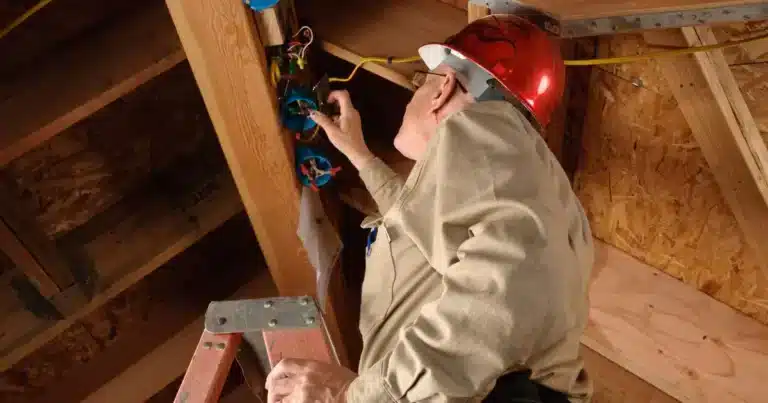

Our building inspection reports give Adelaide buyers a practical record of the property at the time of inspection. Significant defects, minor maintenance and potential safety concerns are clearly separated, helping you understand which issues require urgent action and which can be managed over time.
Alert Building Inspections Adelaide remains available to discuss the findings after delivery. Your report may help you negotiate the price, request repairs, seek specialist advice or step away from a property carrying unacceptable risk. Book your Adelaide building inspection early so you have enough time to review the findings before important finance or contract conditions expire.
Our building inspection services give Adelaide buyers reliable information backed by practical construction experience.
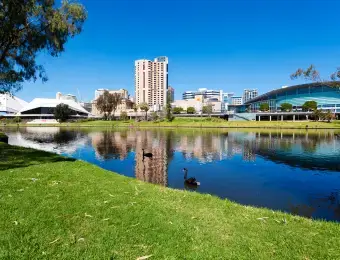
We offer building inspections across Australia — Sydney, Melbourne, Perth, Canberra, Tasmania and Darwin.
Adelaide locations include: Christies Beach, Craigmore, Davoren Park, Elizabeth, Glenelg, Golden Grove, Hallett Cove, Ingle Farm, Mawson Lakes and Morphett Vale.
Professional and Reliable Inspection reports to AS4349.1 reporting Standards
Same-day onsite testing with building inspection throughout Adelaide
On site or over the phone verbal overview for time critical decisions




Our pre-purchase building inspection and written report starts at $499 plus GST; a verbal building inspection report starts at $299 plus GST; meth testing starts at $279 plus GST; and pest inspection reports start at $599 plus GST. The main factors in the price are the property’s location and travel distance, along with its size, age, and construction. We quote a fixed price upfront, so there are no surprises. Send the property address through our contact form, and we will confirm your price and the earliest available time. Full details are on our services page, and our guide to building inspection costs explains what you are actually paying for.
Every pre-purchase inspection covers all safely accessible areas of the property:
Your inspector will also note any major defects, safety hazards, and items that need further investigation. Areas that cannot be safely accessed — such as a fully enclosed subfloor or a locked room — are clearly listed as limitations in the report. Every inspection follows the Australian Standard for pre-purchase inspections, AS 4349.1-2007. For a walkthrough of the appointment itself, see what to expect during a pre-purchase building inspection.
Your report will be clear, photographic and easy to act on. Findings are grouped into major defects, minor defects, and maintenance items, and each is illustrated with photos so you can see exactly what was found. You get plain English rather than trade jargon, an honest summary, and practical recommendations on what needs attention and how urgent it is. We deliver reports within 24 to 48 hours of the inspection, and you are welcome to call your inspector to talk through anything. See Reading and Understanding Your Property Assessment Report.
A building inspection is a visual, non-invasive assessment of a property’s condition carried out by a trade-qualified inspector. It matters in Adelaide for two reasons: the city’s housing is unusually varied, ranging from nineteenth-century stone cottages to large new estates, and much of it sits on reactive clay soils that move with the seasons. That combination produces more footing-related cracking and more older-home damp than most Australian cities see. An inspection gives you the facts you need to negotiate a fairer price, ask for repairs, or walk away before a hidden problem becomes expensive.
Most residential inspections take between one and two hours, depending on the property’s size, age and construction, and how accessible the subfloor and roof space are. A large heritage home with a deep subfloor or a complex roof line can take longer — we would rather spend the time than rush a section. Your written report follows within 24 to 48 hours. If you need an answer sooner, before an auction or a deadline, ask us about a verbal report on the day.
Yes, and we encourage it. Attending gives you the chance to see the issues for yourself, ask questions on the spot, and understand how serious each one really is. If you cannot attend — because you are interstate, overseas, or simply short of time — your inspector will call you to go through the findings, and everything is documented in the report with photos.
Yes. New and recently built homes can still have defects, including incomplete work, work that does not meet the required standards, and problems that only appear after the first wet winter or the first summer of ground movement — which in Adelaide is a genuine concern on reactive clay. An inspection before settlement gives you the chance to have issues rectified while the work is still covered by the builder’s warranty, which is far cheaper than discovering them later. Our guide to planning your new home construction timeline in Australia shows where inspections fit into the build.
Yes — pre-purchase building inspections are our core service. We can carry it out before you make an offer (if the seller allows access) or after your offer is accepted, during your cooling-off or finance period. Timing matters: this is the window in which you can still renegotiate the price, make your offer conditional, or withdraw. See when to order a building inspection before you buy. A pre-listing inspection is the same inspection a seller orders before going to market, and we carry those out in Adelaide as well.
All of our inspectors are trade-qualified builders with hands-on construction experience, not just trained observers. That means they understand how a building is actually put together, and can tell the difference between a cosmetic crack and a structural problem — which matters more in Adelaide than in most cities, given how much footing movement the local soils produce. Every inspection follows the Australian Standard for pre-purchase inspections (AS 4349.1-2007), and all major banks accept our reports. You can meet them on our team page.
The most common findings are:
Our guide to common building defects found in Australian home inspections covers each of these in more detail.
Salt damp is the term used in South Australia for rising damp that carries dissolved salts up through masonry. As the moisture evaporates from the wall, the salts crystallise and attack the brick, mortar and render from the inside, so the damage often looks worse than the damp alone would suggest. It is common in older Adelaide homes, particularly where a damp-proof course was never installed or has long since failed, and it is one of the most expensive problems we find.
Tell-tale signs include a crumbling or drummy skirting line, a white bloom on the face of the brickwork, paint that blisters and lifts low on a wall, and mortar that has gone soft and sandy. That is why every inspection includes non-invasive moisture-meter testing around wet areas and other high-risk points, and where we find elevated readings, the report explains the likely source and what further investigation is needed.
Much of Adelaide is built on reactive clay soils. These clays swell when they get wet and shrink as they dry out, so the ground beneath a footing moves with the seasons. That repeated movement stresses the structure, and common symptoms include stepped cracking in brickwork, cracking at wall corners, doors and windows that no longer close cleanly, and uneven floors.
Cracking isn't automatically serious — its width, pattern, location, and whether it is old or still moving all matter — but it does need to be read properly. Where movement looks significant, we recommend a specialist structural engineer’s assessment rather than leaving you to guess. Our guide to structural movement in Australian homes explains how we assess it.
Yes. Solid double-brick construction behaves quite differently from the brick veneer common in most other capitals, and it is a distinctive feature of Adelaide housing. In solid double brick, there is no cavity to drain water away, so moisture that gets into the wall tends to stay there. That makes flashing detail, roof-to-wall and parapet junctions, and subfloor ventilation particularly important. Where a cavity does exist, blocked weep holes and mortar bridging will trap water in the outer leaf, and we check whether later render or repair work has bridged the cavity — a frequent and easily missed fault.
Yes, and they need an inspector who understands nineteenth-century construction. Adelaide’s early housing includes sandstone, limestone and rubble-stone cottages and solid-brick villas, often with suspended timber floors, lime mortar and little or no modern damp-proofing.
We focus most on rising damp and salt attack at the base of walls, deteriorated mortar and repointing done in hard cement, undersized or blocked subfloor ventilation, and timber stumps or bearers showing decay. We also look for alterations, because a renovation completed to a lower standard than the original building is one of the most common sources of trouble in older homes. See what older homes hide from buyers.
It can be, and it is one of the most commonly overlooked issues we find. Many older Adelaide homes sit on suspended timber floors with a shallow crawl space. If the subfloor vents have been blocked, buried under a raised garden bed, or painted shut, moisture accumulates under the floor and stays there — which is exactly the environment timber pests and fungal decay need. We check the condition and coverage of the vents, look for ponding or persistently damp soil beneath the floor, and report on the condition of the bearers, joists and stumps.
Yes — including Glenelg, Christies Beach and Hallett Cove, along with the rest of the coastal strip. Salt-laden air is hard on a building, so coastal inspections pay particular attention to corroded metal flashings, fixings, and lintels; salt attack on masonry and render; and the condition of balconies, roofing, and guttering. Coastal exposure also shortens the life of paint systems and sealants, so we flag where maintenance will be due sooner than it would inland — useful to know when you are budgeting for a property.
A building inspection looks for evidence of timber pest activity, but a dedicated pest inspection goes considerably further. Our pest inspection reports start from $599 plus GST and cover all accessible areas of the property for termites, borers and fungal decay, together with the conditions that attract them — damp subfloors, timber in contact with soil, and poor drainage.
Termite damage is often hidden behind wall linings and under floors. So, a pest inspection alongside your building inspection gives you the most complete picture of the property before you buy. In older Adelaide homes, we focus on subfloor timbers, fence lines, and landscaping timbers. See what a building and pest inspection covers, and the termite activity signs every Australian homeowner should know.
For urgent purchases, we can often inspect within 24 to 48 hours, and we deliver your written report within 24 to 48 hours of the inspection. If you are working to an auction, a finance deadline, or a cooling-off period, we can provide a verbal summary straight after the walkthrough so you don't have to wait for the written report to make a decision. Tell us the deadline when you get in touch, and we will confirm whether we can meet it before you commit.
We inspect properties right across the Adelaide metropolitan area and the surrounding districts. Suburbs with their own dedicated pages include Christies Beach, Craigmore, Davoren Park, Elizabeth, Glenelg, Golden Grove, Hallett Cove, Ingle Farm, Mawson Lakes and Morphett Vale. If your suburb isn't listed, send through your address, and we will confirm straight away. We also inspect throughout Australia, with locally based, trade-qualified inspectors in Sydney, Melbourne, Perth, Canberra, Darwin, Palmerston and Tasmania.
The report gives you the facts you need to decide, rather than a recommendation to walk away. Depending on what is found and how the property is priced, buyers commonly use a report to negotiate a lower price, ask the vendor to complete repairs before settlement, obtain a specialist assessment, or withdraw if the risk is unacceptable. Your rights to withdraw depend on the conditions in your contract, so seek legal advice before acting on that option. Our inspectors remain available to talk through the findings after delivery — a report is only useful if you understand it.

Copyright © 2016- Alert Building Inspections