
An on-site or over-the-phone verbal overview for time-critical decisions. Useful when you need an answer before an auction, a deadline, or a multi-offer situation.
Pre-purchase inspections occur before you make an offer or after acceptance, giving you crucial information about the property’s condition before you finalise your investment.
Same-day on-site meth screening at your property. You'll know whether contamination is present before you commit to the purchase.
A pest inspection checks accessible areas of an Australian property for termites, borers, fungal decay and conditions that attract timber pests.
Howrah is a mid-century eastern shore suburb that developed primarily from the 1960s onward, following its gazettal as a locality in 1963. The housing stock is more uniform in age than neighbouring Bellerive — dominated by brick veneer and weatherboard homes from the 1960s through the 1980s, with pockets of earlier rural properties, later infill dwellings, and contemporary builds on subdivided lots along the coastal strip. What Howrah lacks in architectural diversity across eras, it makes up for in a consistent set of inspection themes tied to coastal proximity, slope, and the way mid-century building standards interact with a challenging environment.
Roof condition is a first-line concern across Howrah's mid-century stock. The original roofing on 1960s and 1970s homes — concrete tile or corrugated metal — has had 50 to 60 years of exposure to salt-laden winds off the Derwent estuary, and material fatigue is common. We regularly find corrosion at metal sheet fasteners and flashings, perished bedding and pointing on tile ridge cappings, and accumulation of valley debris from the mature garden and street tree canopies. Roof drainage is another recurring theme: the original gutters were specified for their time, and their capacity is often inadequate for modern burst rainfall intensity, particularly where later extensions added roof area without upgrading the roof plumbing.
Subfloor performance in Howrah deserves careful attention, particularly on the sloping blocks that climb from the coastal strip toward the higher ground of the Clarence plains. Many homes were built on timber stumps or brick piers over unlined subfloor spaces, with the ground sloping away beneath the structure. Where subfloor vents are adequate on the high side but restricted on the low side by landscaping, additions, or enclosed decks, we find uneven moisture distribution that can produce localised decay in bearers and joists long before symptoms appear internally.
The underlying geology — dolerite-derived clay soils over Jurassic dolerite bedrock — adds variability: foundation conditions can change across a single property, and cut-and-fill sites on the steeper sections may show differential movement where fill consolidates differently from adjacent natural ground.
External wall condition follows predictable patterns. In weatherboard homes, paint failure on exposed coastal aspects, decay at bottom plates and around window openings, and corrosion at fixing points are common. In brick-veneer homes, we regularly find weepholes blocked by garden beds or raised paving, and stepped cracking in the brickwork where foundation movement in reactive soils has occurred.
The coastal salt load accelerates deterioration of exposed metal elements — flashings, balustrade fixings, and lintels — particularly on the eastern and northern elevations that face prevailing onshore weather.
The standout risk we flag most often in Howrah is the pairing of coastal moisture exposure and susceptibility to flash flooding with mid-century building standards that did not anticipate either the rainfall intensity or the coastal erosion and storm-surge pressures the suburb now faces.
Howrah Beach and the low-lying areas immediately behind the dune alignment are identified by the SES as flash flood zones, particularly where heavy rain coincides with high tide. When a mid-century home on a coastal slope with reactive soils has been progressively altered without upgrading its roof drainage, subfloor ventilation, or site stormwater management, the defect profile tends to compound rather than stabilise.
+
+
24-48 Hour Report Delivery Guaranteed
Looking for a Building Inspector in Howrah? Our trade-qualified inspectors provide thorough building reports within 24-48 hours, combining speed with meticulous attention to detail.
Our building inspection service is perfect for time-sensitive property purchases. Each inspector carries professional indemnity insurance and brings deep knowledge of your local market and common building challenges. All inspections comply with AS 4349.1-2007 standards for comprehensive, reliable assessments.
Property buyers rely on our inspection expertise for accurate, actionable assessments. Every report delivers a complete structural evaluation, weather-tightness analysis, and maintenance requirements—giving you the information you need to make confident purchasing decisions on schedule.

Investing in property is a major financial commitment—a Pre Purchase Building Inspection protects that investment. Our comprehensive reports are prepared by inspectors with extensive knowledge and experience of the local market.
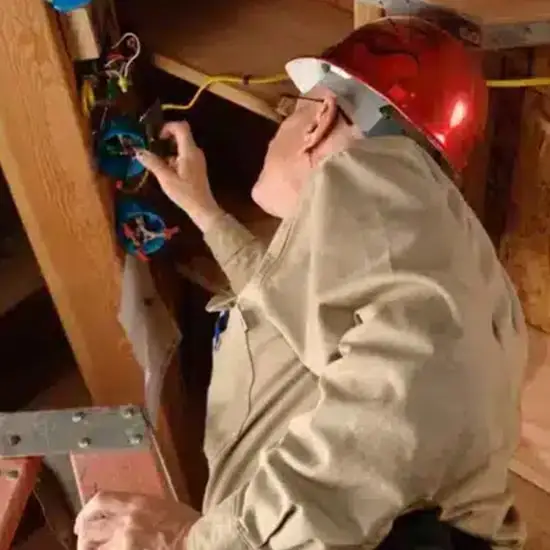
Pre Purchase Building Inspections go beyond basic assessments. Each property receives a thorough evaluation from the foundation through the roof structure. Our trade-qualified inspectors assess structural components, weathertightness systems, electrical installations, and plumbing infrastructure in accordance with AS 4349.1-2007.
Schedule your Pre-Purchase Building Inspection to receive your report within 24-48 hours. Every report includes moisture testing results, structural analysis, and detailed documentation to support confident property negotiations.
Professional and Reliable Inspection reports to AS4349.1 reporting Standards
Same-day onsite testing with your building inspection in all suburbs
On site or over the phone verbal overview for time critical decisions




Howrah occupies a distinctive position among Hobart's eastern shore suburbs. It was never a colonial-era centre like Bellerive or an industrial powerhouse like Glenorchy — it was a quiet coastal strip with 19th-century farm properties that became a suburban residential area during the post-war boom. What makes Howrah different is the convergence of coastal hazard exposure, mid-century development patterns, and Clarence Council's planning framework for managing these risks.
Howrah has been identified by the SES and independent climate risk analysis as one of Tasmania's most exposed suburbs for coastal hazards. A CoreLogic assessment ranked Howrah among the top five Tasmanian suburbs at risk from storm surge and erosion within 30 years. Clarence Council applies the Coastal Erosion Hazard Code and the Flood-Prone Areas Hazard Code to affected zones, and properties near Howrah Beach sit within areas mapped for inundation and erosion.
The SES identifies Howrah Beach as a known flash flooding location, with the area behind the dunes vulnerable during intense rainfall when high tide coincides. The 1953 and 2011 events affected properties in this zone. Unlike riverine flooding, flash flooding behind the dune line can occur with little notice.
For inspections, stormwater management, ground levels, and drainage infrastructure around a Howrah property deserve specific attention. Properties in the coastal hazard band may be subject to planning controls affecting extensions.
Howrah's housing stock developed rapidly after the 1960s, and the homes share a consistent profile. The dominant dwelling is the single-storey, three-bedroom brick-veneer or weatherboard home on a concrete slab or timber subfloor, with a concrete-tiled or metal roof, aluminium or timber windows, and a detached garage. These were built to standards that typically lack the subfloor ventilation, roof drainage capacity, and insulation levels specified today. Defect patterns repeat across the suburb: a pre-purchase finding of subfloor moisture issues in one 1960s home is likely to recur in neighbouring homes of the same era.
Howrah's topography rises from the coastal strip at sea level to around 80 metres on higher ground to the east. The salt exposure gradient is significant: homes within a few hundred metres of the beach experience persistent marine salt deposition, which accelerates corrosion of metal roofing, flashings, and gutters. Older aluminium window frames on exposed elevations show pitting and seal failure earlier than installations a few streets inland.
Example: 1970s brick veneer on a sloping block near Howrah Beach
We inspected a brick-veneer home on a sloping block, built in the early 1970s, approximately 200 metres from Howrah Beach. The roof was original concrete tile with visible weathering on the north-facing slope and several cracked tiles near the ridge. The subfloor showed elevated moisture readings of around 22 per cent in the joists on the downhill side, where a rear addition had enclosed the original subfloor vents.
The driveway sloped toward the house, discharging stormwater against the garage slab, and a garden bed had been built up above weep hole height. The SES mapping placed the property within the flash flood zone. The buyer factored subfloor ventilation upgrades, driveway drainage reconfiguration, and roof tile replacements into their settlement plan.

Copyright © 2016- Alert Building Inspections