Alert Building Inspections menu logo

Building Inspection Launceston

Launceston's Building Inspection Specialists
Trade-Qualified Inspectors
Reports within 24-48 hours!
Book Your Inspection Now
Services You require *

Our Working Process

01.

Book

Book your inspection with us by phoning or filling out the enquiry form on this page and we will aim have your booking confirmed within an hour.
02.

Confirm

We will confirm the booking time and location to ensure there is no delay or confusion.
03.

Inspect

A qualified building inspector will perform a high quality inspection ensuring all aspects are checked.
04.

Report

Your report will be generated and sent to you via email within 24-48hrs of the inspection.
BUILDING INSPECTION SERVICES AND COSTS
VERBAL BUILDING INSPECTION REPORT

From

$299

Plus GST

On site or over the phone verbal overview for time critical decisions.
PRE-PURCHASE BUILDING INSPECTION

From

$499

Plus GST

Pre-purchase inspections occur before making an offer or after acceptance, giving you crucial information about the property’s condition before finalising your investment.
METH
TESTING

From

$279

Plus GST

We provide an on-site same day Meth test on your property so you can be reassured the property is free of toxic and harmful meth contamination.
Safe and Sanitary
Report

From

$599

Plus GST

Safe and sanitary report to meet council requirements for letter of acceptance on unpermitted renovations and alterations.

Builders Report Launceston

What Our Inspectors Typically Find

Launceston is Tasmania's second city and its oldest inland settlement, established at the confluence of the North Esk, South Esk, and Tamar Rivers in 1806. The building stock reflects a long history — from early wattle-and-daub and brick colonial structures through late Victorian and Federation-era architecture, inter-war Californian bungalows and Art Deco buildings, war service homes, post-war public housing estates, and contemporary infill. What makes Launceston distinct from Hobart is the combination of floodplain hydrology, Tertiary basin geology, and a building tradition that relied more on brick and timber than stone.

Foundation movement is the most significant recurring theme across Launceston's older housing stock. The city sits within the Tamar Trough, a geological basin filled with Tertiary sediments — clays, sands, and gravels — that are markedly different from the dolerite bedrock underlying Hobart. These sediments are variable over short distances, and foundation conditions can shift from stable sand to highly reactive clay within the footprint of a single house.

Subsidence is well documented across Invermay, Newstead, Kings Meadows, Ravenswood, and Trevallyn, driven by moisture changes in reactive clay, poorly compacted fill, leaking pipes, and tree root activity. We regularly see stepped cracking in brickwork, sloping floors, and doors and windows that bind seasonally — symptoms that sellers attribute to "settling" but that in Launceston are usually ongoing and related to the specific soil conditions beneath that particular site.

Roof condition follows age-based patterns. On Victorian- and Federation-era brick-and-timber homes in the inner suburbs and city centre, the original roofing is typically corrugated galvanised iron or terracotta tiles. After a century or more, we commonly find corroded sheeting and flashings on metal roofs, and slipped or cracked tiles with perished bedding and fatigued valley lines on tile roofs.

The war service homes in Newstead — Californian bungalow-style houses built after World War I — have terracotta tile roofs that have been patched multiple times. In the post-war public housing stock at Ravenswood, Mayfield, and Waverley, roof plumbing was specified to a budget and is commonly original or incrementally maintained, with corrosion in box gutters and valley lines a predictable finding.

Subfloor conditions in Launceston's older homes reflect both the sloping terrain of suburbs like Trevallyn and Punchbowl and the flat floodplain ground of Invermay and the city centre. On sloping sites, inadequate ventilation on the downhill side and cut-and-fill construction produce localised moisture and differential movement. On the floodplain, subfloor spaces can be damp due to a high water table, and the combination of ground moisture and reactive clay beneath unlined subfloor environments creates conditions in which timber decay progresses without visible internal symptoms until well advanced.

The standout risk we flag most often in Launceston is the interaction among the city's complex Tertiary geology, its floodplain location, and a building stock constructed to standards that did not anticipate subsurface variability or the flood risk revealed by modern mapping. A house on reactive clay in a flood-influenced area with original subfloor ventilation and roof drainage will behave predictably only as long as the ground moisture remains stable — and in Launceston, ground moisture is anything but stable.

+

YEARS COMBINED EXPERIENCE

+

COMPLETED INSPECTIONS

BUILDING INSPECTOR LAUNCESTON

24-48 Hour Report Delivery Guaranteed

Looking for a Building Inspector in Launceston? Our trade-qualified inspectors provide thorough building reports within 24-48 hours, combining speed with meticulous attention to detail.

Our building inspection service is perfect for time-sensitive property purchases. Each inspector carries professional indemnity insurance and brings deep knowledge of your local market and common building challenges. All inspections comply with AS 4349.1-2007 standards for comprehensive, reliable assessments.

Property buyers rely on our inspection expertise for accurate, actionable assessments. Every report delivers a complete structural evaluation, weather-tightness analysis, and maintenance requirements—giving you the information you need to make confident purchasing decisions on schedule.
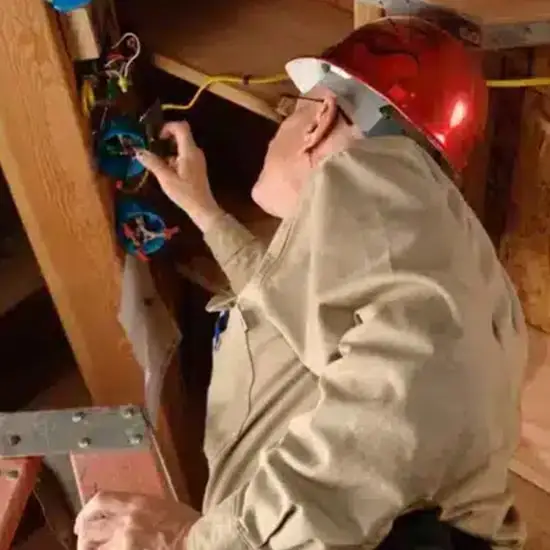

building inspector location page
Pre Purchase Building Inspection

PRE PURCHASE BUILDING INSPECTION LAUNCESTON

Investing in property is a major financial commitment—a Pre Purchase Building Inspection protects that investment. Our comprehensive reports are prepared by inspectors with extensive knowledge and experience of the local market.

Pre Purchase Building Inspections go beyond basic assessments. Each property receives a thorough evaluation from the foundation through the roof structure. Our trade-qualified inspectors assess structural components, weathertightness systems, electrical installations, and plumbing infrastructure in accordance with AS 4349.1-2007.

Schedule your Pre-Purchase Building Inspection to receive your report within 24-48 hours. Every report includes moisture testing results, structural analysis, and detailed documentation to support confident property negotiations.

WRITTEN BUILDING INSPECTION

Professional and Reliable Inspection reports to AS4349.1 reporting Standards

METH TESTING

Same-day onsite testing with your building inspection in all suburbs

VERBAL BUILDING INSPECTION

On site or over the phone verbal overview for time critical decisions

Qualified Inspectors icon
QUALIFIED INSPECTORS
Bank approved icon
BANK APPROVED
Full Indemnity Insurance icon
FULL INDEMNITY INSURANCE
Fast turnaround icon
FAST TURNAROUND

Launceston's Unique Building Challenges

Launceston's position at the confluence of three major river systems, its geology of unconsolidated Tertiary sediments, and its building traditions — shaped by a lack of good building stone — create an inspection landscape specific to northern Tasmania.

Flood risk and the levee system

The 1929 flood — the worst on record — inundated 1,000 homes, evacuated 4,000 people, and prompted the construction of the 1960s levee system, which was upgraded from 2010 to 2014 to protect against the 200-year ARI event for much of the city centre, Invermay, and East Launceston. Thirty-six significant floods have occurred since settlement.

The levees do not eliminate risk. The June 2016 flood inundated unprotected homes at Newstead, St Leonards, and Nunamara.

For inspections, the key questions are whether a property lies within the levee-protected area and what floor levels were set. Properties in Invermay and other low-lying areas may be subject to minimum habitable floor heights.

Tertiary geology and foundation variability

Unlike Hobart, which sits on Jurassic dolerite, Launceston sits on Tertiary sediments — clays, sands, silts, and gravels — in the Tamar Trough. These are laterally variable, poorly consolidated, and moisture-responsive. Local practitioners estimate that 30 to 50 per cent of Tasmanian building sites may be Class P under AS 2870, indicating sensitive conditions.

The practical consequence: a house stable for decades can crack when moisture changes — a leaking pipe saturating clay beneath a corner, or tree removal causing uneven rehydration. A single alteration — paving that concentrates runoff, a garden bed that raises ground level, or a soakaway too close to footings — can trigger movement in stable soils.

War service homes, post-war estates, and the building tradition

The war service homes in Newstead — 36 Californian bungalow-style houses built after World War I — form a precinct of early welfare housing. These are weatherboard or brick homes with terracotta tile roofs. Defects are predictable: ageing roof, plumbing, poorly ventilated subfloors, and cladding fatigue.

The post-war public housing at Ravenswood, Mayfield, Treherne, and Waverley was built under the Commonwealth-State Housing Agreement from the 1950s to the 1970s. Like equivalent estates in Glenorchy, these were built to a budget on available land. The typical dwelling is a three-bedroom brick veneer or weatherboard home on a concrete slab or timber subfloor. Defect patterns repeat, and original specifications typically lack modern subfloor ventilation, roof drainage, and insulation.

Launceston also has a Depression-era tradition of vertical timber construction — modest homes from the 1930s when materials were scarce — concentrated in older working-class areas. When well-maintained, they have performed adequately for nearly a century.

Recent Inspection Examples

Example: Brick veneer home in Newstead

We inspected a 1960s brick veneer home on a level block in Newstead. The western brickwork showed stepped cracking from the window sill to the eaves — consistent with foundation movement. A concrete path and garden bed had raised ground levels, and a downpipe discharged without a pit. Subfloor joists showed elevated moisture with no vapour barrier. Flood mapping placed the property outside the levee-protected zone but in an overland flow area. The buyer was advised to engage a structural engineer and budget for drainage and subfloor ventilation.

In Launceston, inspection value comes from understanding the interplay between Tertiary geology, flood history, and the construction era. The outlook is managing known risks rather than surprises.

Frequently Asked Questions

Our comprehensive building inspection and the report start from $299, and can go higher depending on the size and nature of the property. The key factor in determining price of your building inspection is your address, so you’ll know upfront the cost you’re looking at.

Our building inspectors will perform a complete building inspection that looks at:

  • Above the floor, i.e. inside the property, including wall linings, windows and doors, hardware, floors, bathroom fixtures, fittings, tiled areas, kitchen, cabinetry and any waterproofing issues

  • Sub-floor (if accessible), including foundations, ventilation, pipe-work

  • Ceilings, including walls, roof and roof space, roof framing, wiring and other electrical items.

  • Plumbing

  • Outside the property, including exterior cladding, door and window frames, garages, fences, paving, drives, decking, etc.

  • Thorough moisture testing is carried out throughout the house. We check all windows, doors, bathrooms, and other potential moisture-penetration areas around the exterior of the house.

  1. Comprehensive Building Inspection Details:
    Our building inspection report covers all accessible areas of the property, including the interior, exterior, roof, subfloor, and other structural elements.

  2. Clear and Easy-to-Understand Language in your Building Inspection Report:
    We use simple, non-technical language, ensuring the building inspection report you receive is clear and understandable for homeowners, buyers, and real estate agents alike.

  3. Identification of Property Defects:
    The building inspection report highlights any visible defects, maintenance issues, or areas of concern, such as leaks, dampness, or structural integrity problems.

  4. Photos and Supporting Evidence:
    Our building reports include high-quality photos to provide a visual context for any issues or areas requiring attention.

  5. Recommendations:
    Practical advice on repairs, maintenance, or further inspections is provided to help you make informed decisions.

  6. Building Reports with a Fast Turnaround Time:
    You’ll receive your report within 24-48 hours after the inspection, depending on your location.
  7. Verbal and Written Summaries:
    If requested, we offer a verbal summary immediately after the inspection, followed by a detailed written report.

  8. Tailored Insights for Buyers and Sellers:
    Whether you’re buying or selling, our reports provide tailored insights to guide negotiations or improve property presentation.

If you have specific concerns about your property, feel free to discuss them with us before the inspection!

A building inspection is a detailed examination of a property’s condition, conducted by a qualified inspector. It is crucial in Australia due to the diverse property types, weather conditions, and common issues such as dampness and structural movement.

Most building inspections take 2-3 hours, depending on the property size and condition.

Yes, even new builds can have hidden defects or incomplete work. A professional building inspection conducted by our building inspectors provides peace of mind and identifies potential issues before settlement.

Absolutely! We encourage clients to attend their building inspection to gain firsthand insights and ask questions directly to our inspectors.

Typical issues while conducting a building inspection include:

  • Leaky buildings

  • Rotting timber

  • Structural cracks

  • Poor insulation

  • Moisture and dampness

Yes, our pre-purchase building inspections help buyers make informed decisions and avoid costly surprises after purchase.

Yes, our building inspectors are fully qualified and experienced in all local building standards, ensuring accurate and reliable reports.

A building inspection is for buyers assessing a property’s condition, while a pre-listing inspection is for sellers preparing their property for sale. Both services are available throughout Australia.

Yes, our inspections include moisture testing, especially crucial in Australia, where leaky buildings are a known issue.

Looking for building inspection services? Alert Building Inspections provides detailed building reports within 24-48 hours, conducted by trade-qualified inspectors who understand the local property market and common building issues. We follow the Australia Standard for Property Inspections (AS 4349.1-2007) and serve locations throughout Australia.

The best building inspection services in Australia share several key characteristics: trade-qualified inspectors with current licensing, adherence to the AS 4349.1-2007 Property Inspection Standard, comprehensive indemnity insurance, and the ability to deliver detailed reports within 24-48 hours. Top-tier services employ inspectors who are Licensed Building Practitioners with extensive field experience in both residential and commercial construction. They provide thorough moisture testing (critical in Australia's climate), detailed photographic evidence, and clear recommendations that help you make informed decisions. Alert Building Inspections meets all these criteria with trade-qualified inspectors across eight major locations, full indemnity insurance, and reports accepted by all major banks. Our inspectors have over 150 years of combined building experience, ensuring you receive expert analysis of structural integrity, weathertightness, and potential maintenance issues.

When looking for reliable building inspectors nationwide, focus on three critical factors: professional qualifications (trade qualifications and Licensed Building Practitioner status), local market knowledge in your specific region, and a proven track record with comprehensive insurance coverage. Reliable inspectors should be able to identify region-specific issues, such as earthquake considerations, coastal weather exposure, or clay soil movement. They should also maintain professional standards consistently across all locations. Alert Building Inspections operates throughout Australia, with each location staffed by locally-based, trade-qualified inspectors who understand the specific building challenges in their region. All our inspectors follow the same rigorous inspection protocols and reporting standards, ensuring consistent quality whether you're purchasing in Darwin or Hobart.

Top property inspection services distinguish themselves through comprehensive coverage that goes beyond basic visual checks. They conduct thorough assessments of foundations, sub-floor areas, roof spaces, exterior cladding, moisture levels, plumbing systems, and structural components. Leading services provide multiple inspection options, including full written reports for major purchase decisions, verbal reports for time-critical situations, and specialised testing such as methamphetamine contamination screening. They should also offer fast turnaround times without compromising thoroughness. Alert Building Inspections provides all these services across our nationwide network, with inspections starting from $299 for verbal reports and $499 for comprehensive pre-purchase inspections. Our reports include detailed photographs, specific defect identification, and prioritised recommendations. We also offer same-day methamphetamine testing and Safe and Sanitary reports for council requirements, giving you complete property assessment options under one roof.

The best home inspection services combine technical expertise with practical buyer advocacy. Inspectors should be trade-qualified builders, not just trained observers, so they can identify issues that less experienced inspectors might miss. Services should include a detailed foundation assessment, a thorough roof and roof space inspection, a comprehensive moisture analysis, an evaluation of weathertightness systems, and the identification of non-permitted alterations or construction that do not meet building standards. Top services also maintain up-to-date knowledge of common defects in different housing eras, from leaky building syndrome in the 1990s-2000s construction to weatherboard maintenance issues in older homes. Alert Building Inspections employs only trade-qualified builders who bring decades of hands-on construction experience to every inspection. We understand how homes are built, how they age, and what commonly fails in different Australian climates and soil conditions. Our inspectors have worked across residential and commercial construction, giving them the expertise to identify structural concerns, weatherproofing failures, and maintenance issues that could cost you tens of thousands of dollars if left undetected.

We offer building inspections across Australia — Sydney, Melbourne, Perth, Adelaide, Canberra, Tasmania and Darwin.

Tasmania locations include:BelleriveGlenorchyHobartHowrah and Newstead.

Copyright © 2016 Alert Building Inspections