
Planning Your New Home Construction Timeline in Australia
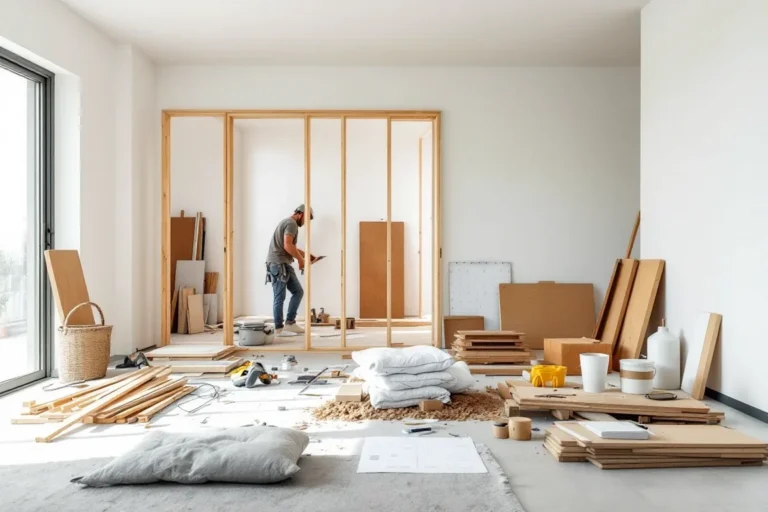
Planning Your New Home Construction Timeline in Australia
You’ve bought your block of land, chosen your builder, and finalised your house plans. The excitement is building, but now comes the waiting game. How long will it actually take to build your new home?
The answer isn’t straightforward. Australian home construction timelines vary dramatically based on factors like design complexity, weather conditions, material availability, and local council processes. Understanding these variables helps set realistic expectations and prevents disappointment down the track.
Most standard project homes take between 16 to 20 weeks from groundwork to handover, but this can stretch to 12 months or more for custom designs. Let’s break down what influences these timeframes and what you can expect at each stage.
Pre Construction Phase: The Foundation of Good Planning
Before your builder breaks ground, several administrative hurdles must be cleared. This preparatory phase often takes longer than anticipated and can significantly impact your overall timeline.
Council approvals represent the first major milestone. Development applications typically take 4 to 8 weeks to process, though complex designs or heritage areas may require additional time. Your builder should factor this into their initial timeline estimates.
Site preparation follows approval, involving soil testing, surveys, and utility connections. Rocky terrain, poor drainage, or contaminated soil can add weeks to this phase. Managing Director Morgan Kircher brings over two decades of building expertise to Alert Building Inspections, and he’s seen projects delayed months due to unexpected ground conditions that weren’t identified during initial site assessments.
Weather and Seasonal Considerations Across Australia
Australia’s diverse climate zones create unique challenges for construction scheduling. Northern regions face monsoon seasons, southern areas deal with winter rains, and extreme heat affects work safety across the continent.
Sydney and Melbourne builders often plan around winter months when rain can halt concrete pours and delay roofing work. Perth’s hot, dry summers create different constraints, with extreme temperatures limiting working hours and affecting material handling.
Adelaide’s variable weather patterns require flexible scheduling, while Canberra’s harsh winters can extend construction timelines by several weeks. Tasmania faces additional challenges with material transportation, and Darwin’s tropical climate demands careful timing around the wet season.
Experienced builders build weather buffers into their schedules, but unexpected storms or extended heat waves can still push completion dates back significantly.
Material Supply Chain Factors
Recent global events have highlighted how vulnerable construction timelines are to supply chain disruptions. Materials that were once readily available can suddenly become scarce, creating project delays.
Standard materials like timber framing, bricks, and roofing tiles generally maintain steady supply, but specialised items require longer lead times. Custom windows, imported fixtures, and engineered products may take 12 to 16 weeks to arrive.
Smart planning involves ordering long lead time items early in the process. Your builder should provide a materials schedule showing when each component needs to arrive on site. Delays in critical path items like structural steel or trusses can halt progress completely.
Construction Phases and Realistic Timeframes
The actual building process follows a logical sequence, with each trade depending on completion of previous stages. Understanding this flow helps explain why delays compound throughout the project.
Foundation and slab work typically takes 2 to 3 weeks, including curing time. Frame construction follows, requiring another 2 to 4 weeks depending on house size and complexity. Single storey homes progress faster than multi level designs.
Roofing installation marks a significant milestone, usually completed within a week of frame completion. This stage makes the structure weatherproof, allowing interior trades to commence regardless of conditions outside.
Electrical and plumbing rough ins occur simultaneously, taking 1 to 2 weeks. These trades must coordinate carefully to avoid conflicts, particularly in areas where services converge like bathrooms and kitchens.
Insulation and plasterboard installation require another 2 to 3 weeks, followed by painting which can take up to 2 weeks for larger homes. Floor coverings, kitchen installation, and final fixtures typically consume the final 3 to 4 weeks.

Common Delay Factors and How to Minimise Them
Weather represents the most unpredictable variable, but several other factors commonly extend construction timelines. Design changes during construction almost always cause delays, as they require new approvals and material reordering.
Trade availability can create bottlenecks, particularly for specialised work like tiling or cabinetry. Quality builders maintain relationships with reliable subcontractors, but busy periods can still create scheduling conflicts.
Council inspections represent mandatory checkpoints that can slow progress if failed. Common issues include incorrect heights, missing fixtures, or incomplete documentation. Our team’s 150 years of combined industry experience shows that proper preparation prevents most inspection failures.
Quality vs Speed: Finding the Right Balance
While everyone wants their home completed quickly, rushing construction often creates problems that are expensive to fix later. Quality builders understand that some processes simply cannot be hurried.
Concrete needs adequate curing time regardless of schedule pressure. Paint requires proper drying between coats. Shortcuts in these areas create defects that may not appear until after handover.
The building codes exist to ensure safety and durability, but they also influence construction sequencing. Inspections cannot be skipped or rushed, and failed inspections require corrective work before proceeding.
Regional Variations in Construction Timing
Different Australian regions face unique challenges that affect construction timelines. Understanding local factors helps set appropriate expectations for your area.
Sydney’s high density development creates logistical challenges with material deliveries and waste removal. Narrow streets and limited parking can slow progress compared to suburban areas with easier access.
Melbourne’s unpredictable weather requires more flexible scheduling, while Perth’s isolation from eastern manufacturers can extend material lead times. Adelaide’s smaller market may have fewer trade options, potentially affecting availability.
Canberra’s government dominated economy creates seasonal variations in construction activity, while Tasmania’s island location adds shipping time for materials. Darwin’s unique climate constraints require careful timing around monsoon seasons.
Managing Expectations and Staying Informed
Regular communication with your builder helps manage expectations and identify potential delays early. Weekly progress meetings provide opportunities to discuss upcoming work and potential obstacles.
Document everything with photos and notes. This creates a record of progress and helps identify when delays occur. Understanding the critical path items helps you focus on the factors that most significantly impact completion timing.
Professional inspections at key stages can identify issues before they become major problems. Early detection of defects or non conforming work prevents costly remedial work later in the process.
Planning for the Unexpected
Even the best planned construction projects face unexpected challenges. Building contingency time into your expectations prevents disappointment when delays occur.
Most experienced builders add 10 to 20 percent buffer time to their initial estimates. This accounts for minor weather delays, material hiccups, and small design adjustments that inevitably arise during construction.
Financial planning should also include contingencies for potential cost overruns associated with delays. Extended construction loans and temporary accommodation costs can add significant expense to your project budget.
Planning Your New Home Construction Timeline in Australia
Building a new home represents a significant investment in time, money, and emotional energy. Realistic timeline planning based on your specific circumstances, location, and design complexity sets the foundation for a successful project. With proper preparation and professional guidance, you can track progress confidently while maintaining realistic expectations throughout the construction journey.
Related Articles
- Termite Activity Signs Every Australian Homeowner Should Know
- Understanding Moisture Detection During Property Assessments
- Reading and Understanding Your Property Assessment Report
- Asbestos in Australian Homes: Identification and Safety Guide

Alert Building Inspections – Australia
Alert Building Inspections provides professional building reports throughout Australia, delivered within 24-48 hours. Ready to protect your property investment?
Book an inspection | View our services | Read more property advice
