Termite Activity Signs Every Australian Homeowner Should Know
Termite Activity Signs Every Australian Homeowner Should Know
Picture walking into your lounge room one morning and noticing tiny mud trails along the skirting boards. Or perhaps you’ve spotted what looks like sawdust near your wooden deck posts. These seemingly minor details could be early warning signs of termite activity – one of the most destructive forces that can affect Australian homes.
Termites cause billions of dollars in damage across Australia each year, often going undetected until significant structural harm has already occurred. Unlike fires or floods, termite damage typically isn’t covered by standard home insurance policies, making early detection absolutely crucial for protecting your investment.
Understanding Australia’s Termite Species
Australia hosts over 300 termite species, though only about 20 pose serious threats to residential properties. Subterranean termites are the most destructive, living in underground colonies and building mud tubes to access timber above ground. These industrious insects can travel up to 100 metres from their nest to reach food sources.
Drywood termites present a different challenge, living directly within the timber they consume. While less common than their subterranean cousins, they can still cause significant damage, particularly in coastal areas where humidity levels support their colonies.
Visual Evidence of Termite Presence
Mud tubes represent one of the most obvious signs of termite activity. These pencil-thick tunnels typically appear along foundation walls, wooden posts, or even across concrete surfaces. Termites construct these protective highways from soil, saliva, and faecal matter to maintain the humid conditions they need while travelling between their colony and food sources.
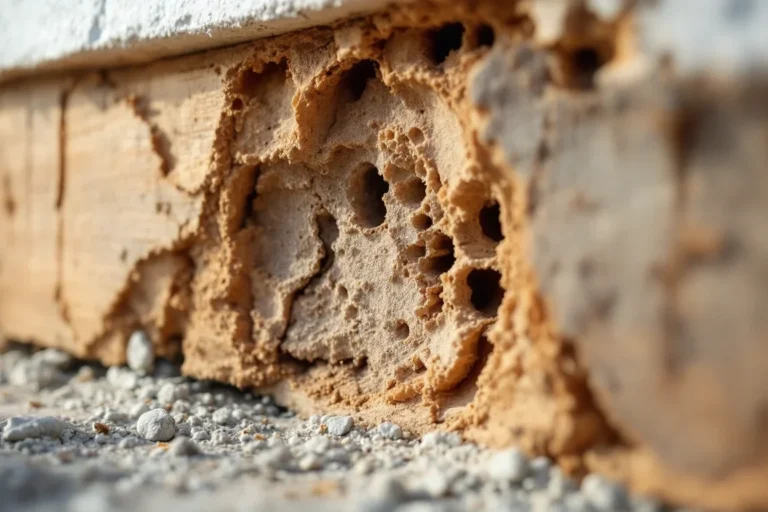
Damaged timber often sounds hollow when tapped, as termites consume wood from the inside out while leaving thin outer layers intact. You might notice timber that feels soft or spongy when pressed, or discover small holes where termites have broken through surface layers.
Frass, or termite droppings, appears as small pellets near affected timber. Drywood termites push these waste products out of their galleries through tiny holes, creating small piles that homeowners sometimes mistake for sawdust or coffee grounds.
Seasonal Activity Patterns
Spring and summer bring increased termite activity across most of Australia. Warmer temperatures and higher humidity create ideal conditions for colony expansion and reproduction. During these months, you might notice flying termites around outdoor lighting or windowsills – these are reproductive termites seeking to establish new colonies.
Post-rain periods often trigger heightened activity, particularly for subterranean species that require moisture to survive. After significant rainfall, check around your property’s perimeter for fresh mud tube construction or soil disturbance that might indicate termite movement.
Regional Variations Across Australia
Sydney and Melbourne’s temperate climates support year-round termite activity, with peak seasons extending from October through March. The region’s mix of older timber homes and new construction provides abundant food sources for various termite species.
Perth’s Mediterranean climate creates ideal conditions for both subterranean and drywood termites. The city’s sandy soils allow easy tunnel construction, while coastal humidity supports colony development. Western Australian homes often face pressure from multiple termite species simultaneously.
Adelaide’s variable climate patterns mean termite activity can fluctuate significantly between seasons. The region’s limestone geology can influence termite behaviour, as these insects often use natural rock formations as highways between food sources.
Canberra’s colder winters typically reduce termite activity, but warmer months can bring intense pressure from species that have built up populations during dormant periods. The city’s elevation and temperature variations create unique challenges for both termites and homeowners.
Tasmania’s cooler climate generally reduces termite pressure compared to mainland Australia, though certain species remain active, particularly in northern coastal areas where temperatures stay milder year-round.
Darwin’s tropical climate creates perfect conditions for aggressive termite species that remain active throughout the year. The combination of high humidity, consistent temperatures, and monsoonal rains can lead to rapid colony growth and widespread activity.
Environmental Factors That Attract Termites
Moisture represents the primary attractant for most termite species. Leaking taps, poor drainage, blocked gutters, and inadequate ventilation create the humid conditions termites need to survive above ground. Even minor plumbing issues can draw colonies toward your home’s structure.
Timber-to-ground contact provides direct access routes for subterranean termites. Wooden decking posts, garden borders, stored firewood, or landscaping timbers that touch soil eliminate the need for termites to construct exposed mud tubes, making detection more difficult.
Garden mulch, while beneficial for plants, can harbour termite activity when placed too close to buildings. Organic mulches retain moisture and provide food sources that support termite populations near your home’s foundation.
Professional Detection Methods
Managing Director Morgan Kircher brings over two decades of building expertise to termite detection, recognising that early identification often requires trained eyes and specialised equipment. Our team’s 150 years of combined industry experience has taught us that homeowners typically notice only the most obvious signs of termite activity.
Modern detection technology includes moisture metres that identify unexplained humidity spikes within timber, infrared cameras that reveal temperature variations caused by termite activity, and acoustic equipment that can detect the subtle sounds of active feeding within wall cavities.
Professional assessment goes beyond visible signs to examine conducive conditions around your property. This includes evaluating drainage patterns, identifying potential moisture sources, and assessing structural vulnerabilities that might attract termite attention.

Taking Action When Signs Are Detected
If you discover potential termite signs, avoid disturbing the area unnecessarily. Termites are sensitive to vibration and environmental changes, and excessive disturbance might cause them to abandon visible areas and relocate to hidden parts of your property where detection becomes more difficult.
Document your findings with photographs and notes about location, size, and timing of discovery. This information helps professionals assess the scope and urgency of potential termite activity during evaluation visits.
Contact specialists promptly, as termite damage can progress rapidly once colonies become established. While termites won’t destroy a house overnight, delays in addressing active infestations often result in more extensive damage and higher treatment costs.
Prevention Through Awareness
Regular property monitoring forms the foundation of effective termite prevention. Monthly walks around your home’s perimeter, paying attention to foundation areas, timber structures, and landscaping features, can help identify problems before they become serious.
Maintain proper drainage to eliminate excess moisture around your home’s foundation. Clean gutters regularly, repair leaking taps promptly, and ensure adequate ventilation in subfloor areas and roof spaces where humidity can accumulate.
Remove potential termite attractants from around your property. Store firewood away from buildings, eliminate timber-to-ground contact where possible, and maintain appropriate clearances between garden beds and your home’s structure.
The Value of Professional Assessment
Property assessment provides peace of mind for homeowners concerned about potential termite activity. Professional evaluation can distinguish between active infestations, old damage, and conditions that might attract future problems, helping you make informed decisions about your property’s protection.
During assessment visits, specialists examine not just obvious problem areas but also subtle indicators that homeowners might overlook. This includes checking subfloor areas, roof voids, and other spaces where termite activity often begins before becoming visible in living areas.
Termite Activity Signs Every Australian Homeowner Should Know
Recognising early signs of termite activity gives Australian homeowners the best chance of protecting their properties from serious damage. While some indicators might seem minor, professional assessment can determine whether concerning signs represent active problems or simply conditions that warrant ongoing monitoring.
Related Articles
- Understanding Moisture Detection During Property Assessments
- Reading and Understanding Your Property Assessment Report
- Asbestos in Australian Homes: Identification and Safety Guide
- Understanding Structural Movement in Australian Homes

Alert Building Inspections – Australia
Alert Building Inspections provides professional building reports throughout Australia, delivered within 24-48 hours. Ready to protect your property investment?
Book an inspection | View our services | Read more property advice
