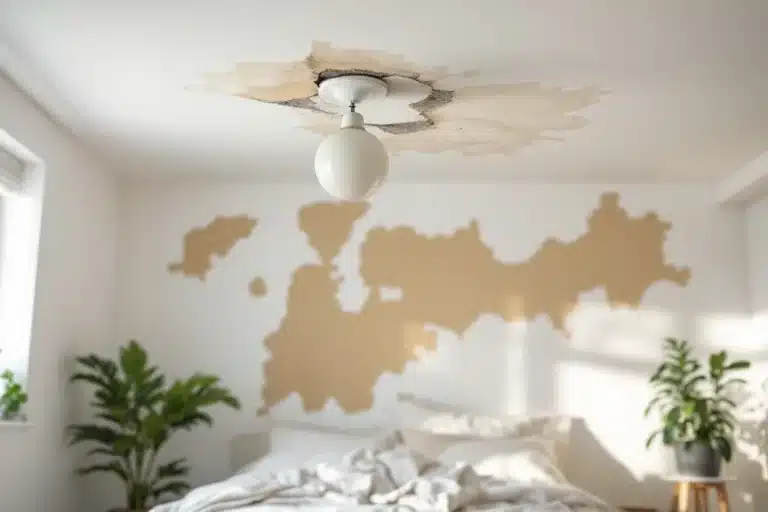
Sarah thought her Melbourne home was solid until the first heavy winter rain revealed water stains creeping across her bedroom ceiling. What started as a small discoloured patch quickly spread, leading to peeling paint and the unmistakable smell of dampness. Like many Australian homeowners, Sarah discovered that weathertightness issues don’t announce themselves until significant damage has already occurred.
Weathertightness refers to a building’s ability to prevent water penetration through its external envelope. This includes walls, roofs, windows, doors, and all the connecting elements that form your home’s protective barrier against the elements. When this barrier fails, water finds its way inside, creating problems that extend far beyond surface damage.
Understanding weathertightness becomes particularly critical for Australian property owners given our diverse climate conditions. From Darwin’s tropical downpours to Tasmania’s winter storms, Melbourne’s unpredictable weather patterns to Perth’s coastal salt spray, each region presents unique challenges that can compromise a building’s weather protection over time.
Windows and doors represent the most frequent entry points for water infiltration. Poor installation, deteriorated seals, or inadequate flashing around these openings create pathways for moisture. In coastal areas like Perth and Adelaide, salt-laden air accelerates the breakdown of sealing materials, making regular maintenance even more crucial.
Roof systems face constant exposure to Australia’s harsh weather conditions. Missing or damaged tiles, blocked gutters, and failed roof penetrations around chimneys or vents allow water to enter roof spaces. Darwin’s monsoon seasons and Melbourne’s sudden downpours can overwhelm compromised roofing systems, leading to extensive internal damage.
External wall systems, particularly rendered or brick veneer construction common in Australian suburbs, can develop cracks that permit water entry. Thermal movement, ground settlement, or poor initial construction can create these vulnerabilities. Cladding systems, including weatherboards and metal sheeting, rely on proper overlap and fixing techniques that may deteriorate over time.
Sydney’s combination of coastal humidity and occasional intense storm events creates unique weathertightness demands. The city’s sandstone foundations and older building stock require careful attention to water penetration around basement areas and ground-level walls.
Melbourne’s four-seasons-in-one-day weather pattern subjects buildings to rapid temperature changes and varying moisture conditions. This thermal cycling can stress sealing materials and create gaps where water can enter during sudden downpours.
Perth’s Mediterranean climate brings mild, wet winters followed by hot, dry summers. This cycle causes building materials to expand and contract repeatedly, potentially compromising seals and creating new entry points for water during winter storms.
Adelaide faces similar challenges to Perth, with the added consideration of occasional extreme weather events. The city’s older housing stock, built before modern weatherproofing standards, may require updated protection systems.
Water stains on walls or ceilings often provide the first visible evidence of weathertightness problems. These may appear as brown or yellow discolouration, particularly after rain events. Check areas around windows, doors, and roof penetrations where water entry commonly occurs.
Peeling or bubbling paint, especially on external walls, can indicate moisture infiltration behind the paint film. Internal walls showing similar symptoms suggest water has penetrated the building envelope and is affecting internal finishes.
Musty odours, particularly in enclosed spaces like wardrobes or storage areas, often signal hidden moisture problems. These smells typically become more noticeable in humid conditions or after periods of rain.
Managing Director Morgan Kircher brings over two decades of building expertise to weathertightness assessments. “We regularly identify weathertightness concerns that homeowners haven’t noticed yet,” says Kircher. “Water can travel considerable distances inside wall cavities before appearing as visible damage, making early detection crucial.”
Professional property assessments employ various techniques to identify weathertightness vulnerabilities before they become serious problems. Visual inspection of external building elements reveals obvious issues like damaged seals, missing flashings, or deteriorated cladding materials.
Our team’s 150 years of combined industry experience enables comprehensive weathertightness evaluation across different building types and ages. Modern homes with complex cladding systems require different assessment approaches compared to traditional brick or weatherboard construction.
The Building Codes Board provides standards for weather protection in new construction, but existing homes may not meet current requirements. Professional assessment can identify where upgrades might benefit your property’s weather resistance.
Regular gutter cleaning prevents water overflow that can saturate external walls or find its way into roof spaces. Blocked gutters force water to seek alternative paths, often through building elements not designed to handle constant moisture exposure.
Annual inspection of external seals around windows and doors allows early identification of deteriorating materials. Replacing worn seals costs significantly less than repairing water damage after infiltration occurs.
Maintaining adequate ventilation in roof spaces and subfloor areas helps manage condensation that can create moisture problems even without external water entry. Proper ventilation allows moisture to escape before it can cause damage to building materials.

Canberra’s elevated location and temperature extremes subject buildings to freeze-thaw cycles that can affect weathertightness. Water that enters small gaps can expand when frozen, enlarging these openings and creating bigger problems over time.
Tasmania’s consistent rainfall and humidity levels mean weathertightness systems face constant testing. Buildings in coastal areas like Hobart also contend with salt exposure that accelerates material degradation.
Darwin’s tropical climate brings intense rainfall and high humidity that can overwhelm inadequate weather protection systems. The combination of heat and moisture also promotes rapid growth of biological contaminants when weathertightness fails.
Property purchases represent the ideal time for comprehensive weathertightness evaluation. Identifying existing problems before settlement allows negotiation for repairs or price adjustments based on actual building condition.
After severe weather events, professional assessment can identify damage that may not be immediately apparent. Storm damage to roof tiles or external cladding can compromise weather protection even when internal damage isn’t immediately visible.
If you notice any signs of moisture infiltration, early professional assessment can prevent minor issues from developing into major problems. Water damage tends to accelerate once it begins, making prompt attention cost-effective.
Age-related deterioration affects all buildings over time. Homes approaching significant maintenance milestones benefit from professional weathertightness assessment to prioritise maintenance activities and prevent unexpected failures.
Professional weathertightness assessments identify specific vulnerabilities and prioritise repair recommendations based on risk level. Understanding these priorities helps property owners make informed decisions about maintenance timing and budget allocation.
Assessment reports typically distinguish between immediate safety concerns, items requiring attention within specific timeframes, and longer-term maintenance considerations. This categorisation helps homeowners plan appropriate responses to identified issues.
Recommendations may suggest seeking specialist advice for complex weathertightness problems. Structural engineers, building certifiers, or specialised contractors can provide detailed solutions for significant weatherproofing challenges beyond routine maintenance.
Protecting your home’s weathertightness requires understanding the unique challenges facing Australian properties and recognising early warning signs of potential problems. Professional assessment provides the detailed evaluation needed to maintain your property’s weather resistance and prevent costly damage from water infiltration. Regular attention to weathertightness helps preserve your investment while ensuring your home remains comfortable and safe in Australia’s diverse climate conditions.

Alert Building Inspections provides professional building reports throughout Australia, delivered within 24-48 hours. Ready to protect your property investment?
Book an inspection | View our services | Read more property advice

Copyright © 2016- Alert Building Inspections