
Building Inspection Bakewell
BUILDING REPORT BAKEWELL
Residential & Commercial Building Reports
Our Working Process
Book
Confirm
Inspect
Report
An on-site or over-the-phone verbal overview for time-critical decisions. Useful when you need an answer before an auction, a deadline, or a multi-offer situation.
Pre-purchase inspections occur before you make an offer or after acceptance, giving you crucial information about the property’s condition before you finalise your investment.
TESTING
Same-day on-site meth screening at your property. You'll know whether contamination is present before you commit to the purchase.
A pest inspection checks accessible areas of an Australian property for termites, borers, fungal decay and conditions that attract timber pests.
Builders Report Bakewell
What Our Inspectors Typically Find
Bakewell was laid out in the 1990s as part of Palmerston's satellite city expansion. The dominant housing stock — detached three- and four-bedroom homes on generous blocks — looks unremarkable at first glance. But this suburb sits on reactive black vertosol clay in Darwin's wet-dry tropical climate, and our inspectors find a pattern of issues driven by how these conditions interact with 1990s construction standards.
Most homes are concrete slab-on-ground with timber or steel framing, Colorbond or corrugated steel roofing, and concrete block or brick veneer walls. The soils are Class H1-H2 reactive clays — they swell significantly when wet and shrink and crack during the dry season. On inspection, we look for stepped cracks in brickwork, doors and windows out of square, and internal wall stress fractures above architraves. Where the original engineer underestimated site reactivity or drainage has been altered over the years, these signs of movement can be moderate to severe.
The building envelope takes a beating in this climate. Roof sheeting adequate in 1995 may now show significant corrosion around fastener penetrations, particularly on the southern roof plane. Later-added roof penetrations for plumbing vents and solar hot water are a frequent source of concealed water entry and are often installed without proper flashing. Ceiling stains are common during the wet season, and by the time they appear, the leak has usually been active for some time.
Termite risk is serious and ongoing. The Top End is home to Mastotermes darwiniensis, one of Australia's most destructive termite species, and the suburb's reactive clay soils, established gardens, and timber framing create favourable conditions for termites. We regularly find mud leads at slab edges and subfloor elements. Many homes had initial termite barrier systems that have since expired or been breached by landscaping that ignored the treatment zone. A thorough termite assessment is essential in every Bakewell inspection.
Wet areas are typically original or first-generation renovations. Waterproofing membranes under floor tiles are now approaching 30 years old. Hobless shower designs common to the era, combined with failed waterproofing at wall-floor junctions, are a major source of concealed water damage that does not announce itself until timber rot or tile delamination becomes visible. We carefully probe around shower bases and toilet flanges during every inspection.
Bakewell is mostly owner-occupied but includes a meaningful number of investment properties where maintenance cycles stretch longer. A well-presented home here can easily conceal active termites, slow foundation movement, and roof-envelope leaks that have been quietly causing damage for years.
Bakewell's
+
+
BUILDING INSPECTOR BAKEWELL
24-48 Hour Report Delivery Guaranteed
Looking for a Building Inspector in Bakewell? Our trade-qualified inspectors provide thorough building reports within 24-48 hours, combining speed with meticulous attention to detail.
Our building inspection service is perfect for time-sensitive property purchases. Each inspector carries professional indemnity insurance and brings deep knowledge of your local market and common building challenges. All inspections comply with AS 4349.1-2007 standards for comprehensive, reliable assessments.
Property buyers rely on our inspection expertise for accurate, actionable assessments. Every report delivers a complete structural evaluation, weather-tightness analysis, and maintenance requirements—giving you the information you need to make confident purchasing decisions on schedule.
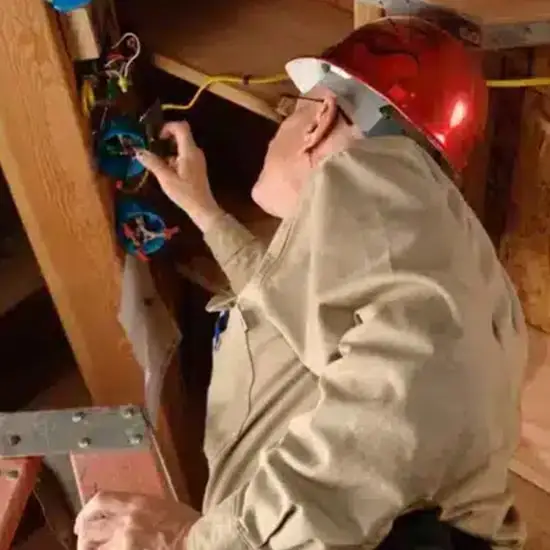

PRE PURCHASE BUILDING INSPECTION BAKEWELL
Investing in property is a major financial commitment—a Pre Purchase Building Inspection protects that investment. Our comprehensive reports are prepared by inspectors with extensive knowledge and experience of the local market.
Pre Purchase Building Inspections go beyond basic assessments. Each property receives a thorough evaluation from the foundation through the roof structure. Our trade-qualified inspectors assess structural components, weathertightness systems, electrical installations, and plumbing infrastructure in accordance with AS 4349.1-2007.
Schedule your Pre-Purchase Building Inspection to receive your report within 24-48 hours. Every report includes moisture testing results, structural analysis, and detailed documentation to support confident property negotiations.
WRITTEN BUILDING INSPECTION
Professional and Reliable Inspection reports to AS4349.1 reporting Standards
METH TESTING
Same-day onsite testing with your building inspection in all suburbs
VERBAL BUILDING INSPECTION
On site or over the phone verbal overview for time critical decisions




Bakewell's Unique Building Challenges
Estate Development and Repetition of Defects
Bakewell was conceived as part of a master-planned satellite city, one of several Palmerston suburbs rolled out in stages from the 1980s onward. Large land tracts were rezoned and released to volume builders in succession. The same few builders often constructed dozens of homes using standard plan sets with minor variations from block to block.
The risk here is the repetition of defects: when one slab-and-footing design is used across 40 or 50 homes, an underestimate of soil reactivity means not just one property has a problem, but many do. We see the same crack patterns, window misalignments, and corrosion sequences repeated across neighbouring houses built in the same year.
Infill Pressure and Attached Dwellings
As developable land across Palmerston tightens, original 1990s lots are being subdivided for attached dwellings. Townhouses and duplexes share common walls, roof structures, and stormwater systems. When tree roots block shared drainage — and Bakewell's established gardens mean mature trees are present — stormwater backs up beneath slabs, worsening the clay movement that already affects the neighbourhood. New builds on cut-and-fill platforms often have poor retaining-wall detailing, causing moisture to pool behind the walls and migrate beneath the new slab.
Regional Building Quality Context
Between 2017 and 2019, nine multi-storey buildings across Darwin and Palmerston were found to have non-compliant concrete transfer slabs designed by a single structural engineer, with a demonstrated risk of punching shear failure. While Bakewell's single-storey homes were not directly affected, the episode shows that regulatory enforcement in the Territory has not always been robust. The lesson for owners: footings and slabs designed during the 1990s estate-development period deserve scrutiny even if the house looks sound at street level.
Termite System Maintenance
The Building Act requires all new homes to have a termite management system, but effectiveness depends entirely on maintenance. Chemical barriers have a service life of five to eight years. A home built in 1995 that received a single treatment at construction has had no active barrier for over 20 years unless the owner paid for regular reapplication. Many owners do not know what system their home has, where the treatment zone is, or when it was last inspected. Garden beds built against the slab and paving laid over the perimeter breach the system unseen. This pattern is common in Bakewell.
Recent Inspection Example
We inspected a 1997-built Bakewell home that was beautifully presented — fresh paint, new carpet, tidy garden. The owners, after 22 years, believed it was in excellent condition. We found active termite mud leads entering the wall cavity through a gap between the slab edge and brick veneer, concealed behind a garden bed. The chemical soil barrier installed at construction had never been reapplied.
Between the garden bed, the expired barrier, and a weeping irrigation fitting adjacent to the slab edge, the termites had everything they needed: moisture, concealment, and a clear path into the timber frame. The damage required significant structural replacement.
