Building Inspection Wanniassa
BUILDING REPORT WANNIASSA
Residential & Commercial Building Reports
Our Working Process
Book
Confirm
Inspect
Report
An on-site or over-the-phone verbal overview for time-critical decisions. Useful when you need an answer before an auction, a deadline, or a multi-offer situation.
Pre-purchase inspections occur before you make an offer or after acceptance, giving you crucial information about the property’s condition before you finalise your investment.
TESTING
Same-day on-site meth screening at your property. You'll know whether contamination is present before you commit to the purchase.
A pest inspection checks accessible areas of an Australian property for termites, borers, fungal decay and conditions that attract timber pests.
Builders Report Wanniassa
What Our Inspectors Typically Find
Wanniassa is a Tuggeranong suburb of the mid-1970s, developed by the National Capital Development Commission as part of Canberra's push south. The housing stock is overwhelmingly detached brick-veneer homes on slab-on-ground foundations, built between 1975 and the late 1980s, with concrete-terracotta tile roofs and the straightforward rectangular layouts that defined the NCDC's approach to volume building. Nearly 90 per cent of dwellings in Wanniassa are separate houses, and the suburb sits on well-sized blocks with established gardens and mature street trees.
On inspection day, the dominant story is the interaction between the 40- to 50-year-old building fabric and the particular demands of the Tuggeranong Valley climate. Wanniassa sits at the foot of the Brindabella Ranges, where cold air masses and strong south-westerly winds are funnelled through the valley. The freeze-thaw cycle here is more aggressive than in Canberra's northern suburbs, and the concrete tile roofs that are standard on homes of this era bear the brunt.
Ridge bedding and pointing shows accelerated deterioration — cracking, lifting, and powdering that is more advanced than on roofs of the same age in the inner north. Valley trays, typically galvanised steel, corrode at the overlaps and seams. Tile fracture from frost action and thermal cycling is common, particularly on the southern and western roof pitches. We regularly find replacement tiles that do not match the original profile, and areas where broken tiles have been patched with sealant rather than replaced.
Foundation performance is driven by reactive clay soils weathered from the Deakin Volcanics — cream-green and purple rhyodacite in the eastern half of the suburb, tuff and agglomerate in the west. The original slab designs from the 1970s and 80s were built to the standards of their time, with narrower edge beams and lighter reinforcement than modern AS2870 requirements.
The pattern of differential movement is predictable: stepped cracking in brickwork at window and door openings, doors and windows that bind after wet winters and free off during dry summer periods, and cornice separation at wall-ceiling junctions. The severity varies noticeably across the suburb, depending on block-level drainage and the condition of original downpipe connections. Homes where roof water has discharged onto the ground beside the slab for decades show more advanced movement than those where the stormwater was tied into the public network from the start.
Internally, wet-area defects follow the pattern familiar across Canberra's 1970s and 80s housing stock. The original bathroom and ensuite waterproofing is now well past its effective life, and we regularly document failed shower membrane seals at hob corners, weeping flexi-hose connections under vanities, and seepage at WC pan outlets.
An additional consideration in Wanniassa is the age of the original plumbing infrastructure — copper supply pipes that develop pinhole corrosion over time, and original earthenware sewer lines that are vulnerable to root intrusion from the suburb's established street trees.
The suburb is also experiencing a gradual shift toward higher density. Dual occupancy developments and townhouse infill are increasingly common on the larger original blocks, and the streetscape now regularly mixes original 1970s brick veneer with contemporary replacements.
For inspections, this means the condition of shared drainage infrastructure, boundary retaining walls between new and old developments, and the quality of stormwater integration across subdivided blocks are all relevant items that would not have featured in a standard Wanniassa inspection a decade ago.
The standout local risk we flag for Wanniassa buyers is the combination of 40-to-50-year-old building fabric, an aggressive valley climate that accelerates roof deterioration, and reactive clay on volcanic geology, where the roof condition, slab performance, and aging plumbing all need attention simultaneously, and where any one of them can dominate the repair budget if neglected.
+
+
BUILDING INSPECTOR WANNIASSA
24-48 Hour Report Delivery Guaranteed
Looking for a Building Inspector in Wanniassa? Our trade-qualified inspectors provide thorough building reports within 24-48 hours, combining speed with meticulous attention to detail.
Our building inspection service is perfect for time-sensitive property purchases. Each inspector carries professional indemnity insurance and brings deep knowledge of your local market and common building challenges. All inspections comply with AS 4349.1-2007 standards for comprehensive, reliable assessments.
Property buyers rely on our inspection expertise for accurate, actionable assessments. Every report delivers a complete structural evaluation, weather-tightness analysis, and maintenance requirements—giving you the information you need to make confident purchasing decisions on schedule.

PRE PURCHASE BUILDING INSPECTION WANNIASSA
Investing in property is a major financial commitment—a Pre Purchase Building Inspection protects that investment. Our comprehensive reports are prepared by inspectors with extensive knowledge and experience of the local market.
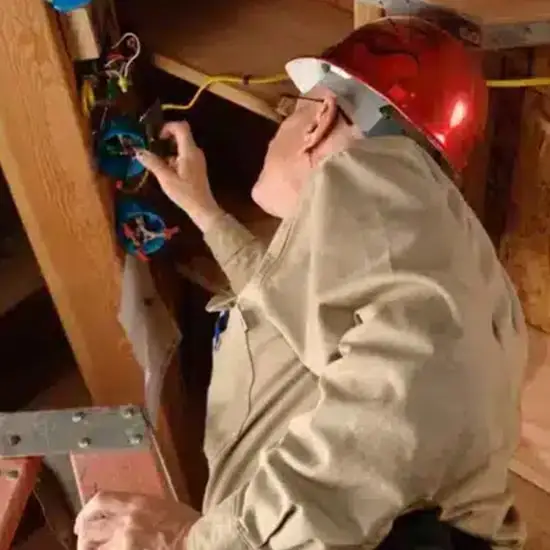
Pre Purchase Building Inspections go beyond basic assessments. Each property receives a thorough evaluation from the foundation through the roof structure. Our trade-qualified inspectors assess structural components, weathertightness systems, electrical installations, and plumbing infrastructure in accordance with AS 4349.1-2007.
Schedule your Pre-Purchase Building Inspection to receive your report within 24-48 hours. Every report includes moisture testing results, structural analysis, and detailed documentation to support confident property negotiations.
WRITTEN BUILDING INSPECTION
Professional and Reliable Inspection reports to AS4349.1 reporting Standards
METH TESTING
Same-day onsite testing with your building inspection in all suburbs
VERBAL BUILDING INSPECTION
On site or over the phone verbal overview for time critical decisions




Wanniassa's Unique Building Challenges
The Wanniassa Hills interface: termite ecology at the bushland edge
Wanniassa's western and southern boundaries are defined by the Wanniassa Hills Nature Reserve, a 262-hectare protected area of remnant native woodland that forms part of the broader Canberra Nature Park network. This reserve is one of the largest bushland interfaces in any Tuggeranong suburb, and it creates conditions that are genuinely different from those in other suburbs without a direct boundary with a nature reserve.
The reserve supports mature eucalypts, undisturbed soil profiles, and consistent moisture levels from natural drainage patterns — an ideal environment for subterranean termite colonies to establish and forage. The termite risk mapping for the ACT rates the suburbs bordering the reserve at elevated levels, and Wanniassa's combination of bushland adjacency, large blocks with established gardens, and aging timber elements in 1970s construction places it in a higher risk category than suburbs without this interface.
For homes on the reserve edge — particularly those backing onto the Wanniassa Hills or within a few streets of the boundary — the condition of the termite management system should be a primary inspection focus. Many Wanniassa homes of this era had a chemical soil barrier installed at the time of construction, but at 40 to 50 years old, that original treatment has long since degraded.
Physical mesh barriers, where fitted, may have been compromised by subsequent landscaping — garden beds built against the slab edge, paving poured over the treated zone, or retaining walls installed without regard for the barrier continuity. We recommend that buyers on the reserve edge commission a separate timber pest inspection from a licensed pest inspector to establish whether any termite management is currently in place and effective.
The valley climate factor
Wanniassa's position in the Tuggeranong Valley, at the base of the Brindabella Ranges, exposes it to weather conditions noticeably more severe than those in suburbs further north. Cold air drains down from the ranges and pools in the valley, producing frosts that are heavier and more frequent than in Belconnen or the inner north. The south-westerly winds that funnel through the valley place higher wind loading on roof structures, and the freeze-thaw cycle is more aggressive.
For building inspections, these conditions mean that roof and external fabric deterioration in Wanniassa typically outpaces that of the same-era house in a milder Canberra location. Ridge bedding fails faster. Tile fracture from frost action is more common. Gutters and downpipes on exposed elevations show weather-related fatigue earlier. The standard maintenance interval for a Wanniassa home is shorter than for an identical home in a less-exposed position, and buyers should factor this into their expectations for ongoing upkeep.
Aging underground: the plumbing reality of an established suburb
Wanniassa's original plumbing infrastructure is now reaching an age where replacement becomes a regular consideration rather than an exception. The original sewer lines in many streets are earthenware pipes, which are durable but vulnerable to root intrusion from the suburb's now-mature street trees and garden planting. Copper supply pipes develop pinhole corrosion from the inside over decades, particularly in areas with aggressive water chemistry.
We regularly inspect Wanniassa homes where the owner has dealt with one or more blocked sewers due to root ingress, and where sections of copper pipe have been replaced. Still, the original runs remain, and where the hot water system is on its second or third replacement, while the supply pipes it serves are still original. These are not emergency defects in most cases, but they represent a predictable pattern of age-related plumbing costs that accumulate over time.
For buyers, the age and condition of the underground plumbing are worth understanding before purchase, even though they are not part of a standard visual building inspection.
The Erindale effect: change at the neighbourhood centre
The Erindale Centre in Wanniassa's south-east has been designated for significant redevelopment, with plans for increased building heights of up to five storeys, a new bus interchange, and expanded residential and commercial density. The centre already serves as a major Tuggeranong hub, and the planned changes will alter the character of the surrounding residential streets.
For building inspections, the focus is not on the centre itself but on the ripple effects on nearby properties. Increased density in the centre means changes to local traffic patterns, stormwater drainage loads, and groundwater movement. Properties immediately adjacent to the Erindale precinct may experience altered drainage conditions as new buildings and hard surfaces change the way water moves through the area. These are gradual effects rather than immediate defects, but they are worth noting for buyers considering properties within a few streets of the centre.
A suburb named after Java
Wanniassa's name comes from a pastoral property granted to Thomas McQuoid in 1835, which he named after Wanayasa in Purwakarta Regency, West Java, Indonesia, where he had previously owned land. It is one of the few Canberra suburbs with a name that traces back to colonial Indonesian connections rather than Aboriginal language or Australian political figures.
The naming story matters for building inspections only indirectly — it is a reminder that Wanniassa's streets, named after Victorian state politicians, and its housing stock, built to NCDC standards of the 1970s, are products of a particular moment in Canberra's development. The suburb was built during a period when the NCDC was expanding rapidly into Tuggeranong, and the construction standards and materials of that era — including the concrete tile roofs, slab-on-ground footings, and copper plumbing that define the building stock today — reflect the production-line approach that characterised that growth phase. Understanding that context helps buyers interpret the defect patterns they are likely to encounter.
Recent Inspection Examples
Example: 1970s brick veneer near the Wanniassa Hills reserve edge
We inspected a three-bedroom home built in 1978 on a block backing onto the Wanniassa Hills Nature Reserve. The home had been well-maintained with regular roof restorations and a renovated main bathroom, but the inspection revealed a pattern of issues that reflected the suburb's particular conditions.
The concrete tile roof had been re-bedded and re-pointed approximately 10 years earlier, but the southern pitch — exposed to the prevailing south-westerly winds — showed signs of early deterioration in the new pointing, with cracking appearing along several ridge sections. Several tiles on the western edge had hairline fractures consistent with frost cycling. The slab had stepped cracking at the garage door opening and at one window return on the northern elevation, with the cracking measuring approximately 2 to 3 millimetres at the widest point — within the range of normal movement for a home of this age and soil type, but worth monitoring.
The original copper supply pipes under the house showed green staining at several compression fittings, indicating minor pinhole leaks that had been present long enough to stain the copper but had not yet caused visible damage. The termite management sticker in the meter box was dated 1978 with no evidence of reapplication, and the rear garden — which stepped down toward the reserve boundary — had a retaining wall at the property line where the drainage ag pipe appeared to discharge onto the surface rather than into the stormwater network.
The rear garden also had several mature eucalypts within 5 metres of the slab edge, a factor that can influence both soil moisture levels and termite foraging activity. None of these findings was urgent, but together they illustrated the maintenance profile that comes with a 40-year-old home at the bushland interface in Tuggeranong — where the roof, slab, plumbing, and termite management all demand attention within the same decade.
