Building Inspection Brunswick
BUILDING REPORT BRUNSWICK
Residential & Commercial Building Reports
Our Working Process
Book
Confirm
Inspect
Report
An on-site or over-the-phone verbal overview for time-critical decisions. Useful when you need an answer before an auction, a deadline, or a multi-offer situation.
Pre-purchase inspections occur before you make an offer or after acceptance, giving you crucial information about the property’s condition before you finalise your investment.
TESTING
Same-day on-site meth screening at your property. You'll know whether contamination is present before you commit to the purchase.
A pest inspection checks accessible areas of an Australian property for termites, borers, fungal decay and conditions that attract timber pests.
Builders Report Brunswick
What Our Inspectors Typically Find
Brunswick is one of Melbourne's most established inner-north suburbs, and its housing stock reflects every phase of the city's growth over the past 170 years. What buyers often don't realise is that beneath the polished floorboards and heritage street appeal, many of these properties are carrying the cumulative effects of a century or more of ground movement, moisture exposure, and deferred maintenance on original fabric that was never designed to last this long.
The dominant housing in Brunswick is Victorian-era, built during the boom years of the 1880s and 1890s. The suburb's proximity to the brickworks that fed Melbourne's expansion meant that brick was the material of choice — and it shows.
Bi-chrome and polychrome brickwork is a defining feature of Brunswick's streetscapes, with red bricks accented by cream and brown bands, tuck-pointing, and decorative quoining. These Victorian Italianate terraces and villas are the backbone of the suburb, and they feature slate or corrugated-iron roofs, cast-iron verandah friezes, and timber sash windows.
Roof integrity is the first thing we assess in Brunswick, and it's regularly the source of unwelcome surprises. The slate roofs on Victorian-era homes can be beautiful, but they're also fragile and expensive to maintain. Broken or slipped slates, corroded fixing nails, and failed valley flashings are common.
Where corrugated iron has been used, it's often been patched multiple times over the decades. We regularly find ceiling staining and roof cavity mould that points to leaks the current owner didn't know existed — particularly around chimney flashings and box gutters.
Rising damp is a common finding in Brunswick's solid-brick construction. The original damp-proof courses in these 1880s and 1890s homes, where they were installed at all, have often been bridged by later ground-level changes. Garden beds mounded against the walls, concrete paths poured right up to the brickwork, and driveway aprons that sit above the damp-proof course level — all of these are common, and all of them drive moisture up into the wall fabric.
The result is salt efflorescence, spalling brickwork, and internal plaster damage that progressively worsens, not improves.
Subfloor conditions in Brunswick's brick homes are often problematic. Many of these properties were built on unlined brick piers with bare earth below. With limited subfloor ventilation and no vapour barrier, moisture from the ground saturates the subfloor environment year-round. Timber floor joists in contact with or close to damp earth are at elevated risk of decay, and the conditions are ideal for subterranean termite activity.
The addition of new plumbing and wiring run through the subfloor over the years often compromises what little clearance existed to begin with.
The standout risk in Brunswick — and the one that catches buyers out most often — is the long-term structural movement from reactive clay soils acting on original shallow footings. Brunswick sits on the same expansive clay that underlies much of inner Melbourne, and the shrinking and swelling of this clay over seasonal cycles has been working on the suburb's shallow brick footings since the day they were laid.
The drought of the late 1990s and 2000s caused widespread soil desiccation and differential settlement, particularly in properties with large trees growing close to the building. Diagonal cracking above windows and doors, uneven floor levels, and doors that scrape or won't latch are the typical signs. In many Brunswick homes, this movement is ongoing because the original footings were never upgraded.
Maintenance standards vary widely. You'll find properties where the current owners have conscientiously reguttered, repointed brickwork, extended downpipes, and installed subfloor ventilation. You'll also find properties that have had three cosmetic facelifts in fifteen years — fresh paint, new kitchen, polished floors — while the roof leaks, the subfloor rots, and the footings continue to move. For a buyer, the inspection is the only way to tell the difference.
+
+
BUILDING INSPECTOR BRUNSWICK
24-48 Hour Report Delivery Guaranteed
Looking for a Building Inspector in Brunswick? Our trade-qualified inspectors provide thorough building reports within 24-48 hours, combining speed with meticulous attention to detail.
Our building inspection service is perfect for time-sensitive property purchases. Each inspector carries professional indemnity insurance and brings deep knowledge of your local market and common building challenges. All inspections comply with AS 4349.1-2007 standards for comprehensive, reliable assessments.
Property buyers rely on our inspection expertise for accurate, actionable assessments. Every report delivers a complete structural evaluation, weather-tightness analysis, and maintenance requirements—giving you the information you need to make confident purchasing decisions on schedule.

PRE PURCHASE BUILDING INSPECTION BRUNSWICK
Investing in property is a major financial commitment—a Pre Purchase Building Inspection protects that investment. Our comprehensive reports are prepared by inspectors with extensive knowledge and experience of the local market.
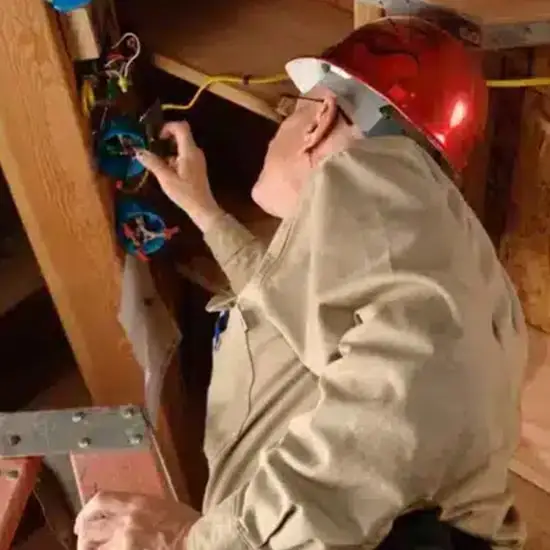
Pre Purchase Building Inspections go beyond basic assessments. Each property receives a thorough evaluation from the foundation through the roof structure. Our trade-qualified inspectors assess structural components, weathertightness systems, electrical installations, and plumbing infrastructure in accordance with AS 4349.1-2007.
Schedule your Pre-Purchase Building Inspection to receive your report within 24-48 hours. Every report includes moisture testing results, structural analysis, and detailed documentation to support confident property negotiations.
WRITTEN BUILDING INSPECTION
Professional and Reliable Inspection reports to AS4349.1 reporting Standards
METH TESTING
Same-day onsite testing with your building inspection in all suburbs
VERBAL BUILDING INSPECTION
On site or over the phone verbal overview for time critical decisions




Brunswick's Unique Building Challenges
Location Context
Brunswick sits about five kilometres north of the Melbourne CBD, in what is now the City of Merri-bek. The suburb developed rapidly in the late 19th century as a working-class and industrial centre, fuelled by the nearby brickworks and manufacturing along the Merri Creek corridor.
The result is a dense inner-urban fabric of Victorian terraces and villas, interwoven with former industrial sites that have been converted to apartments or redeveloped entirely. The suburb's physical constraints — reactive clay soils, flood risk along the Merri Creek corridor, and extensive heritage overlays — create a building environment that demands careful attention from anyone buying or renovating.
Flood Risk Along the Merri Creek Corridor
A significant portion of Brunswick, particularly Brunswick East and the areas adjacent to Merri Creek, has been identified as being at risk of flooding. Melbourne Water modelling has flagged nearly 1,300 properties across Brunswick and neighbouring Coburg as falling within high-hazard flood zones, where water depths could reach two metres or more during a major storm event. The risk is driven by both riverine flooding from the creek itself and stormwater overflow from the local drainage network, as climate change intensifies rainfall.
Properties in the affected areas often sit on land that was never subject to strict flood-level requirements when they were built in the 19th century. This means floor levels, drainage configurations, and subfloor designs that were perfectly adequate in the 1880s can be entirely inadequate for the storm events we're now seeing.
For buyers looking at properties in the lower-lying parts of Brunswick East, the building inspection should specifically assess floor levels relative to the surrounding ground, the adequacy of stormwater drainage away from the building, and any evidence of past water ingress in the subfloor area.
The Merri-bek Council has been working to introduce a new Special Building Overlay to address stormwater flood risk across the municipality. For properties within the overlay, any new development or significant renovation will likely require flood-level compliance, which can mean raising floor levels, installing backflow prevention, or upgrading drainage — all of which add cost to what might otherwise have been a straightforward project.
Heritage Overlays and the Renovation Reality
Brunswick is heavily covered by heritage overlays administered by the Merri-bek Council. Multiple precincts are affected, including HO149 (Albert Street precinct), HO61 and HO600 in the Dawson Street area, and numerous individually listed heritage places. The practical effect is that a large proportion of Brunswick's housing stock is subject to permit requirements for external alterations, demolition, window replacement, re-roofing in non-original materials, and sometimes even painting previously unpainted brickwork.
This creates a specific and often underestimated challenge for buyers. A heritage overlay doesn't just limit what you can do to the front facade — it can affect rear extensions, second-storey additions, fence replacements, and even internal alterations that impact the structural integrity of original fabric like chimney breasts, fireplaces, and exposed timber joinery. Several VCAT cases involving Brunswick properties have turned on exactly these issues, with owners navigating the tension between modernising their homes and satisfying heritage objectives.
The upshot is that some Brunswick heritage homes are effectively locked into their original floorplan. Families who buy these properties expecting to add a second storey or a substantial rear extension may find the approval process prohibitively expensive and time-consuming. The alternative — moving on and purchasing a different property — is often the more practical outcome once the full cost of heritage-compliant renovation becomes clear.
From an inspection perspective, unauthorised work is a recurring theme. We regularly find bathroom renovations, window replacements, and rear decking that were carried out without the required heritage permits. These aren't always fatal to a sale, but they can create issues with insurance, resale disclosure, and council compliance that the buyer needs to be aware of before settlement.
Industrial Legacy: The Hoffman Brickworks and Warehouse Conversions
Brunswick's industrial past has left a complex legacy for the suburb's building stock. The Hoffman Brickworks, established in 1870, was one of Australia's largest brick producers before it closed in the 1990s. The site was subsequently redeveloped into residential apartments, but the conversion has been anything but smooth.
The most prominent ongoing issue involves a 35-metre heritage-listed chimney on the Brickworks site, owned by developers who have not yet completed repairs despite heritage orders dating back to 2023 and again in early 2025. The structural damage to the chimney has required emergency scaffolding since 2021, and residents living in the converted factory apartments are bearing the cost.
Building insurance premiums for the affected properties have more than doubled — from around $55,000 in 2021 to a projected $120,000 in 2025 — with individual owners facing annual levies of $8,000 to $10,000. These figures illustrate a broader risk for buyers considering converted industrial properties: the building defects and compliance obligations left behind by original conversions can fall heavily on subsequent owners.
More broadly, Brunswick's converted warehouses and factories share many of the defect profiles seen across inner Melbourne's industrial conversions. Concrete slabs originally designed for light manufacturing loads are now carrying residential partitions and finishes. Fire safety measures from the original conversion may not meet current standards — particularly around smoke detection, egress, and fire separation.
And the mechanical services — plumbing, electrical, and ventilation — were often retrofitted in ways that were acceptable at the time but are increasingly inadequate. Anyone buying into a converted industrial property in Brunswick should scrutinise the owners' corporation's sinking fund, any outstanding building orders, and the building's compliance history.
Era-Specific Housing Stock Risk Profile
Victorian-era brick terraces and villas (1880s–1890s): The dominant housing type across Brunswick. Bi-chrome and polychrome brickwork on shallow bluestone or brick footings, slate or corrugated iron roofs, timber sash windows, and cast-iron verandah elements.
Primary defects include rising damp where damp-proof courses have been bridged, roof decay around flashings and valleys, foundation movement from reactive clay, and rot in decorative timber elements. Party walls between attached terraces can conceal structural issues, including bowing and inadequate lateral restraint.
Edwardian and Federation-era homes (1900–1920): Present in smaller numbers, typically weatherboard or red-faced brick with terracotta or corrugated-iron roofs. Common issues include rusted roof sheeting, failed damp-proof courses, and subfloor moisture in weatherboard sections. Where present, the decorative timber elements — verandah fretwork, window hoods, and gable infill — are frequently affected by rot where paint systems have broken down.
Interwar housing (1920s–1940s** Concentrated in parts of Brunswick West and Brunswick North. Generally, more robust construction with concrete footings and brick veneer or cavity brick construction. Terracotta tile and corrugated asbestos-cement roofing are often at the end of their useful lives.
Asbestos-containing materials in eaves, wall cladding, and roof sheeting are a significant consideration for any renovation. This era also saw the first widespread use of concrete slab-on-ground construction, in which slab edge cracking and underseal failures are typical.
Post-war and late 20th-century infill (1950s–1990s): A smaller portion of the stock. Typical defects include concrete slab edge cracking, poorly installed damp-proof membranes, and plumbing that's approaching the end of its serviceable life. Where these properties sit on the same reactive clay soils as the older stock, the movement issues can be just as pronounced.
Modern apartments and townhouses (2000s onward): An increasing proportion of Brunswick's housing supply. While newer construction avoids many of the issues of the older stock, we see a different set of defects: poor waterproofing in bathrooms and on balconies, inadequate acoustic separation between units, and, in some cases, combustible cladding materials that have required remediation orders. The quality of construction varies significantly between builders, and a pre-purchase inspection is just as important here as it is for a Victorian terrace.
Recent Inspection Examples
Example 1 — Victorian brick terrace, central Brunswick
A double-fronted Victorian brick villa built around 1888, presenting well with restored cast-iron verandah and freshly painted facade. The owner had recently installed new floor coverings throughout. Under the floor, however, the subfloor was almost completely unventilated — three of the four original vent openings had been blocked by concrete paving installed years earlier.
Moisture readings in the floor joists exceeded 24% in the front rooms, and two joists had active decay at their bearing ends. The estimated cost of remediation — clearing the blocked vents, installing additional subfloor ventilation, and replacing affected timbers — was around $8,000, none of which had been factored into the buyer's budget.
Example 2 — 1990s warehouse conversion, Brunswick East
A loft-style apartment in a converted industrial building near the Merri Creek corridor. The building had been marketed as a character property with exposed brickwork and high ceilings. The buyer's inspection identified two significant issues. First, the building had an outstanding combustible cladding issue on the rear elevation that the owners' corporation was aware of but had not yet budgeted for.
Second, there was evidence of past water ingress in the basement car park, with staining on the walls and a section of the slab that was showing signs of salt attack. The owners' corporation minutes confirmed that a special levy for the cladding work was being discussed but not yet resolved. The buyer proceeded but factored a $30,000 contingency into their offer.
We offer building inspections across Australia — Sydney, Perth, Adelaide, Canberra, Tasmania and Darwin.
Sydney locations include: Craigieburn, Point Cook, Pakenham, Reservoir, Tarneit, Berwick, Werribee, Glen Waverley, Richmond, Narre Warren, South Yarra, Doncaster, Cranbourne, Hawthorn, Southbank, Sunshine and St Kilda.
