
Building Inspection Reservoir
BUILDING REPORT RESERVOIR
Residential & Commercial Building Reports
Our Working Process
Book
Confirm
Inspect
Report
An on-site or over-the-phone verbal overview for time-critical decisions. Useful when you need an answer before an auction, a deadline, or a multi-offer situation.
Pre-purchase inspections occur before you make an offer or after acceptance, giving you crucial information about the property’s condition before you finalise your investment.
TESTING
Same-day on-site meth screening at your property. You'll know whether contamination is present before you commit to the purchase.
A pest inspection checks accessible areas of an Australian property for termites, borers, fungal decay and conditions that attract timber pests.
Builders Report Reservoir
What Our Inspectors Typically Find
Reservoir listings often sell on inner-north value — solid brick streetscapes, quick train access, and renovated kitchens that photograph well at Saturday open homes. That presentation can mask how a house actually behaves on Darebin’s mature allotments, where post-war construction, reactive clay, long renovation histories, and tight side-path drainage produce defects that rarely show up in styling shots alone.
The suburb’s housing stock is overwhelmingly post-war — Californian bungalows, double-fronted brick veneer, weatherboard cottages, and modest brick flats from the 1950s through 1980s, with a growing layer of townhouse infill near Preston, Spring Street, and transport corridors.
Roofing is commonly concrete terracotta tile with ageing bedding and pointing, corrugated metal on carports and rear additions, and occasional slate or Marseilles profiles on older pockets. Many homes still sit on stump or pier subfloors, while later brick veneer stock often uses conventional slabs or footings that remain sensitive to perimeter moisture on clay soils.
Roof and stormwater performance is a first-line inspection theme. We regularly document blocked gutters, sagging brackets, rusted valley trays, failed pointing at hips and ridges, and downpipes that discharge onto side paths or rear lanes rather than into connected stormwater points. Reservoir catches sustained winter rain and sharp summer storms; when secret-adjacent valleys, eaves junctions, and penetration seals fatigue, ceiling staining can reappear quickly in rooms that looked freshly painted at the first inspection.
Subfloor ventilation and perimeter drainage show up repeatedly — particularly where continuous side-path concrete, enclosed verandahs, or rear decks have been added tightly to original footings without revisiting falls or vent lines. Damp skirtings along side walls, musty ground-floor air, and uneven timber moisture in subfloors are common even when interior styling has been recently updated for resale or rental.
Internally, kitchens and bathrooms are often renovated in cycles. Presentation can be excellent while hob penetrations, shower recess perimeters, and laundry service lines still sit on older wet-area fabric. Slow leaks at flexi-hoses, breached silicone at shower screens, and historical moisture in robe partitions adjoining bathrooms appear often, sometimes concealed beneath new floating floors or fresh paint.
Asbestos cement materials remain prevalent in housing built before the mid-1980s — eaves, wet-area linings, external cladding patches, fences, and old laundry walls. Buyers planning structural or wet-area rework should allow for careful sequencing where fibro-cement sheets may be present.
Reactive clay behaviour underlies much of Darebin. Seasonal shrink and swell can produce stepped cracking, binding doors, and recurring gaps at architraves — particularly where downpipes discharge beside footings, garden beds dam water against brickwork, or trees influence soil moisture at slab and stump lines. Movement on older footings is not always dramatic, but it can be persistent and costly when combined with neglected drainage.
Timber pest pressure is practical given mature street trees, established gardens, and subfloor zones that stay humid when ventilation is reduced. We frequently note conducive conditions — timber in ground contact, bridged ant caps, stored materials blocking vents, and damp soil beside stumps or slab edges — even when active infestation is not visible on the day in question.
The standout local risk we emphasise for Reservoir buyers is layered post-war fabric — ageing roof hydraulics, subfloor moisture, and reactive clay movement hidden behind cosmetic renovations — especially where side-path paving, enclosed verandahs, and wet-area upgrades have not been integrated with original drainage and ventilation paths.
Maintenance culture varies between long-term owner-occupiers, investors, and first-home buyers entering renovated stock. Our inspections stay focused on what will drive cost after settlement: roof and stormwater discipline, subfloor condition and ventilation, wet-area integrity, movement patterns on clay soils, asbestos-aware planning, and timber pest pathways.
+
+
BUILDING INSPECTOR RESERVOIR
24-48 Hour Report Delivery Guaranteed
Looking for a Building Inspector in Reservoir? Our trade-qualified inspectors provide thorough building reports within 24-48 hours, combining speed with meticulous attention to detail.
Our building inspection service is perfect for time-sensitive property purchases. Each inspector carries professional indemnity insurance and brings deep knowledge of your local market and common building challenges. All inspections comply with AS 4349.1-2007 standards for comprehensive, reliable assessments.
Property buyers rely on our inspection expertise for accurate, actionable assessments. Every report delivers a complete structural evaluation, weather-tightness analysis, and maintenance requirements—giving you the information you need to make confident purchasing decisions on schedule.

PRE PURCHASE BUILDING INSPECTION RESERVOIR
Investing in property is a major financial commitment—a Pre Purchase Building Inspection protects that investment. Our comprehensive reports are prepared by inspectors with extensive knowledge and experience of the local market.
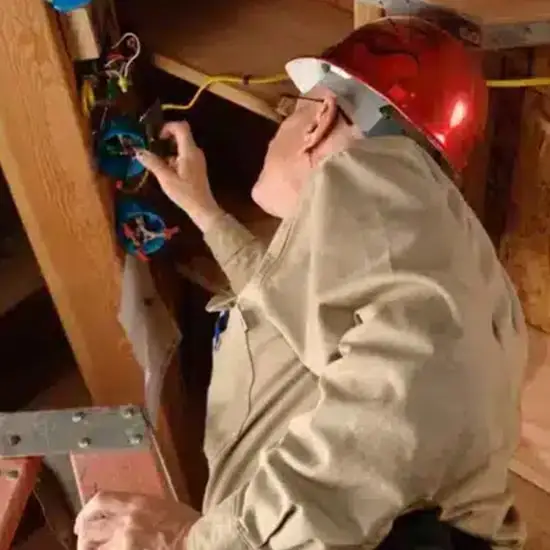
Pre Purchase Building Inspections go beyond basic assessments. Each property receives a thorough evaluation from the foundation through the roof structure. Our trade-qualified inspectors assess structural components, weathertightness systems, electrical installations, and plumbing infrastructure in accordance with AS 4349.1-2007.
Schedule your Pre-Purchase Building Inspection to receive your report within 24-48 hours. Every report includes moisture testing results, structural analysis, and detailed documentation to support confident property negotiations.
WRITTEN BUILDING INSPECTION
Professional and Reliable Inspection reports to AS4349.1 reporting Standards
METH TESTING
Same-day onsite testing with your building inspection in all suburbs
VERBAL BUILDING INSPECTION
On site or over the phone verbal overview for time critical decisions




Reservoir's Unique Building Challenges
Reservoir sits in Melbourne’s inner north as a large, established suburb — shaped by post-war migration, self-built and small-builder housing, and decades of incremental alteration rather than a single greenfield estate template. For buyers, that matters because defect economics are tied to era mix, renovation quality, and how water moves across modest blocks with side paths, rear lanes, and creek-influenced low points — not only to the calendar age on the contract.
Post-war bungalows, weatherboard cottages, and the renovation stack
Much of Reservoir’s character housing was built quickly after the war — brick veneer bungalows with terracotta roofs, weatherboard cottages on stumps, and modest brick flats near local centres. These homes were often extended in stages: enclosed front verandahs, rear living additions, carport conversions, second bathrooms in former storage, and outdoor rooms that introduce new roof valleys and threshold falls.
For inspectors, the practical risk is the accumulation of interfaces. A neat internal renovation can sit above a subfloor with patchy dampness, ant caps with corrosion spotting, and stump lines that have never been re-levelled after perimeter paving changed moisture behaviour. Buyers who equate new kitchen cabinetry with “structurally sorted” can miss the mechanisms driving recurring plaster cracks or musty ground-floor air.
Side paths, rear lanes, and concentrated stormwater on narrow allotments
Reservoir allotments are typically modest in width, with access, services, and downpipe runs concentrated along side paths and rear lanes. That geometry makes drainage unforgiving: a continuous concrete path poured tight to the footing line can bridge vent zones, a shortened downpipe can splash beside stumps for years, and a rear lane regrade after neighbour works can redirect sheet flow toward one garage wall.
Edwardes Lake and Darebin Creek corridors influence humidity and overland behaviour in nearby pockets. During extended wet weather, low points can show garage dampness, salt staining on low masonry, and subfloor wetting that is misread as a generic “rising damp” story until grading, pit capacity, and vent clearance are read as a system.
Reactive clay on older footings and stump lines
Darebin’s clay soils expand when wet and shrink when dry. In stump-supported homes, movement can manifest as bouncing floors, door binding in winter, and gaps at the architraves that reopen in the same zones. On brick veneer slabs and conventional footings, cracking often localises at garage returns, large openings, and elevations where irrigation or paving keeps one side wetter.
Large street trees and mature gardens — common across Reservoir — add root influence near footings, paved paths, and older clay sewer lines. The inspection question is not only “is there a crack?” but also whether moisture and root pressure are acting on the same elevation repeatedly.
Era-specific materials and roof-space realities
Pre-1960s weatherboard and early brick stock may combine hardwood framing, fibro-cement cladding or eaves, and roof spaces with limited clearance. Inspectors watch for sagging ceiling lining associated with long-term tray corrosion, displaced bedding driven by thermal cycling, and brittle penetration boots in older retrofit work.
1960s–1980s brick-veneer bungalows frequently feature partially renewed roofs, dated rear drainage, decks bearing on brickwork with marginal clearance, and enclosed patios without rebuilding the step-flashing sequences. Wet areas upgraded with modern tiled showers on older substrates stack risk at hob penetrations and wall plates.
Townhouse and infill product near Preston and main road corridors shifts failure modes toward lightweight junctions, boundary-shared runoff, and rapid external sealant ageing on western elevations — while still sitting on the same clay behaviour as neighbouring detached stock.
Investor cycles, presentation, and what verification buys you
Reservoir renovates actively for resale and rental — cosmetic refreshes, open-plan living, secondary bedrooms in extensions, and outdoor entertaining upgrades. Documentation for structural changes helps buyers understand stated intent where permits exist; inspectors still verify vulnerable execution at deck ledgers, lintel bearings, removed walls, and wet-area rebuild quality after tiled showers replace simpler trays.
Where additions meet original slabs or stump skirts, threshold falls, and membrane continuity predict chronic leaks during wind-driven rain, premium kitchens will not fix negative grading outside sliding doors.
Northwest precinct covenants and redevelopment limits
In parts of northwest Reservoir, long-standing single-dwelling covenants from early subdivisions still influence what owners can build on a block. That doesn't change day-to-day inspection themes for most buyers, but it matters when purchasing with studio, dual-occupancy, or substantial extension plans. Title and planning advice should align with on-site realities before assuming the potential for standard inner-north redevelopment.
Recent Inspection Examples
Example 1: 1960s double-fronted brick bungalow with investor refresh and one-sided subfloor damp along a side path
We inspected a brick-veneer home marketed as having new paint, floor coverings, and an updated kitchen. Street presentation was strong, but a ground-floor bedroom skirting along the western wall showed swelling and a faint musty note after rain.
Subfloor access on that side revealed patchy bearer dampness, corrosion spotting on ant caps, and several vents partly obstructed by a continuous side-path pour installed tight to the brick line. Roof tiles were generally serviceable; attic staining did not align with the affected room. Two downpipes on the same elevation terminated onto the path with a lip that ponded toward the subfloor zone.
The pattern linked perimeter hydraulics and ventilation loss — not a failed wet area upstairs — reframing the buyer’s priorities toward drainage correction, vent clearance, and subfloor drying before further cosmetic work.
Example 2: Weatherboard cottage near a creek reserve with terracotta hip fatigue and a rear laundry conversion
A buyer-targeted “character cottage” presented with a stylish rear laundry and bathroom rework visible in listing photos. Internally, a robe partition adjoining the new shower showed historical staining despite neat silicone at the screen. Roof-space inspection identified pointing fatigue and debris loading at a hip adjacent to a mature backyard tree, with localised tray corrosion at the discharge end.
Externally, a rear deck skirt had enclosed several stump vents, and garden beds along the downhill fence line held mulch above the weatherboard skirt. Subfloor timber on that flank showed elevated moisture compared with the front of the house. Living areas remained dry, leading the vendor to attribute the odour to “old house smell.”
The combined findings separated manageable tree-related roof maintenance from subfloor airflow restoration, retaining-edge moisture review, and targeted wet-area investigation — issues not evident in photographs of the renovated laundry.
In Reservoir, the most useful inspection outcomes treat ageing roof hydraulics, side-path drainage, subfloor ventilation, and reactive clay behaviour as a single, interconnected system. When those elements are aligned, upkeep on post-war stock stays predictable; when they are not, defects recur, and ownership costs can escalate faster than a renovated kitchen suggests.
We offer building inspections across Australia — Sydney, Perth, Adelaide, Canberra, Tasmania and Darwin.
Sydney locations include: Craigieburn, Point Cook, Pakenham, Tarneit, Berwick, Werribee, Glen Waverley, Richmond, Brunswick, Narre Warren, South Yarra, Doncaster, Cranbourne, Hawthorn, Southbank, Sunshine and St Kilda.
