Building Inspection Glen Waverley
BUILDING REPORT GLEN WAVERLEY
Residential & Commercial Building Reports
Our Working Process
Book
Confirm
Inspect
Report
An on-site or over-the-phone verbal overview for time-critical decisions. Useful when you need an answer before an auction, a deadline, or a multi-offer situation.
Pre-purchase inspections occur before you make an offer or after acceptance, giving you crucial information about the property’s condition before you finalise your investment.
TESTING
Same-day on-site meth screening at your property. You'll know whether contamination is present before you commit to the purchase.
A pest inspection checks accessible areas of an Australian property for termites, borers, fungal decay and conditions that attract timber pests.
Builders Report Glen Waverley
What Our Inspectors Typically Find
Glen Waverley listings often lead with presentation — renovated kitchens, polished floors, landscaped frontages, and the eastern-suburbs story of schools, transport, and large family blocks. That polish can mask how a house actually behaves on Monash’s mature allotments, where reactive clay, sloping sites, decades of high-value extensions, and ageing post-war fabric produce defects that rarely show up in styling photography alone.
The suburb’s housing stock is dominated by detached brick veneer from the 1960s through 1990s — Californian bungalows, double-fronted family homes, and later two-storey builds on generous blocks — with a growing layer of townhouse infill near the station and main road corridors.
Many original homes retain conventional slabs or footings; substantial second-storey additions, rear living extensions, and outdoor entertaining structures are common. Roofing is typically concrete terracotta tile with bedding and pointing reaching a maintenance-intensive age, often combined with Colorbond-style metal on later additions, where valleys and penetrations cluster.
Roof and stormwater performance is a first-line inspection theme. We regularly document blocked gutters caused by mature street trees, sagging brackets, rusted valley trays at extension tie-ins, failed pointing at hips and ridges, and downpipes that discharge onto side paths or garden beds rather than at connected stormwater points.
Glen Waverley catches sustained winter rain and sharp summer storms; when multi-plane roofs, skylight penetrations, and enclosed verandah junctions age, ceiling staining can reappear quickly in upstairs zones that looked pristine at the first open home.
Site drainage on sloping and cut blocks is equally important. Parts of Glen Waverley sit on gentle fall toward Dandenong Creek tributaries, where retaining edges, sloping driveways, and second-stage paving can concentrate runoff toward lower garages, side passages, and subfloor zones. On flatter sections of larger blocks, raised garden beds, irrigation habits, and continuous side-path concrete can bridge ventilation paths and keep one elevation wetter through wet seasons.
Internally, wet-area defects follow familiar eastern-suburb patterns — failed silicone at shower screens, slow leaks at laundry-trough wastes, flexi-hose weeps under vanities, and particle-board swelling at bathroom thresholds — often masked by high-end cosmetic renovations. Buyers frequently encounter premium kitchens and bathrooms sitting above older substrate, hob penetrations, and waste lines that were never fully rebuilt.
Reactive clay behaviour underlies much of Monash. Seasonal shrinkage and swelling can produce stepped brick cracking, binding doors, and recurring gaps at the architraves — particularly where large trees, automated irrigation, or downpipes discharging beside footings keep one side of the house moister. Movement at extension junctions and garage returns is common where original footings and later additions respond differently to the same soil cycle.
Asbestos cement materials remain prevalent in housing built before the mid-1980s — eaves, wet-area linings, external cladding patches, and old laundry walls. Buyers planning structural or wet-area rework should allow for careful sequencing where fibro-cement sheets may be present.
Timber pest pressure is a practical concern given mature gardens, hardwood decking, and subfloor zones in older stock. We frequently note conducive conditions — timber in ground contact, bridged ant caps, stored materials blocking vents, and persistently damp soil beside footings — even when active infestation is not visible on the day.
The standout local risk we emphasise for Glen Waverley buyers is reactive clay movement and moisture load amplified by major extensions, mature trees, and high-end renovations that conceal ageing roof and subfloor fabric — especially where a property photographs like a near-new home but still behaves like 1970s footings and terracotta roof hydraulics underneath.
Maintenance culture varies between long-term owner-occupiers, families undertaking large upgrades, and purchasers entering fully renovated stock. Our inspections stay focused on what will drive cost after settlement: roof and stormwater discipline at extension junctions, subfloor or slab-edge moisture, wet-area integrity behind cosmetic finishes, movement patterns on clay soils, asbestos-aware planning where relevant, and timber pest pathways.
+
+
BUILDING INSPECTOR GLEN WAVERLEY
24-48 Hour Report Delivery Guaranteed
Looking for a Building Inspector in Glen Waverley? Our trade-qualified inspectors provide thorough building reports within 24-48 hours, combining speed with meticulous attention to detail.
Our building inspection service is perfect for time-sensitive property purchases. Each inspector carries professional indemnity insurance and brings deep knowledge of your local market and common building challenges. All inspections comply with AS 4349.1-2007 standards for comprehensive, reliable assessments.
Property buyers rely on our inspection expertise for accurate, actionable assessments. Every report delivers a complete structural evaluation, weather-tightness analysis, and maintenance requirements—giving you the information you need to make confident purchasing decisions on schedule.

PRE PURCHASE BUILDING INSPECTION GLEN WAVERLEY
Investing in property is a major financial commitment—a Pre Purchase Building Inspection protects that investment. Our comprehensive reports are prepared by inspectors with extensive knowledge and experience of the local market.
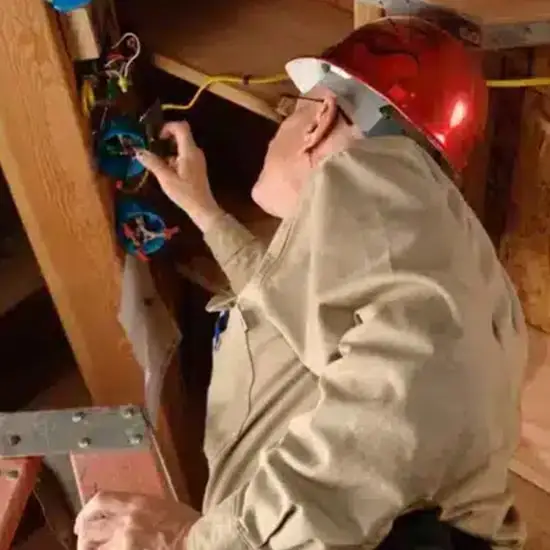
Pre Purchase Building Inspections go beyond basic assessments. Each property receives a thorough evaluation from the foundation through the roof structure. Our trade-qualified inspectors assess structural components, weathertightness systems, electrical installations, and plumbing infrastructure in accordance with AS 4349.1-2007.
Schedule your Pre-Purchase Building Inspection to receive your report within 24-48 hours. Every report includes moisture testing results, structural analysis, and detailed documentation to support confident property negotiations.
WRITTEN BUILDING INSPECTION
Professional and Reliable Inspection reports to AS4349.1 reporting Standards
METH TESTING
Same-day onsite testing with your building inspection in all suburbs
VERBAL BUILDING INSPECTION
On site or over the phone verbal overview for time critical decisions




Glen Waverley's Unique Building Challenges
Glen Waverley developed as one of Melbourne’s signature eastern family suburbs — private estates expanding after the railway arrived, large blocks filling through the 1960s and 1970s, and decades of owner investment in second storeys, rebuilt outdoor living, and school-zone premiums.
For buyers, that history matters because defect economics are less about greenfield estate drainage and more about how well expensive alterations integrated with post-war footings, terracotta roof fields, and sloping-block hydraulics on reactive clay.
Post-war estates, generous blocks, and the extension economy
Much of Glen Waverley’s character housing was built as brick veneer family homes on blocks large enough for pools, sheds, and substantial rear extensions. A.V. Jennings and comparable builders shaped many streets — repeatable plans that now carry forty to sixty years of modification: second storeys, rebuilt front façades, enclosed garages, and alfresco zones that introduce new roof planes and threshold falls.
For inspectors, the practical risk lies in differential performance between the original and the added structure. A binding door at a new upstairs hall, cracking at the junction between old brick and extension lines, or staining at a tie-in ceiling often reflects load path and moisture behaviour across eras — not a single isolated defect.
Sloping sites, retaining, and downhill moisture
Gentle fall toward creek corridors and low points across Monash means many Glen Waverley homes are not on uniformly flat allotments. Cut benches, fill pads, timber or masonry retaining walls, and sloping driveways can direct runoff toward garage slabs, lower living zones, or side subfloor areas.
We often document musty garages on the downhill flank, efflorescence at retaining interfaces, and subfloor dampness that persists after dry weather when ventilation has been reduced by decking, stored materials, or paving poured tightly to the original footing line. Buyers focused on the quality of upstairs renovations can underestimate how much downhill hydraulics will affect ground-floor ownership costs.
Mature trees, irrigation, and one-sided soil moisture
Large front and rear trees are part of Glen Waverley’s streetscape appeal — and part of its soil moisture story. Root influence near footings, paved paths, and older earthenware sewer lines is a recurring inspection theme, particularly where automated irrigation keeps one elevation wetter year-round.
Movement that localises to one side of the house — cracking at a front corner, stiff sliding doors, recurring gaps at architraves on a single elevation — often tracks better to moisture habits and root pressure than to “random settling.”
Ageing terracotta, complex roof geometry, and extension junctions
Original terracotta roofs on modified homes exhibit greater hydraulic complexity than single-plane new builds. Valleys at L-shaped extensions, skylights in renovated upper levels, and debris from overhanging trees reduce the margin for maintenance lapses.
Inspectors watch for long-term tray corrosion, displaced bedding driven by thermal cycling, and penetration boots that have been patched repeatedly. Wind-driven rain can exploit tired junctions on western elevations while the main roof field still looks acceptable from the street.
Townhouse infill and changing density
Near the station and main road corridors, townhouse and dual-occupancy products add boundary-shared runoff, lightweight junction risk, and rapid external sealant ageing on exposed elevations — while still sitting on the same reactive clay behaviour as neighbouring detached stock.
The attached product can produce “mystery damp” on one party wall when communal discharge, pit maintenance, or neighbour downpipe habits concentrate flow during short, intense storms.
Era-specific risk profile
1960s–1970s brick veneer on large blocks commonly combines ageing terracotta, conventional footings or early slabs, long extension histories, and subfloor or perimeter zones that have never been reviewed after major outdoor upgrades.
1980s–1990s two-storey and split-level homes frequently carry partially renewed roofs, dated rear drainage, decks with marginal clearance to brickwork, and wet areas upgraded without full rebuild sequencing at hob penetrations.
Recent infill townhouses and substantial rebuilds shift emphasis toward execution at new junctions, stormwater connection finishing, and whether displayed luxury finishes align with structural and drainage integration behind the walls.
Renovations, documentation, and practical verification
Glen Waverley renovates at a high standard cosmetically — and often at scale structurally. Where council permits, and engineering exists for second storeys and large openings, they help buyers understand stated intent; inspectors still verify vulnerable execution at extension tie-ins, lintel bearings, removed walls, deck ledgers, and wet-area rebuild quality after tiled showers replace simpler trays.
Fully renovated homes are not immune to costly surprises when roof fields, subfloors, and perimeter drainage were not addressed as part of the same project as the new kitchen.
Recent Inspection Examples
Example 1: 1970s brick home with second-storey addition and cracking at the original-to-extension junction
We inspected a double-fronted brick-veneer home marketed as featuring a high-end ground-floor renovation and new upstairs bedrooms. Street presentation was excellent, but diagonal cracking tracked along the line where the original front wing met a later second-storey addition, and an upstairs door bound after wet weather.
Roof-space inspection showed damp insulation at a valley tie-in between old terracotta and newer metal roofing, with evidence of prior sealant patching. Downstairs skirtings in the same alignment showed historical movement, which had been filled and repainted.
Externally, a downpipe on that elevation discharged onto a side path with a lip that ponded toward the garage return.
The pattern linked extension junction performance, roof hydraulics, and perimeter moisture on reactive clay — not a single cosmetic plaster issue — reframing the buyer’s plan before further interior spending.
Example 2: Sloping-block family home near a creek corridor with downhill garage damp and retaining-edge moisture
A well-presented 1980s two-storey home showed tidy cosmetics throughout the main living zones. The buyer noted a persistent musty odour in the garage and faint efflorescence on the lower-level masonry after rain. Roof fields above appeared serviceable; ceiling stains did not align with the garage.
Externally, a sloping driveway and timber retaining edge directed runoff toward the garage threshold, while garden irrigation oversprayed the downhill façade. Subfloor access, where available, showed patchy bearer dampness and corroded ant caps only on the low side. Moisture mapping at the ground-floor skirtings showed elevated moisture along the same flank.
The finding separated upstairs presentation quality from downhill hydraulic and ventilation behaviour — a sloping-block story invisible in photographs of the renovated kitchen and rear deck.
In Glen Waverley, the most useful inspection outcomes treat extension junctions, ageing terracotta hydraulics, sloping-block drainage, and reactive clay behaviour as a single, interconnected system. When those elements are aligned, ownership of large eastern blocks remains predictable; when they are not, defects recur, and ownership costs can escalate faster than the implied renovation budget allows.
We offer building inspections across Australia — Sydney, Perth, Adelaide, Canberra, Tasmania and Darwin.
Sydney locations include: Craigieburn, Point Cook, Pakenham, Reservoir, Tarneit, Berwick, Werribee, Richmond, Brunswick, Narre Warren, South Yarra, Doncaster, Cranbourne, Hawthorn, Southbank, Sunshine and St Kilda.
