
Building Inspection Hawthorn
BUILDING REPORT HAWTHORN
Residential & Commercial Building Reports
Our Working Process
Book
Confirm
Inspect
Report
An on-site or over-the-phone verbal overview for time-critical decisions. Useful when you need an answer before an auction, a deadline, or a multi-offer situation.
Pre-purchase inspections occur before you make an offer or after acceptance, giving you crucial information about the property’s condition before you finalise your investment.
TESTING
Same-day on-site meth screening at your property. You'll know whether contamination is present before you commit to the purchase.
A pest inspection checks accessible areas of an Australian property for termites, borers, fungal decay and conditions that attract timber pests.
Builders Report Hawthorn
What Our Inspectors Typically Find
Hawthorn occupies a unique position in Melbourne's property landscape. It's one of the city's most established and sought-after inner-eastern suburbs, and its housing stock is dominated by Victoria's finest 19th- and early 20th-century residential architecture — Italianate villas, Queen Anne mansions, Victorian terraces, and Edwardian weatherboard cottages.
The price tags reflect the prestige, but the condition of many of these properties is a different story. Hawthorn's older homes are carrying the weight of 120 to 150 years of ground movement, moisture exposure, and the limitations of 19th-century building technology on highly reactive clay soils.
The housing stock here spans every era from the 1850s through to the present, but the backbone of the suburb is its Victorian and Edwardian housing. The grand villas and mansions of the Harcourt Street precinct and the St James Park Estate were built for Melbourne's wealthier residents seeking relief from the inner city.
The terraces and smaller cottages along Auburn Road and the side streets housed the middle class. The common thread is solid brick or rendered masonry construction, slate or corrugated iron roofs, cast-iron verandah detailing, and — critically — shallow footings that were never designed for the soil conditions they sit on.
Rising damp is the single most consistent finding across Hawthorn's older housing stock. These Victorian and Edwardian homes were built with solid brick walls — typically two bricks thick — and many were never fitted with a proper damp-proof course.
Where a damp-proof course was installed, it was often a simple slate or engineering-brick barrier, later bridged by ground-level changes. The result is moisture wicking up through the wall fabric, bringing soluble salts with it, causing spalling brickwork, deteriorated internal plaster, and that characteristic musty smell. We find rising damp in the majority of Hawthorn's older homes, and the extent of the damage is often concealed behind fresh paint.
Roof condition is a constant concern. Slate roofs from the Victorian period are now 130 to 150 years old. Many have been partially replaced or patched, but the original roof framing — the rafters, battens, and sarking — is often still in place and showing its age.
Roof structures sagging under the weight of modern concrete tiles installed where slates were removed is a common finding; the original frames were designed for the lighter weight of slate, and the additional load can cause deflection and structural issues. Deteriorated flashings around chimney stacks and party walls are common, and rusted or undersized box gutters are frequent sources of concealed water entry.
Subfloor conditions are frequently problematic. Hawthorn's Victorian homes sit on unlined brick piers with bare earth below, and many have limited access to the subfloor. The combination of poor ventilation, the absence of a vapour barrier, and the damp ground conditions typical of the area creates an environment where timber decay and termite activity thrive. The original timber stumps and floor joists are often in poor condition, and we regularly find moisture readings well above acceptable levels.
The standout risk in Hawthorn — and the one with the highest financial consequence — is foundation movement due to reactive clay soils. Hawthorn sits on the same expansive clay that underlies much of inner Melbourne, and the shrink-swell cycle has been working on the suburb's shallow brick and bluestone footings for over a century. The drought years of the late 1990s and 2000s caused widespread soil desiccation and differential settlement.
When the rains returned, the ground heaved in some areas while continuing to settle in others. The characteristic damage is diagonal cracking in brickwork above window and door openings — cracks that often exceed 5 millimetres in width and indicate ongoing movement.
Uneven floors, doors that no longer align, and separation between walls and ceilings are the typical signs. In severe cases, footing movement is significant enough to require underpinning, costing $15,000 to $40,000.
The tree factor adds another layer. Hawthorn's streets are lined with magnificent mature trees — plane trees, oaks, elms — whose root systems draw enormous amounts of moisture from the clay soil during summer. The effect is differential desiccation and settlement that follows the pattern of the root influence. The side of the house closest to the large tree will often show the most movement.
+
+
BUILDING INSPECTOR HAWTHORN
24-48 Hour Report Delivery Guaranteed
Looking for a Building Inspector in Hawthorn? Our trade-qualified inspectors provide thorough building reports within 24-48 hours, combining speed with meticulous attention to detail.
Our building inspection service is perfect for time-sensitive property purchases. Each inspector carries professional indemnity insurance and brings deep knowledge of your local market and common building challenges. All inspections comply with AS 4349.1-2007 standards for comprehensive, reliable assessments.
Property buyers rely on our inspection expertise for accurate, actionable assessments. Every report delivers a complete structural evaluation, weather-tightness analysis, and maintenance requirements—giving you the information you need to make confident purchasing decisions on schedule.
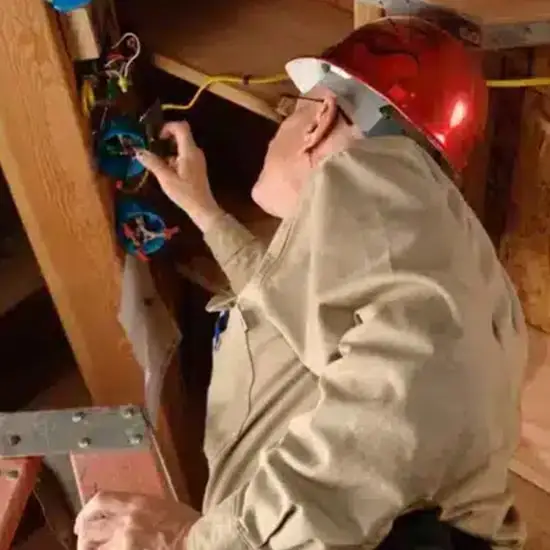

PRE PURCHASE BUILDING INSPECTION HAWTHORN
Investing in property is a major financial commitment—a Pre Purchase Building Inspection protects that investment. Our comprehensive reports are prepared by inspectors with extensive knowledge and experience of the local market.
Pre Purchase Building Inspections go beyond basic assessments. Each property receives a thorough evaluation from the foundation through the roof structure. Our trade-qualified inspectors assess structural components, weathertightness systems, electrical installations, and plumbing infrastructure in accordance with AS 4349.1-2007.
Schedule your Pre-Purchase Building Inspection to receive your report within 24-48 hours. Every report includes moisture testing results, structural analysis, and detailed documentation to support confident property negotiations.
WRITTEN BUILDING INSPECTION
Professional and Reliable Inspection reports to AS4349.1 reporting Standards
METH TESTING
Same-day onsite testing with your building inspection in all suburbs
VERBAL BUILDING INSPECTION
On site or over the phone verbal overview for time critical decisions




Hawthorn's Unique Building Challenges
Location Context
Hawthorn sits about five kilometres east of the Melbourne CBD, on the south bank of the Yarra River, within the City of Boroondara. The suburb developed from the 1850s as a garden suburb for Melbourne's professional and merchant classes, and its housing stock reflects that history — large villas on generous grounds, well-proportioned terraces, and some of Melbourne's finest examples of Victorian Italianate and Federation Queen Anne architecture.
The physical constraints are the same as those facing the inner suburbs: highly reactive clay soils, flood risk along the Gardiner's Creek and Yarra River corridors, and extensive heritage overlays that affect virtually every property, regardless of age.
Heritage Overlays: The Reality of Renovating in Hawthorn
Hawthorn is one of Melbourne's most heavily heritage-controlled suburbs. Boroondara Council's Heritage Overlay covers multiple precincts — including the Harcourt Street precinct, the St James Park Estate precinct, and numerous individually listed heritage places. The 2019 Amendment C284 added seven new heritage precincts and extended four existing ones, bringing more properties under heritage protection.
The result is that a large proportion of Hawthorn's housing stock is subject to permit requirements for external alterations, including window replacements, re-roofing in non-original materials, fence changes, and painting of previously unpainted brickwork.
For buyers, the financial implications are significant. A heritage-compliant renovation costs more than a non-heritage equivalent because it requires matching original materials, engaging heritage architects, and navigating a more complex approval process. Adding a second storey to a Victorian or Edwardian home in a heritage precinct — a common aspiration given the cost of land in this suburb — will trigger a full heritage assessment.
Boroondara Council's approach requires that upper additions be set back 6 to 8 metres from the front facade and use sympathetic materials. The approval process typically adds 3 to 4 months to standard timeframes.
From an inspection perspective, unauthorised work is a recurring theme even at this price point. We regularly find bathroom renovations, window replacements, and rear decking that were carried out without the required permits. These may not be fatal to a sale, but they create issues with insurance and resale disclosure that buyers need to understand before settlement.
Foundation Movement: The Cost of 150 Years on Reactive Clay
The foundation issues in Hawthorn are more severe and more expensive than in most other suburbs because the housing stock is older, the footings shallower, and the soil reactivity just as high. Many of Hawthorn's Victorian homes were built on bluestone footings — large blocks of bluestone laid directly onto the clay — or on shallow brick footings that extend only 300 to 500 millimetres below ground level.
These footings are entirely within the zone of seasonal moisture change, which means they move with the seasons.
The drought of the late 1990s and 2000s was particularly damaging across Hawthorn. The prolonged dry period caused deep desiccation of the clay soils, and homes that had been stable for a century suddenly began to crack significantly. When the rains returned, the ground rebounded — but not uniformly.
The result is that many properties in Hawthorn have experienced more foundation movement in the last 25 years than in the previous 100.
The cost of remediation varies with the severity. Minor cracking that has stabilised can be monitored and repaired cosmetically. Active movement with cracks exceeding 5 millimetres, out-of-level floors, and doors that won't close typically requires underpinning — installing deeper concrete footings that extend below the zone of moisture change.
The cost of a typical Hawthorn terrace house ranges from $15,000 to $40,000, depending on access and the number of footing pads required.
For buyers, the critical distinction is between historic movement that has stabilised and ongoing movement. Crack monitors, floor level surveys, and an experienced inspector can usually make this determination. A property that has been underpinned and is stable is generally a lower risk than one that is still moving.
Flood Risk: Gardiner's Creek and the Yarra River Corridor
Hawthorn sits within the Gardiner's Creek catchment and the Yarra River corridor, and a significant portion of the suburb is at risk of flooding. Boroondara Council's 2016 flood mapping study identified approximately 5,800 properties across the municipality at risk of flash flooding during rare rainfall events.
The Special Building Overlay (SBO) and Land Subject to Inundation Overlay (LSIO) apply to many properties, particularly those in the lower-lying areas near Gardiner's Creek and the Yarra River.
The flood risk in Hawthorn is primarily from stormwater overland flows during high-intensity rainfall events that overwhelm the underground drainage system. The area has four main stormwater drains that discharge into the Yarra River at Wallen Road, and when these are at capacity, water backs up through the street network. Properties in the low-lying areas around Gardiner's Creek are also subject to creek flooding during prolonged rain events.
For existing homes, the practical effect is that basement areas, subfloor spaces, and ground-floor levels can be at risk of water ingress during major storms. For anyone planning renovations — and particularly for basement excavations or ground-floor extensions — the flood overlay introduces additional approval requirements, including Melbourne Water consent.
Tree Root Interaction with Shallow Footings
Hawthorn's tree canopy is one of its most valued assets, and it's also one of the most significant sources of building damage. The mature plane trees, oaks, and elms that line the suburb's best streets have root systems that extend well beyond their canopies. On reactive clay soils, these roots draw moisture from the ground during the growing season, causing the clay to shrink differentially beneath the building's footings.
The effect is most pronounced on properties where the tree is close to the building, within 5 to 10 metres. The damage pattern is characteristic: diagonal cracking in the brickwork on the side of the house closest to the tree, a noticeable floor slope in the same direction, and doors and windows on that elevation that have shifted out of alignment.
In some cases, the movement is seasonal — worse at the end of summer, when the tree has drawn the most moisture, and partially recovering in winter, when the ground rehydrates.
Mitigation options include root barriers, tree pruning (which must be done in consultation with the council, as many of these trees are protected), and soil moisture management. But these measures are not always effective, and for properties with severe movement, underpinning may be the only permanent solution. Buyers should be aware that the cost of managing tree-related foundation movement can be high and ongoing.
Apartment and Townhouse Development Defects
Hawthorn has seen significant apartment and townhouse development in recent decades, particularly along the Glenferrie Road and Burwood Road corridors. The defect profile of these newer buildings follows the broader inner-Melbourne pattern, with some additional considerations specific to Hawthorn.
Waterproofing failures are the most common defect in newer apartments. Leaking showers, failed balcony membranes, and poor drainage on rooftop terraces are standard findings. At least one Glenferrie Road apartment building has been required to replace its cladding through the Cladding Safety Victoria program, indicating that combustible cladding is an issue in Hawthorn as well.
The owners' corporation records are critical for anyone buying into a newer apartment building. The sinking fund balance, any outstanding defect claims, and the building's compliance history should be reviewed as part of the pre-purchase due diligence. In buildings with combustible cladding, the remediation timeline and cost allocation must be clearly understood before purchase.
Era-Specific Housing Stock Risk Profile
Victorian-era villas, mansions, and terraces (1850s–1890s): The dominant older housing type in Hawthorn. Solid brick or rendered masonry construction on shallow bluestone or brick footings, slate or corrugated iron roofs, timber sash windows, cast-iron verandah elements. Rising damp is near-universal. Foundation movement due to reactive clay and tree-root interaction is the most significant and expensive long-term risk. Roof decay around flashings, chimneys, and box gutters is standard. Roof structure sagging from modern tiles replacing lighter slate is a specific concern.
Federation and Edwardian-era homes (1900–1920): Queen Anne and Federation Arts and Crafts styles, particularly in the mansion precincts. Red brick with render and roughcast embellishments, terracotta or slate roofing. Similar foundation issues to the Victorian stock, with the additional risk of decorative timber elements — verandah fretwork, gable infill — affected by rot where paint systems have broken down.
Interwar housing (1920s–1940s): Scattered through Hawthorn, including California bungalows, Tudor-style homes, and Art Deco flats. Generally better footings, but still on reactive clay. Terracotta tile roofing is approaching the end of its life. Asbestos in eaves and cladding is a consideration. Original services — plumbing, electrical — are at or past service life.
Mid-century apartments and units (1950s–1970s): A significant portion of Hawthorn's medium-density stock. Concrete cancer from corroded reinforcement in exposed slabs and balconies is the dominant issue. Failed waterproofing in planter boxes and podium decks. Original services are approaching the end of life. Cladding from this era may present fire safety issues under current standards.
Late 20th-century townhouses (1980s–1990s): Generally better construction than the post-war stock, but footing design for reactive clay was still evolving. Termite protection, where installed, has likely expired. Plumbing is approaching the end of its life.
Contemporary apartments and townhouses (2000s onward): Waterproofing failures in wet areas are the most common defect, and combustible cladding in some buildings. Acoustic separation is often inadequate. The financial health of the owners' corporation and the adequacy of the sinking fund are critical areas of assessment.
Recent Inspection Examples
Example 1 — Victorian terrace, heritage precinct, Hawthorn
A double-fronted Victorian terrace in a heritage precinct, beautifully presented with restored cast-iron verandah, polished floorboards, and a high-end kitchen and bathroom renovation. The inspection revealed significant foundation movement.
The brickwork above the front sitting room window showed a diagonal crack approximately 6 millimetres wide at its widest point, and the floor in the same room had a slope of roughly 35 millimetres across the room's width. The crack had been patched and painted over at least twice.
The cause was a combination of reactive clay soils and a large plane tree in the nature strip approximately 4 metres from the front wall. The tree's root system was drawing moisture from the clay beneath the front footings, causing differential settlement. The movement was assessed as ongoing.
Estimated cost of underpinning the front wall: $25,000–$35,000.
Example 2 — 2000s apartment, Glenferrie Road
A two-bedroom apartment in a 2007-built complex near Glenferrie Road. The building had recently completed a cladding rectification program under the Cladding Safety Victoria scheme. The individual unit presented well, but the inspection identified a failed balcony waterproofing membrane — moisture readings on the concrete slab outside the living room sliding door exceeded 60 per cent, and there was evidence of water tracking along the wall junction.
The owners' corporation had budgeted for the replacement of balcony membranes across the building for the next financial year, with an estimated levy of $12,000 per unit. The buyer proceeded with the purchase but factored the levy into their offer.
We offer building inspections across Australia — Sydney, Perth, Adelaide, Canberra, Tasmania and Darwin.
Sydney locations include: Craigieburn, Point Cook, Pakenham, Reservoir, Tarneit, Berwick, Werribee, Glen Waverley, Richmond, Brunswick, Narre Warren, South Yarra, Doncaster, Cranbourne, Southbank, Sunshine and St Kilda.
