
Building Inspection Tarneit
BUILDING REPORT TARNEIT
Residential & Commercial Building Reports
Our Working Process
Book
Confirm
Inspect
Report
An on-site or over-the-phone verbal overview for time-critical decisions. Useful when you need an answer before an auction, a deadline, or a multi-offer situation.
Pre-purchase inspections occur before you make an offer or after acceptance, giving you crucial information about the property’s condition before you finalise your investment.
TESTING
Same-day on-site meth screening at your property. You'll know whether contamination is present before you commit to the purchase.
A pest inspection checks accessible areas of an Australian property for termites, borers, fungal decay and conditions that attract timber pests.
Builders Report Tarneit
What Our Inspectors Typically Find
Tarneit listings often sell the western growth story — wide frontages, double garages, neat estate streetscapes, and bright family interiors built for open-home photography. That presentation can understate how a house performs on Wyndham’s inland volcanic plain, where highly reactive clay, flat allotments, volume-built delivery, and intense storm bursts combine to produce moisture and movement issues that rarely show up in a quick walk-through.
The housing stock is overwhelmingly volume-built brick veneer from the mid-2000s through to current greenfield releases, with townhouse and smaller-lot detached product increasing near Tarneit station and main road corridors. Roofing is commonly concrete terracotta tile, Colorbond-style metal, or a mix, with alfresco additions, porch roofs, and second living zones added after the original build. Engineered waffle raft and stiffened slab systems are widespread, yet perimeter moisture, paving falls, and roof discharge still drive many of the defects buyers encounter within the first fifteen years.
Roof and stormwater performance remain core inspection themes. We regularly document blocked gutters after dry summers, debris-loaded valleys on multi-plane roofs, sagging brackets, and downpipes that terminate on paths or garden beds rather than connected pits. Tarneit catches sharp summer storms and sustained winter rain; when bedding and pointing fatigue on tiled sections, or penetration seals around flues and solar mounts age, ceiling staining can appear quickly in zones that looked pristine at the first inspection.
Site drainage on very flat allotments is equally critical. Many estates were finished with immature turf and shallow spoon drains that later failed to keep pace with garden maturation, raised edging, and owner-added paving. We commonly find ponding in runoff at garage thresholds, side passages, and alfresco slabs — areas where buyers assume an engineered raft slab eliminates all moisture risk at the building line.
Internally, wet-area defects appear even in relatively young homes: failed silicone at shower screens, slow leaks at laundry trough wastes, flexi-hose weeps under vanities, and swelling at bathroom door thresholds. Investor-held stock and quick cosmetic refreshes can conceal historical moisture until skirting softness, odour, or mould spotting returns after heavy rain.
Reactive clay behaviour is the dominant underlying theme across Tarneit. Soils in Wyndham are commonly classed with higher reactivity, and seasonal shrink and swell can produce stepped brick cracking, binding doors, and recurring gaps at architraves — sometimes dismissed as minor settlement on a house that is only ten years old. Where raft footings perform structurally, but site works later concentrate water against one slab edge, movement and damp signatures can localise sharply while the opposite elevation appears unaffected.
Timber pest pressure is practical given wetland corridors, maturing street trees, and gardens that establish quickly on former farmland. We frequently note conducive conditions — timber in ground contact, bridged barriers, stored materials blocking ventilation paths, and persistently damp soil beside slab edges — even when active infestation is not visible on the day.
The standout local risk we emphasise for Tarneit buyers is highly reactive clay movement on waffle-raft and stiffened-slab housing, amplified by perimeter moisture from estate drainage habits and landscaping changes — especially where roof runoff, irrigation, and paving repeatedly wet the ground beside the slab, even as the home still presents as near-new.
Maintenance culture varies among long-term owner-occupiers, investors, and first-home buyers, assuming that volume-built stock requires little proactive upkeep. Our inspections focus on factors that will shape ownership costs after settlement: roof and stormwater discipline, wet-area integrity, slab-edge moisture, movement patterns tied to soil behaviour, and timber pest pathways.
+
+
BUILDING INSPECTOR TARNEIT
24-48 Hour Report Delivery Guaranteed
Looking for a Building Inspector in Tarneit? Our trade-qualified inspectors provide thorough building reports within 24-48 hours, combining speed with meticulous attention to detail.
Our building inspection service is perfect for time-sensitive property purchases. Each inspector carries professional indemnity insurance and brings deep knowledge of your local market and common building challenges. All inspections comply with AS 4349.1-2007 standards for comprehensive, reliable assessments.
Property buyers rely on our inspection expertise for accurate, actionable assessments. Every report delivers a complete structural evaluation, weather-tightness analysis, and maintenance requirements—giving you the information you need to make confident purchasing decisions on schedule.
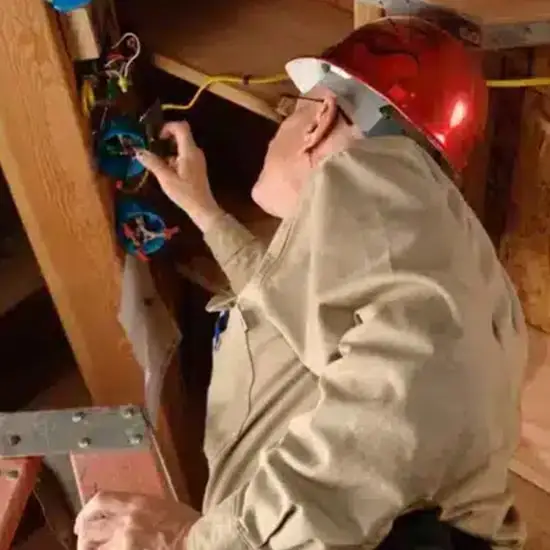

PRE PURCHASE BUILDING INSPECTION TARNEIT
Investing in property is a major financial commitment—a Pre Purchase Building Inspection protects that investment. Our comprehensive reports are prepared by inspectors with extensive knowledge and experience of the local market.
Pre Purchase Building Inspections go beyond basic assessments. Each property receives a thorough evaluation from the foundation through the roof structure. Our trade-qualified inspectors assess structural components, weathertightness systems, electrical installations, and plumbing infrastructure in accordance with AS 4349.1-2007.
Schedule your Pre-Purchase Building Inspection to receive your report within 24-48 hours. Every report includes moisture testing results, structural analysis, and detailed documentation to support confident property negotiations.
WRITTEN BUILDING INSPECTION
Professional and Reliable Inspection reports to AS4349.1 reporting Standards
METH TESTING
Same-day onsite testing with your building inspection in all suburbs
VERBAL BUILDING INSPECTION
On site or over the phone verbal overview for time critical decisions




Tarneit's Unique Building Challenges
Tarneit sits in Wyndham’s western growth belt — inland from the bay, linked by rail to the CBD, and still absorbing large precinct releases around station hubs and freeway-oriented estates. For buyers, that matters because defect economics are tied to some of Melbourne’s more reactive residential soils, flat-site hydraulics, and volume delivery patterns — not only to the contract's age.
Highly reactive clay and the “engineered slab” assumption
Tarneit’s newer housing commonly sits on waffle-raft or stiffened-slab systems designed for higher-reactivity profiles. That engineering addresses structural loads associated with clay movement, but it does not render perimeter habits irrelevant.
Inspectors still see localised stepping cracks at garage returns, stiff sliding doors after wet winters, efflorescence at slab edges, and plaster patch lines that reopen on the same elevation. Buyers sometimes treat an engineered slab as proof the site is “sorted,” yet disconnected downpipes, irrigation against brickwork, and paving with negative fall toward alfresco thresholds can feed moisture beside the footing line and sharpen movement on one flank of the house.
Two homes on the same estate stage can diverge sharply if one owner raised garden beds against weep holes, added a water feature, or paved a side path without ensuring proper drainage away from the slab.
Flat inland allotments, estate stormwater, and shared runoff
Much of Tarneit was subdivided on very flat ground, with estate-scale pits, spoon drains, and rear lanes that require ongoing maintenance. Inspectors still find pit lids paved over, mulch burying grated inlets, downpipes shortened to splash beside paths, and rear driveways that subtly reverse falls toward garage slabs after years of vehicle use.
Townhouse and small-lot detached product near the station adds boundary-sharing effects. A neighbour’s downpipe extension, a late pergola, or a retained edge can redirect sheet flow across mutual turf during a short, intense storm. Symptoms may present as a “mystery damp wall” while the main roof field appears sound — the mechanism is often hydraulic concentration at a flank rather than a failed wet area.
Western sun exposure in many estate orientations accelerates the aging of exterior sealants, door weatherstrips, and expansion joints more than buyers expect. Minor gaps at joinery, then admit driven rain at elevations that already carry a higher moisture load from drainage concentration.
Volume delivery waves and interface risk
Tarneit’s development timeline spans early western estates through station-adjacent releases and continuing greenfield stages — each with tight blocks, narrow side setbacks, and stormwater infrastructure that only works when every lot maintains discharge discipline.
Volume delivery concentrates risk at alfresco slabs, porch roofs, and outdoor structures added after handover. New valleys and penetrations collect debris and test the continuity of flashing. Where second-stage outdoor rooms were built without revisiting roof discharge, overflow can track into eaves and ceiling interfaces that looked sound from the street.
### Skeleton Creek catchment influence and lower-site humidity
Proximity to Skeleton Creek tributaries and wetland reserves does not automatically mean inundation of living areas. Still, it can sharpen humidity in garages, store rooms, and lower site zones during extended wet sequences — especially where natural drainage paths were altered during subdivision and estate finishing.
We often document elevated moisture at slab perimeters, musty notes in adjoining laundries, and gardens that hold water against façades after multi-day rain. Those findings still matter for drainage review and timber pest monitoring because termites exploit consistent damp-soil contacts even when interiors appear dry.
Era-specific risk profile
Mid-2000s to early-2010s estate housing is now entering a maintenance-intensive phase for roof pointing, valley trays, flexible connectors, and original silicone joints — while reactive movement may surface at garage returns and large openings if perimeter moisture has been unmanaged through several wet seasons.
Current greenfield and townhouse product shifts emphasis toward pavement falls at alfresco doors, stormwater connection finishing, lightweight partition damage from undocumented ceiling access, and rapid garden maturation, changing moisture against façades within the first five years of ownership.
Older fringe pockets, while limited compared with inner suburbs, may include early brick stock with conventional footings and longer renovation histories — mixed roof materials, enclosed patios, and wet areas upgraded without full rebuild sequencing.
Renovations, documentation, and practical verification
Tarneit renovates actively — open-plan living, garage conversions, outdoor kitchens, and studio additions. Where the council permits and engineering exists for structural changes, they help buyers understand the stated intent; inspectors still verify the execution of vulnerable junctions, such as deck ledgers, lintel bearings, and removed walls, as well as the quality of wet-area rebuilds after tiled showers replace simpler trays.
Near-new homes are not immune to costly surprises when warranty periods have lapsed, and defects sit in drainage, soil interaction, or workmanship at interfaces rather than headline structural failure.
Recent Inspection Examples
Example 1: Station-belt townhouse with boundary downpipe clustering and one-flank skirting swell
We inspected a modern townhouse presented with fresh paint and updated floor coverings. The buyer noted intermittent swelling at ground-floor skirtings along one party-adjacent wall after storms, with no ceiling stains upstairs. Roof space over the affected zone was dry in the main valleys.
Externally, three downpipes from adjoining lots discharged toward a narrow side court with a grated pit that sat partially obstructed by recent garden edging; paving falls directed runoff toward the same elevation. Moisture mapping showed elevated levels only along that wall.
The pattern linked shared hydraulic concentration and pit maintenance — not an internal plumbing failure — reframing priorities toward drainage restoration and discharge repositioning rather than repeated skirting replacement.
Example 2: Detached estate home with waffle slab edge movement and a disconnected stormwater run
A single-storey brick-veneer house marketed as immaculate family stock showed diagonal cracking at the front garage return and a binding front door after the previous wet season. Roof tiles were generally serviceable; attic staining did not align with the cracking zone.
Along the same elevation, a downpipe shoe had been removed during prior painting and never reconnected, discharging roof water onto a garden bed raised above the weep hole line. Moisture indicators at internal skirtings on that flank were elevated compared with the rear of the house.
The finding separated roof renewal urgency from perimeter moisture feeding reactive clay beside the raft edge — a combined soil-and-hydraulics story invisible in photographs of the renovated open-plan living area.
In Tarneit, the strongest inspection outcomes treat highly reactive soil behaviour, flat-site drainage, and roof stormwater as one connected system. When those elements are aligned, upkeep stays predictable; when they are not, defects recur, and ownership costs can escalate faster than the suburb’s “new estate” reputation suggests.
We offer building inspections across Australia — Sydney, Perth, Adelaide, Canberra, Tasmania and Darwin.
Sydney locations include: Craigieburn, Point Cook, Pakenham, Reservoir, Berwick, Werribee, Glen Waverley, Richmond, Brunswick, Narre Warren, South Yarra, Doncaster, Cranbourne, Hawthorn, Southbank, Sunshine and St Kilda.
