Building Inspection South Yarra
BUILDING REPORT SOUTH YARRA
Residential & Commercial Building Reports
Our Working Process
Book
Confirm
Inspect
Report
An on-site or over-the-phone verbal overview for time-critical decisions. Useful when you need an answer before an auction, a deadline, or a multi-offer situation.
Pre-purchase inspections occur before you make an offer or after acceptance, giving you crucial information about the property’s condition before you finalise your investment.
TESTING
Same-day on-site meth screening at your property. You'll know whether contamination is present before you commit to the purchase.
A pest inspection checks accessible areas of an Australian property for termites, borers, fungal decay and conditions that attract timber pests.
Builders Report South Yarra
What Our Inspectors Typically Find
South Yarra occupies a unique space in Melbourne's property market. It's one of the city's most prestigious addresses, and the price tags reflect that — but price is no guarantee of condition. The suburb's housing stock spans everything from grand Victorian villas and terrace rows on tree-lined boulevards to 1990s apartment blocks and brand-new luxury developments.
The common thread is that every category has its own set of defects, and some of the most expensive properties we inspect hide the most expensive problems.
The Victorian and Edwardian housing that dominates the streets between the Yarra River and Toorak Road was built from the 1850s through the 1880s land boom. These are mostly brick Italianate terraces and villas, with slate or corrugated galvanised steel roofs, timber sash windows, cast-iron verandah detailing, and the kind of decorative brickwork that defines Melbourne's inner-south heritage streetscapes.
They were built on shallow footings — bluestone or brick — onto clay soils that have been moving beneath them for 140 years.
Rising damp is the most consistent finding in South Yarra's older properties. These solid brick walls were never designed with modern damp-proof courses, and where original barrier courses exist, they are almost always compromised.
The suburb's mature street trees deposit leaf litter in gutters and downpipes year-round, and the garden beds along many of these terraces have been built up above the damp-proof course level over decades of landscaping.
The result is moisture wicking up through the brickwork, carrying soluble salts with it, causing spalling and internal plaster damage that many owners learn to live with rather than properly fix.
Roof defects are another constant. Slate roofs from the Victorian period are approaching or past 130 years of service. Even where they've been replaced, the newer roofing is often installed over original roof framing that is showing its age. Deteriorated flashings around party walls and chimneys, rusted box gutters, and blocked valley gutters are standard.
Because so many of these properties are attached terraces, the roof cavities are often difficult to access, and problems can go undetected for years — until the ceiling stain appears in the second-floor bedroom.
Subfloor conditions in South Yarra's older homes are frequently poor. Many sit on unlined brick piers with dirt floors, with minimal subfloor ventilation and no vapour barrier. The junction between the original construction and later alterations — an added rear extension, a bathroom renovation, new plumbing — is where most of the problems concentrate.
We regularly find plumbing leaks that have been dripping into the subfloor for so long that the joists and bearers are showing active decay. In attached terraces, the party wall subfloor spaces are often inaccessible from either side, so concealed decay can go unnoticed until it becomes a structural issue.
The standout risk in South Yarra — and the one most frequently underestimated by buyers paying a premium for location — is the combination of reactive clay soils and tree-root activity from the suburb's magnificent mature street trees. Plane trees, oaks, and elms line many of South Yarra's best streets, and their root systems draw enormous amounts of moisture from the clay soil during summer. This causes differential soil desiccation and uneven settlement of the shallow footings beneath.
The result is diagonal cracking in brickwork, sloping floors, and doors that no longer align with their frames. After heavy rain, the soil rehydrates and swells, pushing the footings back — often not to their original positions. This seasonal cycle creates ongoing movement that no amount of cosmetic patching will fix.
The flip side of South Yarra is its modern apartment stock, which presents a completely different defect profile. Waterproofing failures in bathrooms and on balconies are the single most common defect in newer buildings. We also see combustible cladding issues, inadequate acoustic separation between units, and — in the worst cases — structural defects that require multimillion-dollar remediation programs.
The South Yarra Square building at 100 Commercial Road is a high-profile example of what can go wrong: a 46-unit complex facing an estimated $24 million repair bill for flammable polystyrene panels, compromised foundations, basement flooding, and leaking sewage pipes. Individual owners in that building face special levies of $400,000 or more. That's an extreme case, but it's not an isolated one.
+
+
BUILDING INSPECTOR SOUTH YARRA
24-48 Hour Report Delivery Guaranteed
Looking for a Building Inspector in South Yarra? Our trade-qualified inspectors provide thorough building reports within 24-48 hours, combining speed with meticulous attention to detail.
Our building inspection service is perfect for time-sensitive property purchases. Each inspector carries professional indemnity insurance and brings deep knowledge of your local market and common building challenges. All inspections comply with AS 4349.1-2007 standards for comprehensive, reliable assessments.
Property buyers rely on our inspection expertise for accurate, actionable assessments. Every report delivers a complete structural evaluation, weather-tightness analysis, and maintenance requirements—giving you the information you need to make confident purchasing decisions on schedule.

PRE PURCHASE BUILDING INSPECTION SOUTH YARRA
Investing in property is a major financial commitment—a Pre Purchase Building Inspection protects that investment. Our comprehensive reports are prepared by inspectors with extensive knowledge and experience of the local market.
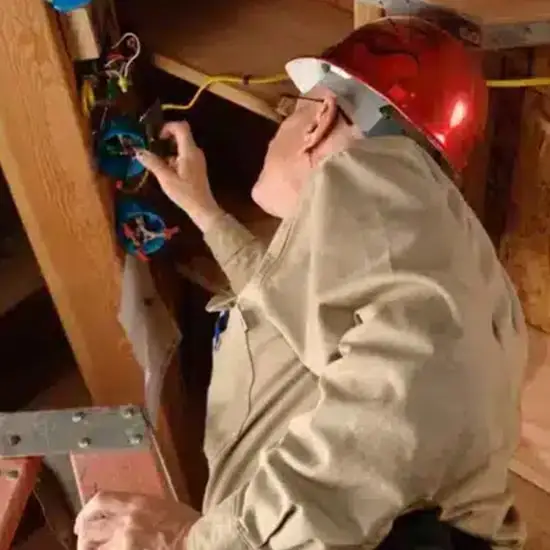
Pre Purchase Building Inspections go beyond basic assessments. Each property receives a thorough evaluation from the foundation through the roof structure. Our trade-qualified inspectors assess structural components, weathertightness systems, electrical installations, and plumbing infrastructure in accordance with AS 4349.1-2007.
Schedule your Pre-Purchase Building Inspection to receive your report within 24-48 hours. Every report includes moisture testing results, structural analysis, and detailed documentation to support confident property negotiations.
WRITTEN BUILDING INSPECTION
Professional and Reliable Inspection reports to AS4349.1 reporting Standards
METH TESTING
Same-day onsite testing with your building inspection in all suburbs
VERBAL BUILDING INSPECTION
On site or over the phone verbal overview for time critical decisions




South Yarra's Unique Building Challenges
Location Context
South Yarra sits on the south bank of the Yarra River, about three kilometres from the Melbourne CBD, within the City of Stonnington. The suburb straddles two distinct topographies: the elevated ground along the Toorak Road ridge, where the grand Victorian mansions and villas sit on deep clay soils, and the lower-lying land closer to the river, much of which was originally marshland that was drained and developed in the late 19th century.
This split in ground conditions — combined with one of Melbourne's most expensive property markets, extensive heritage controls, and a building boom in apartment construction — creates an inspection environment where the risks are high, and the stakes are even higher.
Flood Risk and the Special Building Overlay
A significant portion of South Yarra lies within a flood-prone area, particularly the lower-lying parts near the Yarra River and along the commercial corridors, where stormwater drainage infrastructure is under pressure. The City of Yarra Flood Mapping Project, developed in conjunction with Melbourne Water, has identified that large areas of South Yarra are subject to stormwater and overland flooding when the drainage network is overwhelmed by intense rainfall.
The Special Building Overlay (SBO) applies to many properties, and a planning permit is required for buildings and works — including fences, decks, and pergolas — in SBO-affected areas to ensure that development does not obstruct flood flows or increase risk to adjoining properties.
For existing homes, the practical effects of flood risk are most visible in basements, subfloor spaces, and ground-floor levels. Properties built in the 19th century on the former marshlands often have floor levels that sit at or below the current nominated flood level. During major storm events — and these are becoming more frequent — these properties can experience water ingress through subfloor vents, door thresholds, and the slab edge.
The periodic saturation of the clay subsoils in these areas also accelerates the foundation movement cycle, because the ground swells unevenly when wet and then contracts and cracks during dry periods.
Anyone buying a property in the lower parts of South Yarra should check whether it sits within a Special Building Overlay area and whether any flood mitigation measures have been implemented — such as raised floor levels, backflow prevention, or upgraded drainage. An inspection should include a close look at the subfloor and any basement areas for evidence of past water ingress.
Heritage Controls and the Cost of Renovation
Heritage overlays administered by Stonnington Council heavily cover South Yarra. Multiple heritage precincts cover the Victorian and Edwardian residential areas, and individually listed heritage places are scattered throughout. The practical effect is that a large proportion of South Yarra's older housing stock is subject to permit requirements for external alterations, including window replacements, re-roofing in non-original materials, fence changes, and even painting previously unpainted brickwork.
For buyers, the financial implications can be significant. A heritage-compliant renovation is almost always more expensive than a non-heritage equivalent because it requires matching original materials, engaging heritage architects, and navigating a more complex approval process.
Adding a second storey to a Victorian terrace in a heritage precinct — a common desire given the cost per square metre in this suburb — will almost certainly trigger a full heritage assessment. Stonnington Council's approach to heritage protection has been tested at VCAT multiple times, and the general pattern is that contemporary additions are allowed but must be clearly distinguishable from the original fabric, subservient in scale, and located to the rear wherever possible.
The angle of the inspection here is that unauthorised work is surprisingly common in South Yarra, even at this price point. We regularly find bathroom renovations, window replacements, and rear decking that were carried out without the required permits. These aren't necessarily deal-breakers, but they create potential issues with insurance and future resale that buyers need to know about before settlement.
Modern Apartment Defects: A Growing Concern
South Yarra has seen intense apartment development over the past two decades, and the defect profile of this newer stock is a growing concern for buyers. The Cladding Safety Victoria research released in 2024 found that nearly 50 per cent of buildings with combustible cladding also have non-cladding defects, with balconies being the most common defect location.
Water and moisture-related damage was present in 38 per cent of affected buildings, and one-third had missing or insufficient waterproofing. Importantly, 78 per cent of impacted buildings had been constructed within the last ten years.
Waterproofing failures are the number one defect we find in South Yarra apartments. Leaking showers, failed balcony membranes, and poor drainage on rooftop terraces are all common. The issue is that these defects are often concealed at the time of inspection — the shower looks fine, the balcony looks dry — but the water damage behind the tiles or beneath the membrane tells a different story.
Thermal imaging and moisture meter testing during an inspection can identify problems that are invisible to the naked eye.
Beyond waterproofing, the other major concern is the financial health of the owners' corporation. The sinking fund and the building's compliance history tell you a lot about what you're taking on. If there are outstanding cladding issues, unresolved waterproofing claims, or a sinking fund that's been run down to keep fees low, the risk of a future special levy is high.
The South Yarra Square case is the end of the spectrum, but less dramatic examples are everywhere. A $10,000 or $20,000 special levy for balcony waterproofing or facade repairs is not unusual.
Tree Root Interaction with Shallow Footings
South Yarra's tree canopy is one of the suburb's greatest assets and one of its most underappreciated building risks. The mature plane trees, oaks, and elms that line streets like Darling Street, Walsh Street, and Kensington Road have root systems that extend far beyond their canopies. On reactive clay soils, these roots draw moisture from the ground during the growing season, causing the clay to shrink differentially beneath the building's footings.
The effect is most pronounced on South Yarra's Victorian terraces, which sit on shallow brick or bluestone footings that lack reinforcement and a deep foundation to resist movement. The characteristic damage pattern is a combination of diagonal cracking in the brickwork above windows and doors, a slope in the ground-floor timber floors that follows the direction of the tree root influence, and sticking doors and windows on the side of the house closest to the tree.
Mitigation options exist — root barriers, pruning, soil moisture management — but they need to be implemented carefully and in consultation with the council, since many of these trees are protected. For buyers, the key question is whether the movement is historic and the building has stabilised, or whether it's ongoing.
That's not always easy to determine from a single inspection, but crack monitors, floor level readings, and the pattern of internal cracking all provide useful evidence.
Era-Specific Housing Stock Risk Profile
Victorian-era terraces and villas (1850s–1890s): The dominant older housing type. Solid brick construction on shallow bluestone or brick footings, slate or corrugated iron roofs, timber sash windows, and cast-iron verandah elements. Rising damp is near-universal where damp-proof courses have been bridged.
Roof decay around flashings, valleys, and box gutters is standard. Foundation movement due to reactive clay and tree-root interaction is the most significant long-term risk. Party walls between attached terraces can conceal structural issues, including bowing and inadequate lateral restraint.
Edwardian and Federation-era homes (1900–1920): Present in smaller numbers, typically with red-faced brick or render and terracotta or corrugated iron roofing. Common issues include rusted roof sheeting, failed damp-proof courses, and decorative timber elements affected by rot where paint systems have broken down.
Interwar apartments and flats (1920s–1940s): Scattered through South Yarra, particularly along main roads. Solid brick or brick veneer construction with terracotta tile or corrugated asbestos cement roofing. Asbestos in eaves, wall cladding, and roof sheeting is a significant consideration. Original plumbing — often galvanised iron or early copper — is typically at or past the end of life.
Post-war and 1960s–1980s apartment blocks: A significant portion of South Yarra's medium-density stock. Typical defects include concrete cancer from corroded reinforcement in exposed slabs and balconies, failed waterproofing in planter boxes and podium decks, and original building services approaching the end of their life. Cladding from this era — particularly the lightweight panels and metal sheeting — may present fire safety issues under current standards.
1990s–2000s apartment buildings: The era that produced the current wave of defect discovery. Waterproofing failures in bathrooms and on balconies are the dominant issue. Combustible cladding was widely used in this period, and many buildings are still working through remediation programs. Acoustic separation between units is often inadequate. The owners' corporation documentation should be scrutinised for any outstanding claims or levy notices.
Contemporary luxury apartments (2010s onward): Generally better construction quality than the preceding era, but not immune to defects. Poor waterproofing in wet areas remains the most common finding. Many new buildings have extensive common property — swimming pools, gyms, landscaped podiums — that require ongoing maintenance that buyers may not have budgeted for. The sinking fund adequacy should be assessed as part of any pre-purchase inspection.
Recent Inspection Examples
Example 1 — Victorian terrace, central South Yarra
A single-fronted Victorian terrace with a heritage overlay, beautifully presented with restored cast-iron verandah, polished floorboards, and a high-end kitchen renovation. The inspection revealed that the rear extension — a two-storey addition built in the late 1990s — had a flat membrane roof that had failed at the junction with the original brick wall.
Water had been tracking down the cavity for years, causing extensive decay in the wall framing and a section of the first-floor joists. The decay was not visible from inside the finished spaces. The owner was unaware of the issue. Estimated remediation: $18,000–$25,000, depending on the extent of timber replacement and the cost of matching the heritage-approved roof finish.
Example 2 — 2000s apartment block, near the Yarra
A two-bedroom apartment in a 2005-built complex near the river. Presented well with quality fittings and city views. The inspection and the owners' corporation records review identified two issues. First, the building had a combustible cladding issue on the north elevation that the owners' corporation had budgeted for but not yet executed — the special levy was scheduled for the following financial year at approximately $35,000 per unit.
Second, the balcony membrane in the unit being inspected had failed, as evidenced by moisture readings of 65 per cent on the concrete slab directly outside the sliding door. The interior carpet near the door was dry, but the moisture metre told the real story. The buyer withdrew their offer after receiving the inspection report.
We offer building inspections across Australia — Sydney, Perth, Adelaide, Canberra, Tasmania and Darwin.
Sydney locations include: Craigieburn, Point Cook, Pakenham, Reservoir, Tarneit, Berwick, Werribee, Glen Waverley, Richmond, Brunswick, Narre Warren, Doncaster, Cranbourne, Hawthorn, Southbank, Sunshine and St Kilda.
