Alkimos presents like the textbook northern-corridor masterplanned community — wide verges, contemporary two-storey façades, Colorbond roofing, and tidy front gardens framed by limestone retaining walls. That first impression can understate how a home performs within Perth's coastal dune system, where sandy soils, a shallow water table, salt-laden Indian Ocean air, and estate-scale drainage design interact in ways not visible from the driveway or the agents' floor plan.
The housing stock is overwhelmingly detached, volume-built brick-veneer homes from the 2010s through current releases, concentrated in estates such as Alkimos Beach, Shorehaven, Alkimos Vista, and the emerging Alkimos Central precinct. Roofing is predominantly Colorbond-style metal sheeting on timber or steel trusses, with concrete tile on some older-vintage lots. Waffle raft slabs are standard on newer allotments. However, the combination of dune sands, limestone pockets, and tight estate drainage still drives the majority of defects we document: perimeter moisture, paving creep, and roof-fixing corrosion.
Roof and stormwater performance is a recurring theme. Coastal exposure and the "Fremantle Doctor" — the strong afternoon sea breeze — drive wind-driven rain against weather-facing elevations with more force than inland Perth suburbs experience. We regularly find corroding roof screws and fixings on metal sheet roofing, particularly on western and southern roof planes, where salt spray accumulates, and ageing fasteners lose their protective coating. Valley trays collect windblown debris, and the metalwork at roof penetrations — flues, whirlybirds, skylights — often shows accelerated corrosion and sealant failure within the first decade.
Site drainage on flat sandy lots presents a different set of challenges. Despite sand's reputation for being well-drained, the shallow limestone shelf and compacted topsoil from estate earthworks can create localised ponding. Paving creep — where concrete paths, driveways, and patio slabs subtly shift or settle toward the building over time — regularly bridges weepholes and directs surface runoff against brickwork.
We see blocked or buried soakwells, downpipes discharging directly against the slab edge, and garden irrigation that keeps the perimeter consistently damp. The result is moisture bridging at the slab level, efflorescence on garage and boundary walls, and conditions that invite termite foraging.
Termite pressure is genuinely elevated here. Alkimos sits on cleared bushland corridors where native colonies were disturbed during estate development. Sandy soils allow easy underground travel, and the combination of slab-on-ground construction, garden mulch against brickwork, and hidden subfloor voids creates favourable pathways.
We regularly find evidence of past or active subterranean termite activity in timber framing, particularly where physical barrier systems have been breached by landscaping, paving, or owner alterations.
Internally, wet-area defects appear even in relatively young homes: failed silicone at shower screens, slow leaks at flexi hoses under vanities, swelling at bathroom door jambs, and ineffective waterproofing at shower hob junctions. Investor-held stock and cosmetic refreshes can mask historical moisture until skirting softness, musty odour, or mould spotting returns after a wet winter.
The standout local risk we emphasise for Alkimos buyers is coastal salt corrosion across metal roof fixings, flashings, and exposed fittings, combined with termite pressure and drainage creep on sandy dune allotments — especially where masterplanned estate delivery, rapid construction programs, and owner landscaping changes have introduced additional moisture pathways that a street-photo inspection will never reveal.
Maintenance culture varies among owner-occupiers, investors, and first-home buyers, who assume new stock requires little proactive attention. Our inspections focus on what will shape ownership costs after settlement: roof-fixing condition and stormwater-discharge discipline, perimeter drainage and weep-hole integrity, wet-area artistry, slab-edge moisture signatures, termite-barrier condition, and the early signs of salt-accelerated wear on metalwork and exposed hardware.
+
+
24-48 Hour Report Delivery Guaranteed
Looking for a Building Inspector in Alkimos? Our trade-qualified inspectors provide thorough building reports within 24-48 hours, combining speed with meticulous attention to detail.
Our building inspection service is perfect for time-sensitive property purchases. Each inspector carries professional indemnity insurance and brings deep knowledge of your local market and common building challenges. All inspections comply with AS 4349.1-2007 standards for comprehensive, reliable assessments.
Property buyers rely on our inspection expertise for accurate, actionable assessments. Every report delivers a complete structural evaluation, weather-tightness analysis, and maintenance requirements—giving you the information you need to make confident purchasing decisions on schedule.
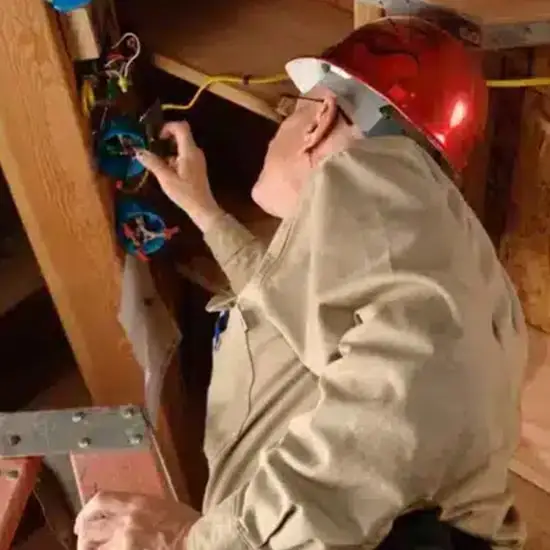

Investing in property is a major financial commitment—a Pre Purchase Building Inspection protects that investment. Our comprehensive reports are prepared by inspectors with extensive knowledge and experience of the local market.
Pre Purchase Building Inspections go beyond basic assessments. Each property receives a thorough evaluation from the foundation through the roof structure. Our trade-qualified inspectors assess structural components, weathertightness systems, electrical installations, and plumbing infrastructure in accordance with AS 4349.1-2007.
Schedule your Pre-Purchase Building Inspection to receive your report within 24-48 hours. Every report includes moisture testing results, structural analysis, and detailed documentation to support confident property negotiations.
Professional and Reliable Inspection reports to AS4349.1 reporting Standards
Same-day onsite testing with your building inspection in all suburbs
On site or over the phone verbal overview for time critical decisions




Alkimos sits on the Swan Coastal Plain, 40 kilometres north of the Perth CBD, where an ancient dune system of deep sands, limestone ridges, and shallow groundwater meets the Indian Ocean. For buyers, that context matters because defect economics here are tied as much to coastal corrosion rates and termite ecology as to the contract's calendar age.
Perth's northern coastal corridor experiences stronger and more persistent salt-laden breezes than the inner or eastern suburbs. The "Fremantle Doctor" funnels up the coast most summer afternoons, and winter storms arrive directly off the Indian Ocean. For Alkimos homes — especially those within a few kilometres of the beach — this means metal roof sheets, ridge capping, flashing, valley trays, screw fixings, and exposed balustrade hardware are under continuous salt assault.
The inspection signal is not dramatic, with rust on day one. It shows up earlier as pitting at screw heads, corrosion staining at tray overlaps, sealant cracking at penetration flashings, and slow loss of protective coating on Colorbond-style sheeting at weather-facing elevations.
Homes on the western side of estates — facing the prevailing weather — consistently display more advanced metalwork ageing at the ten-year mark than equivalent roofs on eastern lots, even when both were built by the same volume builder in the same stage.
The Alkimos roof that detached during a 2019 storm is an extreme example of inadequate tie-down engineering and supervision. Still, it exposed a broader principle here: roof-fixing specification, installation quality, and the condition of fasteners over time matter more in this coastal corridor than almost any other single building element.
Loose or corroded screws that might be a minor issue inland become entry points for driven rain, progressive loss of fixings, and, in the worst cases, sheet lift under gust conditions.
Alkimos soils are predominantly deep sands over limestone, which most residents and builders describe as "free-draining." That description is broadly accurate for vertical percolation, but it overlooks two problems we regularly encounter.
First, the limestone shelf is not uniform. Pockets of shallow rock sit close to the surface in some lots, creating localised drainage barriers that redirect lateral flow toward slab edges. After estate earthworks, the natural dune profile is reshaped, and the interface between cut and fill can act as a perch for moisture. Sandy soils also compact unevenly under heavy machinery during development, creating subtle low spots where paving and driveways later settle toward the building.
Second, the well-drained label leads owners to underestimate how easily sand moves. Paving creep — the gradual outward migration of sand under concrete slabs, pathways, and alfresco areas — is remarkably common in Alkimos.
Over several seasons, a path that once sat 50 millimetres clear of brickwork can finish flush with the slab edge, bridging weepholes and directing every drop of rainfall against the base of the wall. Weepholes designed to drain cavity air and incidental moisture become blocked, trapping moisture behind brickwork in a zone that cannot dry quickly.
The shallow water table near the coast compounds the picture. In wet winters, the groundwater table rises closer to the underside of the slab in low-lying lots, particularly those near the Shorehaven Beach interface and the wetland corridors. This does not mean habitable floors flood, but it increases subfloor humidity, accelerates corrosion at ant caps and metal vents, and sharpens conditions that attract termites to forage at the slab perimeter.
Alkimos was developed largely on native banksia and tuart woodland. Clearing for estates such as Alkimos Beach, Shorehaven, and Trinity disturbed established subterranean termite colonies that previously foraged through bushland litter and dead trees. Those colonies did not disappear — they relocated to the nearest available cellulose, namely the timber framing of newly completed houses.
The combination that makes Alkimos a genuine termite hotspot is this:
- Deep sandy soils that termites travel through easily
- Slab-on-ground construction that places timber framing close to the soil
- Garden beds, irrigation, and mulch against brickwork that create moist, hidden pathways
- Limestone that holds moisture at the slab-soil interface longer than pure sand
- Physical termite barriers that are frequently breached by landscaping, paving, and retaining wall installation after handover
We regularly document conditions conducive to termite entry — even where no active infestation is visible on the day of inspection. Mulch mounded above slab height, irrigation driplines running against brickwork, ant caps missing or corroded, subfloor vents blocked by stored materials, and timber in ground contact at deck posts and garden structures are common inspection findings. The requirement for annual termite inspections under AS 3660 is not theoretical here; many warranty policies explicitly condition coverage on documented annual checks.
Alkimos estates use limestone retaining walls extensively — at lot boundaries, along streetscapes, and around estate infrastructure such as drainage basins and park edges. The well-publicised issues at Shorehaven, where retaining walls designed and built during estate development deteriorated and became the subject of legal proceedings among the developer, designer, and builder, illustrate a local risk that buyers of established homes can inherit.
Even where walls remain structurally adequate, their interaction with lot drainage matters. Retaining walls alter surface flow paths, concentrate runoff at specific points, and can trap water against the slab edge of an adjoining house, where drainage design assumed open sheet flow across the original dune profile.
We regularly find that the downstream side of a retaining wall — particularly where it meets a boundary fence — accumulates leaf debris and silt, blocking subsoil drainage outlets and holding moisture against the return wall of a garage or alfresco area.
The volume of concurrent construction across multiple Alkimos estates has resulted in a housing stock in which build quality varies meaningfully between stages and between builders working on adjacent lots. Rapid slab pours, compressed framing programs, and finishing trades working across multiple sites simultaneously create conditions where supervision gaps translate into defects that only show up after the first few wet seasons.
Specific patterns we encounter include:
- Roof screw specification that meets minimum hold-down but uses fasteners with limited corrosion resistance for the coastal exposure zone
- Shower waterproofing that passes a static test but fails under repeated thermal movement and wind pressure on weather-exposed walls
- Downpipe connections that terminate at a soakwell but discharge above the invert, directing water back against the slab instead of into the drainage system
- Stormwater pits and grated inlets that are buried or paved over during final landscaping, with no visible access point for maintenance
2010s estate stock: (Alkimos Beach, early Shorehaven stages) is now entering a phase where original roof fixings, sealants, silicone joints, and flexible hoses are approaching the end of their first service life. Coastal corrosion of metalwork becomes apparent at this age, and the integrity of the termite barrier should be verified rather than assumed.
Late 2010s to current releases: (Alkimos Vista, Trinity, Alkimos Central) benefit from improved tie-down and termite management requirements but carry execution risks associated with compressed build programs, multiple subcontractor crews on large estates, and landscaping after handover that can compromise drainage and barriers in the first few years.
Townhouse and duplex: Products in higher-density pockets near the train station and town centre introduce shared-wall and shared-drainage interfaces, where one owner's landscaping or drainage alteration can affect an adjoining unit's slab-edge moisture profile. Party wall flashing, common-provision stormwater, and crossover drainage at lot boundaries need verification that a single-unit inspection cannot fully resolve.
Alkimos homeowners actively renovate — alfresco additions, garage conversions, patio enclosures, and outdoor kitchens are common as families settle. Each alteration introduces roof junctions, additional downpipes, and slab interfaces that were not part of the original engineered design.
The risk is not that these changes are inherently defective, but that they concentrate runoff, bridge waterproofing layers, and alter site drainage paths in ways that are not obvious until the first heavy storm after completion.
We regularly inspect homes where a rear alfresco addition includes a new valley that dumps concentrated flow at a point where the original roof discharged to a soakwell that is now overwhelmed, or where a new patio slab is poured tight to the original brick veneer, bridging the intended drainage gap and directing runoff against weepholes that were never designed for direct contact with paving.
Example 1: Two-storey Alkimos Beach home with corroded roof screw failures and driven-rain ingress at western elevation
We inspected a six-year-old detached brick-veneer home with a Colorbond roof, strong street presence, and manicured front gardens. The buyer reported recurring brown spotting on ceiling paint near the western upstairs bedroom cornice after winter storms, which the vendor attributed to "minor condensation." Roof access revealed extensive corrosion at screw heads on the western roof plane, with several fasteners showing advanced pitting and loss of washer seal.
A valley tray at that elevation was clogged with windblown debris and fine sand, holding water against a lapped joint where the sealant had cracked. Internal moisture readings at the western wall framing were higher than on the eastern side.
The roof sheeting was structurally adequate for wind loads. Still, the failure of the fixings and the entry of driven rain meant the buyer faced a re-screwing program across one roof plane, valley cleaning and resealing, and internal ceiling restoration — work that would cost several thousand dollars and was not visible from the ground.
Example 2: Shorehaven lot with slab-edge moisture, buried soakwell, and termite activity behind garden beds
A five-year-old home on a standard residential lot presented with a fresh coat of paint and new synthetic turf. The buyer's solicitor noted no claims history on the vendor disclosure. Externally, the garden beds along the southern boundary had been built up with mulch to 200 millimetres above slab height, and an irrigation dripline ran continuously against the brickwork. The weepholes on that elevation were fully obscured. A downpipe at the rear corner appeared to connect to a soakwell, but light surface flooding was visible after brief hose testing.
Excavation at the downpipe outlet revealed the soakwell pit had been partially backfilled during landscaping, and its grated inlet was buried. Subfloor access on the same side showed an active subterranean termite gallery in a timber bearer, with minimal visible damage elsewhere. The physical termite barrier at that slab edge had been bridged by the garden bed build-up and retained moisture.
The buyer's priorities shifted from cosmetic refresh to soakwell reinstatement, termite treatment, and permanent barrier restoration — work that ran to several times the cost of a standard termite retreatment.
In Alkimos, the strongest inspection outcomes treat coastal corrosion, drainage creep in sandy soils, termite ecology, and roof fixing conditions as parts of a connected system rather than as separate checklists. When those elements are aligned and maintained, ownership costs stay predictable.
When they are not — and the combination of salt air, sand movement, and termite pressure is squarely against the owner — defects escalate faster than the suburb's "new coastal estate" reputation suggests.
Our comprehensive building inspection and the report start from $299, and can go higher depending on the size and nature of the property. The key factor in determining price of your building inspection is your address, so you’ll know upfront the cost you’re looking at.
Our building inspectors will perform a complete building inspection that looks at:
Above the floor, i.e. inside the property, including wall linings, windows and doors, hardware, floors, bathroom fixtures, fittings, tiled areas, kitchen, cabinetry and any waterproofing issues
Sub-floor (if accessible), including foundations, ventilation, pipe-work
Ceilings, including walls, roof and roof space, roof framing, wiring and other electrical items.
Plumbing
Outside the property, including exterior cladding, door and window frames, garages, fences, paving, drives, decking, etc.
Comprehensive Building Inspection Details:
Our building inspection report covers all accessible areas of the property, including the interior, exterior, roof, subfloor, and other structural elements.
Clear and Easy-to-Understand Language in your Building Inspection Report:
We use simple, non-technical language, ensuring the building inspection report you receive is clear and understandable for homeowners, buyers, and real estate agents alike.
Identification of Property Defects:
The building inspection report highlights any visible defects, maintenance issues, or areas of concern, such as leaks, dampness, or structural integrity problems.
Photos and Supporting Evidence:
Our building reports include high-quality photos to provide a visual context for any issues or areas requiring attention.
Recommendations:
Practical advice on repairs, maintenance, or further inspections is provided to help you make informed decisions.
Verbal and Written Summaries:
If requested, we offer a verbal summary immediately after the inspection, followed by a detailed written report.
Tailored Insights for Buyers and Sellers:
Whether you’re buying or selling, our reports provide tailored insights to guide negotiations or improve property presentation.
If you have specific concerns about your property, feel free to discuss them with us before the inspection!
A building inspection is a detailed examination of a property’s condition, conducted by a qualified inspector. It is crucial in Australia due to the diverse property types, weather conditions, and common issues such as dampness and structural movement.
Most building inspections take 2-3 hours, depending on the property size and condition.
Yes, even new builds can have hidden defects or incomplete work. A professional building inspection conducted by our building inspectors provides peace of mind and identifies potential issues before settlement.
Absolutely! We encourage clients to attend their building inspection to gain firsthand insights and ask questions directly to our inspectors.
Typical issues while conducting a building inspection include:
Leaky buildings
Rotting timber
Structural cracks
Poor insulation
Moisture and dampness
Yes, our pre-purchase building inspections help buyers make informed decisions and avoid costly surprises after purchase.
Yes, our building inspectors are fully qualified and experienced in all local building standards, ensuring accurate and reliable reports.
A building inspection is for buyers assessing a property’s condition, while a pre-listing inspection is for sellers preparing their property for sale. Both services are available throughout Australia.
Yes, our inspections include moisture testing, especially crucial in Australia, where leaky buildings are a known issue.
Looking for building inspection services? Alert Building Inspections provides detailed building reports within 24-48 hours, conducted by trade-qualified inspectors who understand the local property market and common building issues. We follow the Australia Standard for Property Inspections (AS 4349.1-2007) and serve locations throughout Australia.
The best building inspection services in Australia share several key characteristics: trade-qualified inspectors with current licensing, adherence to the AS 4349.1-2007 Property Inspection Standard, comprehensive indemnity insurance, and the ability to deliver detailed reports within 24-48 hours. Top-tier services employ inspectors who are Licensed Building Practitioners with extensive field experience in both residential and commercial construction. They provide thorough moisture testing (critical in Australia's climate), detailed photographic evidence, and clear recommendations that help you make informed decisions. Alert Building Inspections meets all these criteria with trade-qualified inspectors across eight major locations, full indemnity insurance, and reports accepted by all major banks. Our inspectors have over 150 years of combined building experience, ensuring you receive expert analysis of structural integrity, weathertightness, and potential maintenance issues.
When looking for reliable building inspectors nationwide, focus on three critical factors: professional qualifications (trade qualifications and Licensed Building Practitioner status), local market knowledge in your specific region, and a proven track record with comprehensive insurance coverage. Reliable inspectors should be able to identify region-specific issues, such as earthquake considerations, coastal weather exposure, or clay soil movement. They should also maintain professional standards consistently across all locations. Alert Building Inspections operates throughout Australia, with each location staffed by locally-based, trade-qualified inspectors who understand the specific building challenges in their region. All our inspectors follow the same rigorous inspection protocols and reporting standards, ensuring consistent quality whether you're purchasing in Darwin or Hobart.
Top property inspection services distinguish themselves through comprehensive coverage that goes beyond basic visual checks. They conduct thorough assessments of foundations, sub-floor areas, roof spaces, exterior cladding, moisture levels, plumbing systems, and structural components. Leading services provide multiple inspection options, including full written reports for major purchase decisions, verbal reports for time-critical situations, and specialised testing such as methamphetamine contamination screening. They should also offer fast turnaround times without compromising thoroughness. Alert Building Inspections provides all these services across our nationwide network, with inspections starting from $299 for verbal reports and $499 for comprehensive pre-purchase inspections. Our reports include detailed photographs, specific defect identification, and prioritised recommendations. We also offer same-day methamphetamine testing and Safe and Sanitary reports for council requirements, giving you complete property assessment options under one roof.
The best home inspection services combine technical expertise with practical buyer advocacy. Inspectors should be trade-qualified builders, not just trained observers, so they can identify issues that less experienced inspectors might miss. Services should include a detailed foundation assessment, a thorough roof and roof space inspection, a comprehensive moisture analysis, an evaluation of weathertightness systems, and the identification of non-permitted alterations or construction that do not meet building standards. Top services also maintain up-to-date knowledge of common defects in different housing eras, from leaky building syndrome in the 1990s-2000s construction to weatherboard maintenance issues in older homes. Alert Building Inspections employs only trade-qualified builders who bring decades of hands-on construction experience to every inspection. We understand how homes are built, how they age, and what commonly fails in different Australian climates and soil conditions. Our inspectors have worked across residential and commercial construction, giving them the expertise to identify structural concerns, weatherproofing failures, and maintenance issues that could cost you tens of thousands of dollars if left undetected.
We offer building inspections across Australia — Sydney, Perth, Adelaide, Canberra, Tasmania and Darwin.
Perth locations include: Armadale, Baldivis, Butler, Canning Vale, Clarkson, Ellenbrook, Gosnells, Halls Head, Harrisdale, Joondalup, Midland, Morley, Piara Waters, Rockingham, Stirling, Thornlie, Wanneroo, Willetton, and Yanchep.
Copyright © 2016- Alert Building Inspections