Morley sits roughly 10 kilometres north-east of the Perth CBD, within the City of Bayswater, on the Bassendean Sands of the Swan Coastal Plain. It is a suburb that was transformed in a single generation — from farmland in the 1950s to one of Perth's largest post-war suburban developments through the 1960s and 1970s, driven by the town planning schemes of Margaret Feilman and the emerging volume-building industry.
The history matters for inspection because Morley's housing stock is defined almost entirely by that original development wave: the 1960s–1970s brick-veneer and cavity-brick homes on generous 700–800m² blocks that established the suburb's character, now overlaid by decades of renovation, infill subdivision, and the more recent townhouse and villa developments that have accelerated under the R25–R40 zoning.
The housing stock we inspect most often in Morley is the 1960s–1970s brick-veneer and cavity-brick home on a concrete slab or brick-pier subfloor, with concrete tile or corrugated asbestos-cement roofing and aluminium framed windows. These homes typically have three bedrooms, one bathroom, a separate laundry, and a single garage — the era's standard plan — on blocks that were considered large at the time and are now prime candidates for subdivision.
Over the past 20 years, a significant proportion of these original homes have been renovated (including kitchens, bathrooms, and extensions) or demolished to make way for duplex and townhouse development. The current inspection profile spans original-condition homes, renovated originals, and new infill builds on subdivided lots.
Foundation performance on the Bassendean Sands of Morley sits between the extremes of the Perth region. The sands are deep and well-draining across most of the suburb, which means the reactive clay movement that drives foundation cracking in Armadale, Midland, and Byford is not the dominant defect pattern here. Under AS 2870, the soils are typically Class S to Class M — stable to moderately reactive — and slab heave from clay expansion is uncommon.
The foundation issue in Morley is poor compaction on sites where the original building platform was formed by cutting and filling the dune landscape, combined with post-construction landscaping alterations that have altered the drainage regime around the slab perimeter over decades of occupation.
Roof condition is where Morley's housing stock shows its age most clearly. The original concrete tile roofs on the 1960s–1970s homes are now 50–60 years old. A concrete tile roof at this age that has never been comprehensively maintained — original pointing, original sarking, original valley flashings — is well past its design service life. We routinely find:
- pointing that has failed across a significant proportion of the ridge and hip lines, with mortar that crumbles to dust on light contact
- concrete tiles that are delaminating or spalling on the weather-facing slopes, where 50+ years of UV exposure, thermal cycling, and wind-driven rain have eroded the surface of the tile
- sarking that has disintegrated to the point where it no longer provides a vapour barrier or drainage plane, and in many cases has torn and sagged onto the ceiling insulation
- valley flashings where the coating has worn through at the overlap, and the metal section is corroding, reducing the flow capacity of the valley
- asphalt-shingle roof sections on dormers, bay windows, and porch roofs that are curling, cracking, and losing their mineral surface
On homes where the original roof was corrugated asbestos-cement sheet — common on the earlier 1960s homes and the economy builds of the era — the inspection findings include surface weathering, moss and lichen growth that retains moisture against the sheet surface, and the asbestos management cost that will be triggered when the roof needs replacement.
Water damage is the most commonly reported defect category in Morley, according to local inspection data, and the sources are multiple. The suburb's position on the Bassendean Sands, with a shallow seasonal water table in the lower-lying areas, means that slab-edge moisture from inadequate perimeter drainage is a recurring finding.
The original downpipe connections on many 1960s–1970s homes discharged into soak wells or terminated at ground level — adequate when the block was mostly pervious lawn, but inadequate once driveways, patios, garden sheds, and paving were added over the decades.
We regularly inspect Morley homes where the concentrated roof water from a 200 m² roof area is discharged into a single downpipe that empties onto a paved area or garden bed against the slab edge, resulting in localised saturation of the sand profile and seasonal moisture staining on the internal wall at the same location.
Internally, wet-area performance in the original housing stock reflects the bathroom standards of the 1960s–1970s. The original bathrooms typically had a PVC membrane to the shower floor only, not the full hob and wall-height sealing that current standards require.
Where these bathrooms have been cosmetically updated — new vanity, new tiling over the old substrate, new shower screen — the concealed waterproofing junctions and floor waste connections remain at 50-year-old specification. The risk of concealed moisture entry behind the tiled finishes increases with each year beyond the original install date.
Termite risk in Morley is elevated compared with the inner northern suburbs, driven by the suburb's mature tree canopy, the extensive use of timber in the original construction (subfloor framing, roof framing, window frames on some eras, and, importantly, extensive post-construction timber decking, pergolas, retaining walls, and garden structures), and the deep sandy soils that provide easy termite movement pathways.
Many of the original homes were built before mandatory termite management standards were in place, and the chemical soil treatments applied to some in the 1960s–1980s have long since degraded. On the original timber subfloor homes, the combination of subfloor debris accumulation, obstructed subfloor vents, and the absence of a current termite barrier produces a condition where termite activity is predictable rather than exceptional.
The standout local risk we emphasise for Morley buyers is the combined effect of 50–60 year old concrete tile roofs approaching end-of-life, original-era bathroom waterproofing that is well past its design life, and the concealed termite risk in a suburb where the original termite protection has degraded, and the post-construction landscaping has created pathways — three defect mechanisms that a cosmetic renovation can mask simultaneously.
For purchasers, the practical message is that Morley is a suburb where the original building systems are reaching the end of life across a substantial portion of the housing stock, and where the renovation cycle has often addressed surface presentation rather than envelope renewal. The inspection question for any 1960s–1970s Morley home is: which of the original systems — roof covering, waterproofing, termite barrier, site drainage — have been genuinely renewed, and which have been cosmetically refreshed or left to age?
+
+
24-48 Hour Report Delivery Guaranteed
Looking for a Building Inspector in Morley? Our trade-qualified inspectors provide thorough building reports within 24-48 hours, combining speed with meticulous attention to detail.
Our building inspection service is perfect for time-sensitive property purchases. Each inspector carries professional indemnity insurance and brings deep knowledge of your local market and common building challenges. All inspections comply with AS 4349.1-2007 standards for comprehensive, reliable assessments.
Property buyers rely on our inspection expertise for accurate, actionable assessments. Every report delivers a complete structural evaluation, weather-tightness analysis, and maintenance requirements—giving you the information you need to make confident purchasing decisions on schedule.

Investing in property is a major financial commitment—a Pre Purchase Building Inspection protects that investment. Our comprehensive reports are prepared by inspectors with extensive knowledge and experience of the local market.
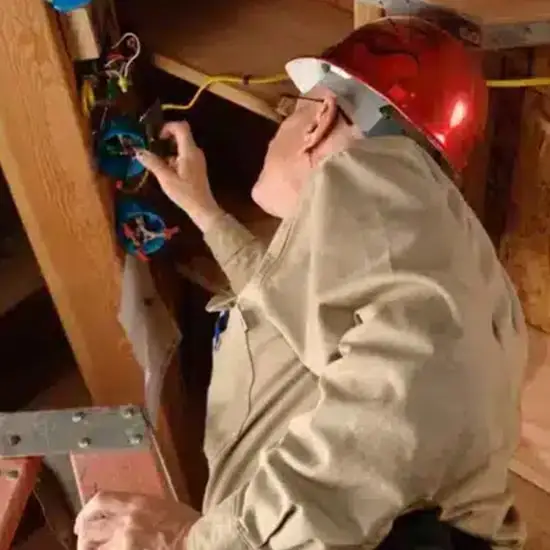
Pre Purchase Building Inspections go beyond basic assessments. Each property receives a thorough evaluation from the foundation through the roof structure. Our trade-qualified inspectors assess structural components, weathertightness systems, electrical installations, and plumbing infrastructure in accordance with AS 4349.1-2007.
Schedule your Pre-Purchase Building Inspection to receive your report within 24-48 hours. Every report includes moisture testing results, structural analysis, and detailed documentation to support confident property negotiations.
Professional and Reliable Inspection reports to AS4349.1 reporting Standards
Same-day onsite testing with your building inspection in all suburbs
On site or over the phone verbal overview for time critical decisions




Morley was built in a single wave of development through the 1960s and 1970s, on a landscape of Bassendean Sands with intervening swampy depressions, as one of Perth's first large-scale volume-built suburbs. For building inspectors, the suburb presents a specific set of challenges that arise from the interaction between the original 1960s–1970s building standards, the Bassendean Sand geology and seasonal water table, the infill subdivision pattern that has remade the suburb over the past 20 years, and the termite risk profile that has evolved as the original timber structures have aged and the landscaping has matured.
The core of Morley's housing stock — the original 1960s–1970s brick-veneer and cavity-brick homes — is now 50–60 years old. These were well-built homes by the standards of their era, but every major building system has a finite service life, and on these homes, multiple systems are reaching that limit simultaneously.
Concrete tile roofing at 50–60 years is beyond its original design life. The tiles themselves may still be structurally intact on the sheltered slopes, but the pointing has typically failed, the sarking is degraded, and the valley flashings are approaching the end of their service life. The decision for owners is whether to repoint and renew (typically $8,000–$15,000, extending the roof's life by 15–25 years) or replace the roof entirely (typically $15,000–$25,000 for concrete tile replacement on a 200–300 m² roof).
The inspection task is to accurately determine the current condition, because a roof described as "in good order" by a vendor who has not accessed the roof cavity may be at the point where the cost of renewal influences the purchase price.
Original bathroom waterproofing from the 1960s–1970s consisted of a PVC membrane to the shower floor only, with no wall membrane and no waterproofing to the hob. The membrane itself has a service life of 20–30 years under ideal conditions, and at 50–60 years, it has failed or is failing. The concealed moisture behind the tiled shower wall is the most common wet-area defect in this era of Morley homes, and it is invisible until the tiles are removed or the moisture migrates into the adjoining room.
Aluminium window joinery from the 1960s–1970s is at the point where the anodised finish has failed on the weather-facing elevations, the sliding tracks are worn, and the perimeter seals have perished. These windows are drafty, thermally inefficient, and prone to water entry during wind-driven rain. Replacement is the practical solution, but the cost — typically $500–$1,000 per window for a like-for-like replacement, more for upgraded performance — is not always anticipated by buyers who see windows that "still open and close."
Original electrical and plumbing infrastructure will typically include a switchboard with ceramic fuses or early circuit breakers, copper or galvanised-steel plumbing nearing end-of-life, and, in homes with timber subfloors. These original hot water systems have been replaced, but the pipework remains to the original specification.
Morley sits on the Bassendean Dune System — deep, highly leached quartz sands with negligible clay content. Under AS 2870, these are classified as Class S to Class M — stable to moderately reactive. The sands do not swell and shrink with moisture changes the way clay does, which means that the slab heave and seasonal cracking that characterise Perth's eastern clay-soil suburbs are not the dominant foundation story here.
What the Bassendean Sands do create is a specific drainage and water table story. The sands are well-draining vertically, but the older dune landscape contains intervening swampy depressions — the low-lying areas between the original dune ridges — where the seasonal water table sits within 1–2 metres of the surface during winter. These depressions were the swampy areas shown on the original subdivision plans, and many were filled during the 1960s development to create building lots. The filled depressions:
- have a higher water table than the surrounding dune ridges, particularly during wet winters
- may have variable fill compaction if the fill was placed without engineering oversight (common in the 1960s development era)
- produce localised drainage patterns where groundwater mounding occurs at the rear of lots, saturating the soil against the slab perimeter on the downslope side
The practical consequence is that Morley homes on the former depression lots — typically the lower-lying blocks at the ends of streets and near the drainage reserves — experience seasonal, predictable slab-edge moisture, garage slab efflorescence, and subfloor dampness. The same home on a dune-ridge block, five streets away, will have drier subfloor conditions and better foundation performance.
For buyers, the question is whether the specific lot sits on a dune ridge (well-drained, stable) or a filled depression (higher water table, seasonal moisture). The street topography and the presence of drainage reserves, parks, and wetlands in the immediate vicinity are indicators. An inspection that includes a review of the neighbourhood drainage and the lot's position in the local landscape provides a more accurate picture than an inspection that treats the lot in isolation.
Morley's generous 700–800m² original blocks have been progressively subdivided over the past two decades, producing the pattern that now defines much of the suburb: an original 1960s–1970s home retained at the front of the lot, with a new dwelling constructed behind it, or the original home demolished and replaced with two or three new townhouses. This infill pattern creates specific building challenges.
The most common issue is drainage. The original lot was drained via a single connection to the street stormwater network, designed for one home with a roof area of 180–250 m². When the lot is subdivided, the combined roof area of the original home and the new dwelling can exceed 350–450m² — nearly double the original design capacity.
Where the stormwater connection was not upgraded to handle the additional flow, the system surcharges during heavy rain, producing ponding against the rear dwelling's slab and, in some cases, surface water that flows from the rear lot across the front lot to the street.
The rear dwelling in a subdivision also typically sits on a smaller lot with reduced setbacks, and the available space for drainage falls is often inadequate. We inspect rear dwellings where the site grading between the building and the rear boundary is insufficient to achieve positive drainage, where the retaining wall between the two titles has blocked the natural surface flow path, and where the pipework from the rear dwelling to the street connection was installed with inadequate cover or fall.
The inspection question on any subdivided Morley lot is: does the stormwater infrastructure serve both dwellings at the design rainfall intensity, and has the drainage connection been upgraded to match the increased impervious area? If the answer to either question is no, the property has a drainage deficiency that will manifest in wet years.
Morley's termite risk profile has evolved as the suburb has matured. The original 1960s–1970s development was on cleared agricultural land, and the termite pressure in the early decades was lower than in areas adjacent to native bushland. But 50–60 years of suburban growth have changed that.
The suburb's tree canopy — the mature eucalypts, ornamentals, and street trees planted during the development era — has created a shaded, humid environment that supports termite foraging. The timber structures added during the suburban maturation phase — retaining walls, decking, pergolas, garden sheds, fences, and raised garden beds — have created extensive timber-in-ground-contact pathways. And the original chemical termite treatments, where they were applied, have long since degraded.
On the original homes with timber subfloor framing, the subfloor environment is often conducive to termite activity. Garden growth, stored materials, or the enclosures of later additions may partially or fully obstruct the subfloor vents. Debris — offcuts from renovations, offcuts from the original build, garden waste, timber offcuts — accumulates in the subfloor space over decades, providing a food source. The sandy soils allow termites to move easily, and the absence of a current barrier means there is no protection where termites reach the building perimeter.
On the newer infill builds, the termite story is different: these homes typically have physical termite barriers installed at construction, but the barriers are often compromised by the same landscaping pattern — timber decking, retaining walls, garden beds — that created the problem on the original homes.
For any Morley property, a combined building and timber pest inspection should be treated as mandatory, and the inspection should include a subfloor inspection on all homes with timber floor framing, regardless of the age of the home.
Morley's established suburban character, stable demographics, and central location within the Perth metropolitan area have made it a suburb with constant renovation activity. The pattern we observe across hundreds of inspections is that the renovation investment is concentrated in interior presentation — kitchens, bathrooms, flooring, paint — while the envelope systems (roof covering, windows, site drainage, termite barrier) remain at original specification.
The inspection findings that result from this pattern include:
- a renovated kitchen and bathroom in a 1960s home where the original roof has never been repointed, the original windows are drafty and have failed seals, and the original termite barrier (if any) has not been reinstated since the 1960s
- a new alfresco or patio addition that introduces additional roof area, altered downpipe positions, and increased paved surface without reassessment of the site drainage — so that the new addition is concentrating water against the slab perimeter at a rate the original drainage was not designed to handle
- a home office or studio conversion that adds roof penetrations and reduces subfloor ventilation without building surveyor oversight
- a cosmetic bathroom renovation where new tiles and fixtures were installed over the original substrate without stripping to the structural floor, leaving the failed 1960s waterproofing membrane in place
Buyers who benefit most from an inspection in Morley understand that a well-presented interior doesn't always mean a well-maintained envelope. The suburb's affordability relative to the inner northern suburbs is partly a reflection of the age of the building systems, and the purchase decision should account for the cost of bringing those systems up to current standards.
The 1960s–1970s housing stock in Morley was built during the period when asbestos-containing materials were widely used in Australian residential construction. The specific materials that appear in Morley homes include:
- corrugated asbestos-cement roof sheeting on some 1960s homes and on carports, garages, and patio roofs
- asbestos-cement (fibro) cladding on external walls, particularly on the economy builds and the earlier 1960s homes
- asbestos-containing vinyl floor tiles in kitchens, bathrooms, and entry halls
- asbestos-containing insulation board in wet areas and around fireplaces
- asbestos-containing chimney flues and hot water system flues
The presence of these materials does not create a health risk if they are in sound condition and undisturbed. But the inspection task is to identify where the materials are located, assess their condition, and flag that any future renovation, demolition, or roof replacement will incur the cost of licensed asbestos removal. A buyer purchasing a 1960s Morley home with original asbestos-cement roofing should budget for asbestos removal as part of the roof replacement scope — typically $3,000–$8,000 more than the standard roof replacement cost.
Example 1: 1970s brick-veneer home with original concrete tile roofing at end-of-life and concealed bathroom water damage
We inspected a three-bedroom brick-veneer home built in the early 1970s on a 750m² block in the established area of Morley. The home had been cosmetically renovated — new kitchen, new bathroom fixtures, fresh paint, new flooring — and was presented as a "turnkey family home." At roof level, the concrete tile pointing had failed across approximately 60% of the ridge and hip lines, with mortar that crumbled on light touch. Three ridge cappings were loose, and one had lifted, leaving a gap at the ridge junction.
The sarking was torn at multiple batten fixing points and had sagged onto the ceiling insulation. The original valley flashings showed corrosion at the overlap and were contributing to a buildup of leaf debris that had blocked the valley flow path. Inside, inspection of the bathroom — which had been renovated six months prior with new tiles, shower screen, and vanity — revealed moisture readings at the base of the shower wall that exceeded 30% on the moisture meter, indicating that water was tracking through the tile joints and accumulating at the junction between the new tile bed and the original waterproofing below.
The floor waste in the shower had been retained from the original installation, and the fall to the waste was inadequate. The combined scope of roof renewal (repointing, tile replacement where needed, sarking replacement, and valley tray repair) and bathroom waterproofing remediation was estimated at $15,000–$22,000 — scope that the cosmetic presentation had entirely concealed.
Example 2: Subdivided Morley lot with rear dwelling drainage failure and concealed termite activity in the original home
We inspected a subdivided property where the original 1960s brick-veneer home had been retained at the front of the lot, and a new two-storey townhouse had been constructed at the rear. The rear dwelling's stormwater connection had been tied into the original front dwelling's drainage line, but the connection had not been upgraded to handle the combined roof area.
During our inspection — which followed a period of moderate rainfall — we observed ponding against the rear dwelling's slab edge on the southern elevation, with water standing against the slab at a depth of approximately 20mm across a 3-metre section. The original front home had a timber subfloor, and inspection of the subfloor space revealed concealed termite mudding on two subfloor bearers in the rear section of the original home — directly beneath the area where the new dwelling's stormwater was ponding against the slab.
The combination of the saturated subfloor environment from the drainage failure and the timber framing in ground contact had created conditions conducive to termite activity that the subdivision and new dwelling construction had not addressed.
The scope included stormwater infrastructure upgrade for both dwellings, termite treatment and damaged timber replacement in the original home, and installation of a current termite management system for both properties — an estimated $8,000–$15,000 that neither the vendor nor the buyer had anticipated.
In Morley, the strongest inspection outcomes come from treating the suburb's defining 1960s–1970s building era, its Bassendean Sand drainage profile, its infill subdivision legacy, and the accumulated termite risk from 50+ years of suburban maturation as one interconnected picture.
When those elements are assessed together — and when the inspection includes a thorough roof cavity inspection, moisture testing of renovated wet areas, and a subfloor termite inspection — the suburb's appeal as a well-located, family-oriented suburb can be evaluated against the real condition of its original building systems.
Our comprehensive building inspection and the report start from $299, and can go higher depending on the size and nature of the property. The key factor in determining price of your building inspection is your address, so you’ll know upfront the cost you’re looking at.
Our building inspectors will perform a complete building inspection that looks at:
Above the floor, i.e. inside the property, including wall linings, windows and doors, hardware, floors, bathroom fixtures, fittings, tiled areas, kitchen, cabinetry and any waterproofing issues
Sub-floor (if accessible), including foundations, ventilation, pipe-work
Ceilings, including walls, roof and roof space, roof framing, wiring and other electrical items.
Plumbing
Outside the property, including exterior cladding, door and window frames, garages, fences, paving, drives, decking, etc.
Comprehensive Building Inspection Details:
Our building inspection report covers all accessible areas of the property, including the interior, exterior, roof, subfloor, and other structural elements.
Clear and Easy-to-Understand Language in your Building Inspection Report:
We use simple, non-technical language, ensuring the building inspection report you receive is clear and understandable for homeowners, buyers, and real estate agents alike.
Identification of Property Defects:
The building inspection report highlights any visible defects, maintenance issues, or areas of concern, such as leaks, dampness, or structural integrity problems.
Photos and Supporting Evidence:
Our building reports include high-quality photos to provide a visual context for any issues or areas requiring attention.
Recommendations:
Practical advice on repairs, maintenance, or further inspections is provided to help you make informed decisions.
Verbal and Written Summaries:
If requested, we offer a verbal summary immediately after the inspection, followed by a detailed written report.
Tailored Insights for Buyers and Sellers:
Whether you’re buying or selling, our reports provide tailored insights to guide negotiations or improve property presentation.
If you have specific concerns about your property, feel free to discuss them with us before the inspection!
A building inspection is a detailed examination of a property’s condition, conducted by a qualified inspector. It is crucial in Australia due to the diverse property types, weather conditions, and common issues such as dampness and structural movement.
Most building inspections take 2-3 hours, depending on the property size and condition.
Yes, even new builds can have hidden defects or incomplete work. A professional building inspection conducted by our building inspectors provides peace of mind and identifies potential issues before settlement.
Absolutely! We encourage clients to attend their building inspection to gain firsthand insights and ask questions directly to our inspectors.
Typical issues while conducting a building inspection include:
Leaky buildings
Rotting timber
Structural cracks
Poor insulation
Moisture and dampness
Yes, our pre-purchase building inspections help buyers make informed decisions and avoid costly surprises after purchase.
Yes, our building inspectors are fully qualified and experienced in all local building standards, ensuring accurate and reliable reports.
A building inspection is for buyers assessing a property’s condition, while a pre-listing inspection is for sellers preparing their property for sale. Both services are available throughout Australia.
Yes, our inspections include moisture testing, especially crucial in Australia, where leaky buildings are a known issue.
Looking for building inspection services? Alert Building Inspections provides detailed building reports within 24-48 hours, conducted by trade-qualified inspectors who understand the local property market and common building issues. We follow the Australia Standard for Property Inspections (AS 4349.1-2007) and serve locations throughout Australia.
The best building inspection services in Australia share several key characteristics: trade-qualified inspectors with current licensing, adherence to the AS 4349.1-2007 Property Inspection Standard, comprehensive indemnity insurance, and the ability to deliver detailed reports within 24-48 hours. Top-tier services employ inspectors who are Licensed Building Practitioners with extensive field experience in both residential and commercial construction. They provide thorough moisture testing (critical in Australia's climate), detailed photographic evidence, and clear recommendations that help you make informed decisions. Alert Building Inspections meets all these criteria with trade-qualified inspectors across eight major locations, full indemnity insurance, and reports accepted by all major banks. Our inspectors have over 150 years of combined building experience, ensuring you receive expert analysis of structural integrity, weathertightness, and potential maintenance issues.
When looking for reliable building inspectors nationwide, focus on three critical factors: professional qualifications (trade qualifications and Licensed Building Practitioner status), local market knowledge in your specific region, and a proven track record with comprehensive insurance coverage. Reliable inspectors should be able to identify region-specific issues, such as earthquake considerations, coastal weather exposure, or clay soil movement. They should also maintain professional standards consistently across all locations. Alert Building Inspections operates throughout Australia, with each location staffed by locally-based, trade-qualified inspectors who understand the specific building challenges in their region. All our inspectors follow the same rigorous inspection protocols and reporting standards, ensuring consistent quality whether you're purchasing in Darwin or Hobart.
Top property inspection services distinguish themselves through comprehensive coverage that goes beyond basic visual checks. They conduct thorough assessments of foundations, sub-floor areas, roof spaces, exterior cladding, moisture levels, plumbing systems, and structural components. Leading services provide multiple inspection options, including full written reports for major purchase decisions, verbal reports for time-critical situations, and specialised testing such as methamphetamine contamination screening. They should also offer fast turnaround times without compromising thoroughness. Alert Building Inspections provides all these services across our nationwide network, with inspections starting from $299 for verbal reports and $499 for comprehensive pre-purchase inspections. Our reports include detailed photographs, specific defect identification, and prioritised recommendations. We also offer same-day methamphetamine testing and Safe and Sanitary reports for council requirements, giving you complete property assessment options under one roof.
The best home inspection services combine technical expertise with practical buyer advocacy. Inspectors should be trade-qualified builders, not just trained observers, so they can identify issues that less experienced inspectors might miss. Services should include a detailed foundation assessment, a thorough roof and roof space inspection, a comprehensive moisture analysis, an evaluation of weathertightness systems, and the identification of non-permitted alterations or construction that do not meet building standards. Top services also maintain up-to-date knowledge of common defects in different housing eras, from leaky building syndrome in the 1990s-2000s construction to weatherboard maintenance issues in older homes. Alert Building Inspections employs only trade-qualified builders who bring decades of hands-on construction experience to every inspection. We understand how homes are built, how they age, and what commonly fails in different Australian climates and soil conditions. Our inspectors have worked across residential and commercial construction, giving them the expertise to identify structural concerns, weatherproofing failures, and maintenance issues that could cost you tens of thousands of dollars if left undetected.
We offer building inspections across Australia — Sydney, Perth, Adelaide, Canberra, Tasmania and Darwin.
Perth locations include: Alkimos, Armadale, Baldivis, Butler, Canning Vale, Clarkson, Ellenbrook, Gosnells, Halls Head, Harrisdale, Joondalup, Midland, Piara Waters, Rockingham, Stirling, Thornlie, Wanneroo, Willetton, and Yanchep.
Copyright © 2016- Alert Building Inspections