Armadale sits at the foot of the Darling Scarp on Perth's south-eastern fringe, where a historic town centre, aging housing stock, and recent greenfield releases to the south-east create inspection profiles that differ markedly from coastal Perth suburbs.
The suburb markets on affordability, larger block sizes, and proximity to the hills — and many buyers arrive expecting a straightforward brick-and-tile family home. Under that roof, inspections in Armadale often reveal a suburb where three distinct building periods intersect: the mid-20th-century timber and asbestos-cement homes in the original townsite, the brick-veneer project homes of the 1980s–1990s on the expanding flats, and the current-generation volume-built estates pushing into the former rural fringe.
Each era carries different envelope risk, and the common thread is a climate that tests building fabric in ways Perth's coastal suburbs do not.
The housing stock we inspect most often includes postwar fibro-cement and weatherboard homes on larger lots near the town centre, 1980s–2000s brick-veneer homes on concrete slab throughout the established suburbs, and new light-gauge steel and brick-clad project homes in developing estates to the south-east. Roof types range from corrugated asbestos-cement and galvanised iron on older stock to Colorbond metal and concrete tile on more recent construction.
Externally, the roof condition drives many early findings. Armadale sits inland on the Swan Coastal Plain, receiving around 900mm of annual rainfall — notably higher than that of Perth's coastal suburbs — with a distinct wet-winter, dry-summer seasonality. The older housing stock has often accumulated decades of deferred roof maintenance: corroded or rusted metal sheets, failed roof sealants, softened fibre-cement capping, tree debris in valleys, and downpipes that discharge at ground level without connection to subsoil drains.
Where metal roofing has been painted over rust without proper preparation, the coating failure can be advanced while the roof still photographs as serviceable from the kerb.
Site drainage on Armadale's flat-to-undulating lots is another recurring inspection theme. The sandy-to-sandy-loam soils of the Swan Coastal Plain drain reasonably well compared with Perth's heavy clay areas, but the suburb's high seasonal water table — particularly nearer the Wungong and Canning river corridors — means perimeter moisture, slab edge damp, and garage slab efflorescence appear across all age brackets.
Downpipes that splash against brickwork, paving that slopes toward garage aprons, and garden beds mounded above weep-hole level create conditions in which moisture concentrates at the base of wall systems, regardless of cladding type.
Internally, wet-area performance in older homes often reflects incremental renovation rather than planned renewal. Bathrooms in 1950s–1970s homes may retain original subfloor drainage with shallow or absent waterproofing, while cosmetic upgrades — new vanities, tiled splashbacks, fresh paint — can sit over aged substrates where movement, failed seals, and concealed timber decay have already begun. In newer stock, the risk shifts to rapid-deterioration flexible hosing, poor shower-screen sealing, and waste fittings installed with inadequate fall under the slab.
Termite risk is a practical concern across Armadale, given the suburb's location at the interface between cleared residential land and the remnant bushland and forested slopes of the escarpment. Conducive conditions — timber in ground contact, subfloor debris, blocked or absent subfloor vents, garden mulch against cladding, and accumulated leaf litter at skirting lines — are common even where active infestation is not visible on the day of inspection.
The standout local risk we emphasise for Armadale buyers is aged metal and fibre-cement roofing on pre-1990s stock with deferred maintenance, combined with high seasonal water tables and termite pressure at the bushland interface. This combination can make ownership costs unpredictable for buyers who focus on interior finishes and lot size.
For purchasers, the practical message is that the "Armadale condition" varies significantly with the building era. A 1950s weatherboard home with original roof sheets and no subfloor drainage, a 1990s brick-veneer project home with concrete tile roofing, and a recently built estate home in a southern development each carry very different roof duty, moisture exposure, and maintenance profiles.
+
+
24-48 Hour Report Delivery Guaranteed
Looking for a Building Inspector in Armadale? Our trade-qualified inspectors provide thorough building reports within 24-48 hours, combining speed with meticulous attention to detail.
Our building inspection service is perfect for time-sensitive property purchases. Each inspector carries professional indemnity insurance and brings deep knowledge of your local market and common building challenges. All inspections comply with AS 4349.1-2007 standards for comprehensive, reliable assessments.
Property buyers rely on our inspection expertise for accurate, actionable assessments. Every report delivers a complete structural evaluation, weather-tightness analysis, and maintenance requirements—giving you the information you need to make confident purchasing decisions on schedule.

Investing in property is a major financial commitment—a Pre Purchase Building Inspection protects that investment. Our comprehensive reports are prepared by inspectors with extensive knowledge and experience of the local market.
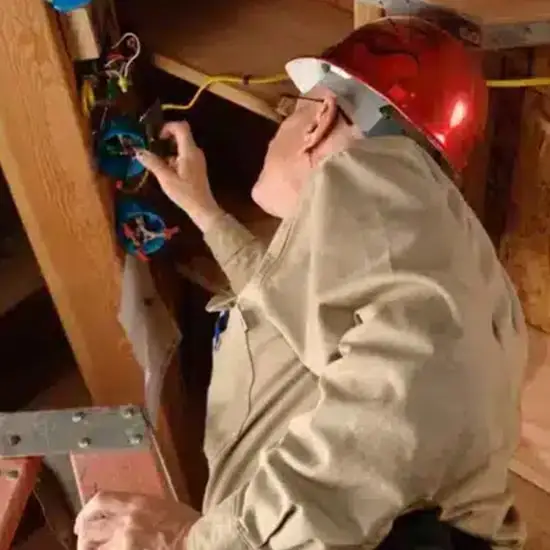
Pre Purchase Building Inspections go beyond basic assessments. Each property receives a thorough evaluation from the foundation through the roof structure. Our trade-qualified inspectors assess structural components, weathertightness systems, electrical installations, and plumbing infrastructure in accordance with AS 4349.1-2007.
Schedule your Pre-Purchase Building Inspection to receive your report within 24-48 hours. Every report includes moisture testing results, structural analysis, and detailed documentation to support confident property negotiations.
Professional and Reliable Inspection reports to AS4349.1 reporting Standards
Same-day onsite testing with your building inspection in all suburbs
On site or over the phone verbal overview for time critical decisions




Armadale sits at a transition point between Perth's coastal plain and the Darling Scarp — a geography that shapes its housing stock, climate exposure, and defect economics differently from both Perth's beachside suburbs and the newer estates farther north. For buyers, the building challenges reflect a suburb where older fabric carries accumulated fatigue, while new development pushes into former rural land with its own site-condition risks.
Armadale's pre-1990s housing stock — a substantial share of the existing building inventory — was originally roofed with materials that have now reached or are approaching the end of their practical service life. Corrugated galvanised iron, asbestos-cement (fibro) sheets and capping, and early Colorbond profiles with thinner substrate coatings are all represented. Many of these roofs have received multiple patch repairs, overpainting, and piecemeal sheet replacements, creating a patchwork of conditions across a single roof plane.
Inspection findings on older roofs regularly include perforated or pin-rusted sheets, lifting and cracked fibro capping, failed ridge pointing where mortar was never renewed, disintegrated sarking that has blocked drainage paths, and gutter profiles deformed by years of debris loading and ladder access. The seasonal wet-dry cycle in Armadale — concentrated winter rainfall followed by hot, dry summers — accelerates the fatigue of aged roof materials, as thermal expansion and contraction work at already-thinned coatings and aged sealants.
For buyers of older Armadale homes, the question is rarely "does the roof need work?" but "how much work does the roof need, and does the current price reflect that investment?" A full metal roof replacement on a typical 1960s–1970s home in this area can run between $15,000 and $30,000, depending on the complexity of sheet access, asbestos removal requirements, and whether the underlying framing needs attention. Sellers who present a painted-and-patched roof as "recently maintained" may have deferred the structural renewal that a full replacement provides.
Armadale's position on the Swan Coastal Plain, within the Canning River and Wungong Brook catchments, means groundwater levels rise significantly during the winter months. This seasonal water-table behaviour affects homes across all eras, but the consequences vary by foundation type.
Older homes on brick piers and timber floors often sit within 300–600mm of the natural surface. High winter water tables can saturate the subfloor zone for weeks at a time, creating conditions for timber floor decay, fungal growth, and termite activity where subfloor ventilation is inadequate or has been obstructed by stored materials, garden growth, or later-enclosed patios. In these homes, we commonly find damp subfloor bearers, springy floorboards, musty odours in rooms near the perimeter, and evidence of historical termite treatment — all indicators that the site drainage story is as important as the roof story.
Newer homes on concrete slabs — typical of the 1980s onward — respond to seasonal water tables through slab-edge moisture, weep-hole staining, and garage-slab efflorescence. Where perimeter drainage was not installed or has been compromised by landscaping, paving, or retaining walls, moisture symptoms tend to concentrate at the slab-to-wall junction. They are often visible as skirting-line damp, peeling paint, or musty smell in built-in robes on external walls.
Armadale's location at the base of the Darling Scarp places a large proportion of the residential area within proximity to remnant bushland, watercourse corridors, and forested reserves. This interface creates a genuine termite management environment that differs from the relatively lower pest pressure in Perth's inner and coastal suburbs.
The inspection task in Armadale is not simply to look for active infestation but to assess the degree of conducive condition management on each property. Key indicators include:
- Garden beds and retaining walls built up against external wall cladding above weep hole level, creating concealed moisture pathways and concealed access points
- Timber elements such as pergolas, verandah posts, steps, and fencing in direct ground contact or with inadequate clearance
- Subfloor vents painted over, blocked by debris, or enclosed behind later additions
- Timber storage, firewood stacks, and garden waste accumulated against the building perimeter
- No evidence of a current termite management system or inspection history
The practical risk is that many Armadale buyers — particularly first-home buyers drawn by affordability and block size — are not budgeting for the ongoing termite management required by the suburb's location. A physical termite barrier or chemical treatment system, combined with annual inspections, is a routine cost in this environment, not an optional extra.
The brick-veneer and cavity-brick homes built in Armadale during the 1980s and 1990s — concentrated in areas such as Mount Nasura and the lower slopes of Bedfordale — represent the suburb's middle-era stock. These homes are typically solidly built but are now entering a phase in which roof and envelope maintenance cycles coincide.
Concrete tile roofs from this period are reaching the point where pointing, tile replacement, and sarking renewal are needed. The spray-on acrylic coatings marketed as a "re-roof" solution for these homes have often reached the end of their effective life within 10–15 years, leading to adhesion failure, discolouration, and moisture ingress at the coating edges rather than at the original tile overlaps. We frequently find progressive moisture staining at ceiling cornices, patches of mould in roof spaces where breathable sarking has failed, and gutter staining from tile run-off on homes where the vendor described the roof as "recently recoated."
Aluminium window joinery of this era also warrants attention. Sliding windows with failed or eroded roller tracks, perished seals, and corroded fixing screws are common findings. Where these are combined with minimal eaves and weather-facing elevations, wind-driven rain entry during winter storms can produce intermittent dampness at window reveals that owners attribute to condensation, but that an inspection can trace back to failed weather seals on the original joinery.
The newer development areas pushing into Armadale's southern and eastern fringes, including parts of Haynes, Hilbert, and the newer stages of developed estates, introduce a more current set of defect patterns. These homes are typically built on former rural or undeveloped land where cut-and-fill histories, drainage establishment, and site preparation quality vary.
Common findings in newer estate homes include:
- site-grading defects where pavement and lawn falls direct sheet flow toward the building rather than to street drainage
- stormwater connections that were not adequately tested and show ponding at driveway crossings or rear lane outlets during moderate rain
- reactive clay movement in areas where topsoil depth and cut-and-fill ratios produce differential slab movement in the first five years
- lower-standard roof drainage detailing — short downpipe extensions, valley trays without adequate fall, gutters that were not profiled to the roof plane
- insulation and vapour barrier layout that was compressed or displaced during fit-out, reducing performance and creating condensation risk in roof spaces
Pre-1970s homes: These carry the highest risk of roof, termite, and subfloor moisture. The building materials — fibro-cement cladding and roofing on early homes, galvanised iron on mid-century stock — are at or past service life, and deferred maintenance is typical rather than exceptional. Asbestos handling costs for roof replacement should be factored into any purchase involving fibre-cement materials.
1980s–1990s brick-veneer homes: These represent a lower envelope risk but an active roof-maintenance cycle. Concrete tile pointing renewal, aluminium joinery seal condition, and stormwater drainage verification are the key inspection priorities.
Newer estate homes (2010 onward): Show risk toward drainage performance, slab behaviour on reactive profiles, and volume-build quality consistency — particularly at interfaces, wet areas, and stormwater infrastructure.
Armadale's renovation activity tends to prioritise interior upgrade and street-facing presentation over envelope and drainage renewal. A typical pattern is the postwar home with a new kitchen, updated bathroom, fresh paint, and laminate flooring — sitting under the original roof with original subfloor vents, no perimeter drainage, and aged electrical and plumbing infrastructure that the cosmetic work does not address.
Buyers benefit when an inspection distinguishes between what has been refreshed and what has been replaced. A home can photograph beautifully even if the roof, drainage, termite barriers, and subfloor environment remain at their original specification levels. The inspection question is whether the purchase price allows for the envelope and site work that the cosmetic presentation may be masking.
Example 1: 1960s weatherboard home with concealed roof deterioration behind a recent paint job
We inspected a three-bedroom weatherboard-and-tile home in the older Armadale townsite, marketed as "character home with scope" and featuring fresh exterior paint, new curtains, and an updated kitchen. The roof — original corrugated galvanised iron — had been painted as part of the exterior refresh, and the agent described the roof as "in good order, recently painted."
At roof level, we found extensive pin-rusting on the southern elevation sheet runs, two sheets with perforation holes that had been patched with silicone rather than replaced. We failed sarking that had sagged onto the ceiling insulation, blocking drainage channels from the ridge to the eaves. The paint coating was already showing localised blistering and adhesion loss on the weather-facing slopes — a sign that the original surface preparation had been inadequate and the coating was unlikely to reach even five years.
Under the house, subfloor ventilation was partly obstructed by later-enclosed verandah framing, and damp readings at several bearer bearing points were elevated following the previous winter.
This home was priced for its interior presentation, while the roof and subfloor condition would require $20,000–$30,000 in envelope work within the first few years of ownership.
Example 2: Brick-veneer project home in Mount Nasura with concrete tile roof coating failure and termite pathways
We inspected a late-1980s four-bedroom brick-veneer home with concrete tile roofing that had been "recoated" approximately eight years prior. The original tiles had been spray-coated with an acrylic membrane, which was now showing widespread flaking, loss of adhesion on the northern roof plane, and moisture tracking visible beneath the coating line on several tiles. Ceiling staining in the main bedroom cornice, aligned with an area where coating failure at a tile lap junction was allowing water to enter.
Externally, garden beds along the rear elevation had been raised above weep-hole level with retaining sleepers and decorative stone, and a timber pergola attached to the rear wall had posts in ground contact, creating concealed termite access pathways directly to the wall framing. A termite inspection history was not available, and no current chemical or physical barrier system was in place.
The buyer's budget needed to accommodate both an upcoming roof renewal and deferred termite management.
In Armadale, the strongest inspection outcomes treat roof condition, subfloor drainage, seasonal water-table behaviour, and termite pressure as a single interconnected picture. When those four elements are assessed together, the suburb's affordability can be evaluated against real long-term carrying costs rather than the open-home presentation alone.
Our comprehensive building inspection and the report start from $299, and can go higher depending on the size and nature of the property. The key factor in determining price of your building inspection is your address, so you’ll know upfront the cost you’re looking at.
Our building inspectors will perform a complete building inspection that looks at:
Above the floor, i.e. inside the property, including wall linings, windows and doors, hardware, floors, bathroom fixtures, fittings, tiled areas, kitchen, cabinetry and any waterproofing issues
Sub-floor (if accessible), including foundations, ventilation, pipe-work
Ceilings, including walls, roof and roof space, roof framing, wiring and other electrical items.
Plumbing
Outside the property, including exterior cladding, door and window frames, garages, fences, paving, drives, decking, etc.
Comprehensive Building Inspection Details:
Our building inspection report covers all accessible areas of the property, including the interior, exterior, roof, subfloor, and other structural elements.
Clear and Easy-to-Understand Language in your Building Inspection Report:
We use simple, non-technical language, ensuring the building inspection report you receive is clear and understandable for homeowners, buyers, and real estate agents alike.
Identification of Property Defects:
The building inspection report highlights any visible defects, maintenance issues, or areas of concern, such as leaks, dampness, or structural integrity problems.
Photos and Supporting Evidence:
Our building reports include high-quality photos to provide a visual context for any issues or areas requiring attention.
Recommendations:
Practical advice on repairs, maintenance, or further inspections is provided to help you make informed decisions.
Verbal and Written Summaries:
If requested, we offer a verbal summary immediately after the inspection, followed by a detailed written report.
Tailored Insights for Buyers and Sellers:
Whether you’re buying or selling, our reports provide tailored insights to guide negotiations or improve property presentation.
If you have specific concerns about your property, feel free to discuss them with us before the inspection!
A building inspection is a detailed examination of a property’s condition, conducted by a qualified inspector. It is crucial in Australia due to the diverse property types, weather conditions, and common issues such as dampness and structural movement.
Most building inspections take 2-3 hours, depending on the property size and condition.
Yes, even new builds can have hidden defects or incomplete work. A professional building inspection conducted by our building inspectors provides peace of mind and identifies potential issues before settlement.
Absolutely! We encourage clients to attend their building inspection to gain firsthand insights and ask questions directly to our inspectors.
Typical issues while conducting a building inspection include:
Leaky buildings
Rotting timber
Structural cracks
Poor insulation
Moisture and dampness
Yes, our pre-purchase building inspections help buyers make informed decisions and avoid costly surprises after purchase.
Yes, our building inspectors are fully qualified and experienced in all local building standards, ensuring accurate and reliable reports.
A building inspection is for buyers assessing a property’s condition, while a pre-listing inspection is for sellers preparing their property for sale. Both services are available throughout Australia.
Yes, our inspections include moisture testing, especially crucial in Australia, where leaky buildings are a known issue.
Looking for building inspection services? Alert Building Inspections provides detailed building reports within 24-48 hours, conducted by trade-qualified inspectors who understand the local property market and common building issues. We follow the Australia Standard for Property Inspections (AS 4349.1-2007) and serve locations throughout Australia.
The best building inspection services in Australia share several key characteristics: trade-qualified inspectors with current licensing, adherence to the AS 4349.1-2007 Property Inspection Standard, comprehensive indemnity insurance, and the ability to deliver detailed reports within 24-48 hours. Top-tier services employ inspectors who are Licensed Building Practitioners with extensive field experience in both residential and commercial construction. They provide thorough moisture testing (critical in Australia's climate), detailed photographic evidence, and clear recommendations that help you make informed decisions. Alert Building Inspections meets all these criteria with trade-qualified inspectors across eight major locations, full indemnity insurance, and reports accepted by all major banks. Our inspectors have over 150 years of combined building experience, ensuring you receive expert analysis of structural integrity, weathertightness, and potential maintenance issues.
When looking for reliable building inspectors nationwide, focus on three critical factors: professional qualifications (trade qualifications and Licensed Building Practitioner status), local market knowledge in your specific region, and a proven track record with comprehensive insurance coverage. Reliable inspectors should be able to identify region-specific issues, such as earthquake considerations, coastal weather exposure, or clay soil movement. They should also maintain professional standards consistently across all locations. Alert Building Inspections operates throughout Australia, with each location staffed by locally-based, trade-qualified inspectors who understand the specific building challenges in their region. All our inspectors follow the same rigorous inspection protocols and reporting standards, ensuring consistent quality whether you're purchasing in Darwin or Hobart.
Top property inspection services distinguish themselves through comprehensive coverage that goes beyond basic visual checks. They conduct thorough assessments of foundations, sub-floor areas, roof spaces, exterior cladding, moisture levels, plumbing systems, and structural components. Leading services provide multiple inspection options, including full written reports for major purchase decisions, verbal reports for time-critical situations, and specialised testing such as methamphetamine contamination screening. They should also offer fast turnaround times without compromising thoroughness. Alert Building Inspections provides all these services across our nationwide network, with inspections starting from $299 for verbal reports and $499 for comprehensive pre-purchase inspections. Our reports include detailed photographs, specific defect identification, and prioritised recommendations. We also offer same-day methamphetamine testing and Safe and Sanitary reports for council requirements, giving you complete property assessment options under one roof.
The best home inspection services combine technical expertise with practical buyer advocacy. Inspectors should be trade-qualified builders, not just trained observers, so they can identify issues that less experienced inspectors might miss. Services should include a detailed foundation assessment, a thorough roof and roof space inspection, a comprehensive moisture analysis, an evaluation of weathertightness systems, and the identification of non-permitted alterations or construction that do not meet building standards. Top services also maintain up-to-date knowledge of common defects in different housing eras, from leaky building syndrome in the 1990s-2000s construction to weatherboard maintenance issues in older homes. Alert Building Inspections employs only trade-qualified builders who bring decades of hands-on construction experience to every inspection. We understand how homes are built, how they age, and what commonly fails in different Australian climates and soil conditions. Our inspectors have worked across residential and commercial construction, giving them the expertise to identify structural concerns, weatherproofing failures, and maintenance issues that could cost you tens of thousands of dollars if left undetected.
We offer building inspections across Australia — Sydney, Perth, Adelaide, Canberra, Tasmania and Darwin.
Perth locations include: Alkimos, Baldivis, Butler, Canning Vale, Clarkson, Ellenbrook, Gosnells, Halls Head, Harrisdale, Joondalup, Midland, Morley, Piara Waters, Rockingham, Stirling, Thornlie, Wanneroo, Willetton, and Yanchep.
Copyright © 2016- Alert Building Inspections