Baldivis sits on the western edge of the Swan Coastal Plain, roughly halfway between Perth's Fremantle anchor and the Mandurah corridor — a rapidly growing suburb where the housing story is overwhelmingly one of greenfield development. The suburb markets on family-sized homes on modest blocks, proximity to the freeway and schools, and a lifestyle framed by nearby coastal reserves, wetlands, and the Baldivis town centre.
Beneath that marketed image, inspections in Baldivis reveal a suburb with a young building stock. Still, the defect patterns are driven by a distinct set of local conditions: reactive sandy-clay soils, flat-site hydraulics, coastal salt influence, and variations in volume-build quality across a development timeline that has moved quickly.
The housing stock we inspect most often is almost entirely brick-veneer and light-gauge steel-frame project homes built from the late 2000s through to current releases, with increasing volumes of attached townhouse product near the town centre and along transport corridors.
Roofing across Baldivis is predominantly Colorbond metal, with concrete tile on earlier estate releases and a growing share of membrane roofing on contemporary townhouse developments. Waffle-raft slabs are the standard foundation system in most newer estates, and subfloor access in the traditional sense is rare — the inspection focus shifts to slab-edge behaviour, perimeter drainage, and roof space condition.
Roof and stormwater performance is the inspection domain that produces the most consistent findings. Baldivis's flat-to-gently undulating topography means site drainage depends almost entirely on engineered falls, swales, and subsurface connections rather than on natural overland flow.
We regularly document downpipes terminating on paved surfaces or garden beds rather than connected stormwater pits, valley trays on multi-plane roofs clogged with debris where access for cleaning was not considered, gutters that were not profiled to the roof plane during installation and now pond at low points, and metal roofing where fastener washers are showing early deterioration on weather-facing slopes — particularly on western and southern elevations exposed to the prevailing wind.
Coastal proximity is a material factor across much of Baldivis. The suburb sits roughly 10–15 kilometres inland from Warnbro Sound and the (sea board). While it does not experience the direct salt spray of beachfront properties, salt-laden air carried on the prevailing south-westerly and westerly winds affects exposed metal roofing, flashings, gutters, and external fixings.
Homes on the western side of the freeway, closer to coastal wetlands and exposed ridgelines, show accelerated corrosion on metal roof sheets and valley trays compared with equivalent stock in Perth's inner or eastern suburbs — a pattern that becomes visible within the first 5–10 years rather than later in the roof's design life.
Internally, wet-area defects are a leading finding even in relatively young homes. Common issues include poor shower-screen sealing, silicone failures at hob junctions, vanity flexi-hose weeps concealed behind cabinetry, and laundry trough waste connections installed without adequate fall. In the townhouse product, we also find sound and moisture transfer at party walls where cavity detailing, insulation, and fire-rating installation were not completed to the standard implied by the Code Compliance Certificate.
Termite risk in Baldivis is real but less dominant than in Perth's hills suburbs. The sandy soils drain well, reducing persistent subfloor moisture that drives termite activity in heavier-soil areas. However, Baldivis's estate development often left remnant bushland and wetland buffers between precincts, creating termite reservoirs that can path into housing where physical barriers were not installed or have been compromised by landscaping, paving, and retaining walls installed after handover.
The standout local risk we highlight for Baldivis buyers is flat-site stormwater performance on reactive sandy-clay soils, combined with coastal salt exposure, which accelerates the deterioration of metal roofs and fixings. This pairing can cause recurring moisture and corrosion issues in homes still in their first decade.
For purchasers, the practical takeaway is that Baldivis homes are young but not low-maintenance. The suburb's estate drainage infrastructure, slab-edge detailing, and roof stormwater discipline determine whether ownership remains predictable or produces recurring water-related defects that vendor-disclosure statements rarely capture.
+
+
24-48 Hour Report Delivery Guaranteed
Looking for a Building Inspector in Baldivis? Our trade-qualified inspectors provide thorough building reports within 24-48 hours, combining speed with meticulous attention to detail.
Our building inspection service is perfect for time-sensitive property purchases. Each inspector carries professional indemnity insurance and brings deep knowledge of your local market and common building challenges. All inspections comply with AS 4349.1-2007 standards for comprehensive, reliable assessments.
Property buyers rely on our inspection expertise for accurate, actionable assessments. Every report delivers a complete structural evaluation, weather-tightness analysis, and maintenance requirements—giving you the information you need to make confident purchasing decisions on schedule.
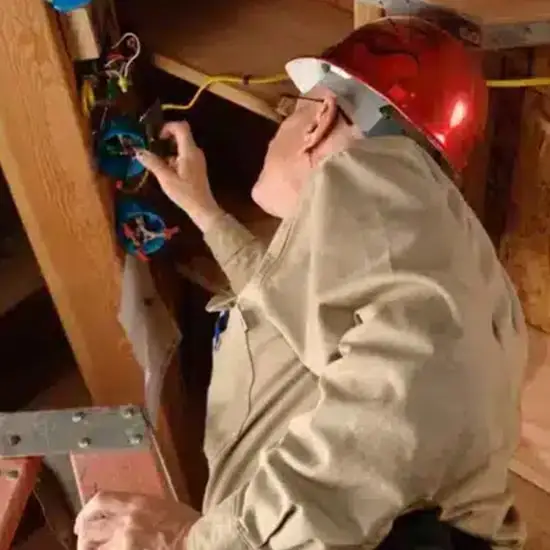

Investing in property is a major financial commitment—a Pre Purchase Building Inspection protects that investment. Our comprehensive reports are prepared by inspectors with extensive knowledge and experience of the local market.
Pre Purchase Building Inspections go beyond basic assessments. Each property receives a thorough evaluation from the foundation through the roof structure. Our trade-qualified inspectors assess structural components, weathertightness systems, electrical installations, and plumbing infrastructure in accordance with AS 4349.1-2007.
Schedule your Pre-Purchase Building Inspection to receive your report within 24-48 hours. Every report includes moisture testing results, structural analysis, and detailed documentation to support confident property negotiations.
Professional and Reliable Inspection reports to AS4349.1 reporting Standards
Same-day onsite testing with your building inspection in all suburbs
On site or over the phone verbal overview for time critical decisions




Baldivis is one of Perth's fastest-growing suburbs, transformed from rural bushland and paddocks into a master-planned residential corridor within two decades. For buyers, understanding how that rapid development intersects with Baldivis's geography — flat coastal-plain topography, sandy-clay soils, seasonal water tables, and salt-laden winds — is essential to evaluating what a property will actually cost to maintain.
Baldivis was subdivided on very flat terrain with engineered stormwater networks designed to manage runoff through kerbside pits, rear-lane swales, and sub-surface pipe networks. These systems only perform as designed when every property manages its own stormwater discharge, and our inspections consistently find that this chain is broken at the building perimeter.
The most common defects are straightforward: downpipes that discharge onto paving or garden beds without a splash pit or pipe connection; grated inlet pits buried under mulch, pavers, or turf laid after the builder handed over; rear-lane spoon drains that have been altered by fencing, shed placement, or garden edging so they no longer carry flow; and driveway crossings poured without consideration for the existing swale alignment.
Each of these individually seems minor, but on a flat site where the entire drainage strategy depends on sheet flow reaching the nearest pit, a few diverted downpipes and one buried grate can create persistent ponding against slab edges across multiple seasons.
The inspection signals are slab-edge efflorescence on garage brickwork, musty notes in rooms on external walls after winter rain, damp patches on carpet at sliding-door thresholds, and recurring mould on internal walls in built-in robes or storage rooms on the weather-facing side of the house. These are not "rising damp" in the traditional sense — they result from stormwater being deposited against the building perimeter faster than the soil profile can disperse it.
Baldivis's soil profile is predominantly sandy clay — well-draining at the surface but with a reactive clay component at depth that responds to seasonal moisture changes. Waffle-raft slabs were adopted as the standard foundation system across most estates to manage this reactivity, but performance varies depending on how each lot was prepared.
Key inspection observations include:
- diagonal cracking at window and door openings, particularly on the northern and western elevations, where seasonal sun exposure creates differential drying around the slab perimeter
- sliding doors that bind or show uneven track wear after wet winters, when clay expansion lifts one corner of the slab
- recurring plaster cracks in the same locations — at architrave junctions, ceiling-to-wall junctions in open-plan areas — that have been patched and reopened, indicating ongoing slab movement rather than settlement that has stabilised
- garage slab cracking and step differentials at the garage-to-house junction, where the raft slab transitions between conditioned and unconditioned zones
The distinction between minor cosmetic movement and a slab issue requiring structural assessment depends on the pattern, the rate of recurrence, and whether drainage or landscaping changes have altered the moisture balance at the affected elevation. In our experience, the majority of Baldivis slab-related symptoms are manageable through perimeter drainage discipline — but they do not self-correct, and buyers who assume "the slab was engineered for this soil" may be surprised when doors start binding in year five or six.
Baldivis's distance from the coast — roughly 10–15 kilometres — places it in a zone where salt-laden air from the Indian Ocean and Warnbro Sound affects exposed metalwork but does not produce the aggressive corrosion rates seen immediately at the beach. The practical consequence is that external metal components degrade faster than equivalent stock in Perth's eastern or northern suburbs, but not so fast that the pattern is obvious to an untrained eye during a standard open home.
The items most affected are:
- Colorbond and Zincalume roof sheets on weather-facing slopes, where salt deposition combines with morning dew and winter rain to accelerate edge corrosion at sheet overlaps
- valley trays and flashings, which concentrate water flow and dry slowly — creating micro-environments where coating failure can occur within 10–15 years
- external fixings — screw heads, gutter brackets, and ridge capping fasteners — that show corrosion streaking visible from the ground in the form of rust-stained paint runs below fixing points
- aluminium joinery on exposed elevations, where salt combined with wind-driven rain can cause pitting on sill extrusions and corrosion at fixing screws
The practical risk is that a Baldivis home's roof may need sheet replacement or valley tray renewal 5–10 years earlier than the standard 25–30 year design life many buyers assume for Colorbond roofing. This is not a defect in the product — it is a consequence of the exposure zone, and it should be factored into the maintenance budget from the start.
Baldivis has been built out in successive development stages over the past 15–20 years, from the early Settlers and Brighton Estate releases through to the more recent precincts in the southern and western growth fronts. Each stage reflects the prevailing construction standards, labour market conditions, and building code requirements of its era, and we see corresponding shifts in defect patterns.
Early estate releases (late 2000s to early 2010s) tend to have better site establishment — larger lots, more attention to drainage swales, and roof pitches designed for the local climate — but are now entering the period where original roof fixings, sealants, and stormwater connections need review. These homes are typically approaching their first major maintenance cycle (roof fastener renewal, gutter replacement, external sealant overhaul), and many owners have not budgeted accordingly.
Later stages (mid-2010s onward) show the pressures of accelerated delivery on tighter margins: smaller setbacks, more complex roof forms, reduced site coverage for drainage, and a higher frequency of finish-stage defects — mismatched roof sheets, undertightened ridge capping, gutters installed out of fall, and stormwater connections that were not adequately tested before landscaping cover.
Townhouse and multi-unit product, increasingly common near the town centre, adds shared-wall and shared-drainage complexity. Party-wall sound and moisture transfer, common-property stormwater maintenance, and interface detailing between attached units are recurring inspection themes.
Baldivis's estate design preserved creeks, wetlands, and bushland corridors as public open space. These are significant amenity assets, but they also act as termite reservoirs adjacent to residential lots. The sandy soils are less conducive to termite activity than heavier clay profiles. Still, the interface between undeveloped bushland and cleared residential land creates pathways that physical barriers and chemical treatments are designed to manage.
The inspection question in Baldivis is not whether termites exist in the area — they do — but whether each property has an installed and maintained termite management system appropriate to its proximity to bushland corridors. Common findings include:
- no evidence of a current chemical or physical barrier system, particularly on homes built before the 2010s
- external timbers in ground contact — pergola posts, deck bearers, retaining wall sleepers, garden edging — creating concealed access points
- slab-edge weepholes buried by garden beds, mulch, or paving, preventing visual inspection of the slab perimeter
- irrigation systems that maintain persistent moisture against the slab edge, creating favourable conditions for termite activity at the building perimeter
Late-2000s to early-2010s estate homes are approaching their first major maintenance cycle. Roof fastener and valley tray condition, stormwater connection verification, and external sealant integrity are the key inspection priorities. Slab movement symptoms may appear where perimeter drainage has been compromised.
Mid-2010s to current estate homes shift risk toward build-stage quality consistency — roof drainage detailing, wet-area waterproofing, stormwater finishing, and interface detailing on increasingly complex roof forms. Coastal salt exposure accelerates wear on metal roofs and flashing, regardless of building age.
Townhouses and multi-unit developments add complexity due to shared walls and drainage systems. Party-wall detailing, common-property stormwater performance, and interface waterproofing at roof-to-wall junctions between attached units need verification.
Baldivis renovates early and frequently — the suburb's demographic of young families and first-home buyers in their second or third property means patios, alfresco additions, garage conversions, and shed installations are common within the first five to ten years of ownership. Each alteration introduces new roof junctions, altered drainage paths, and slab-edge detailing that may not have been reviewed by a building surveyor.
The recurring pattern is a paved alfresco area or a retaining wall installed without reassessing the perimeter drainage. A rear downpipe that previously discharged onto a grassed area now splashes onto a paved surface that falls toward the slab. A garden bed built against the house for screening now covers weepholes and directs irrigation water against the brickwork. A pergola attached to the roof frame introduces a new valley and penetration where the original roof drainage sequence was not designed to handle concentrated flow.
In Baldivis, inspection value comes from reading the site hydrology, roof exposure, slab behaviour, and volume-build quality markers as a single system. When those four elements are assessed together, the suburb's affordability is evaluated against its real long-term carrying costs — not the presentation on settlement day.
Example 1: Mid-2010s estate home with concealed stormwater failure behind a landscaped rear yard
We inspected a four-bedroom brick-veneer home in a newer Baldivis stage, presented with synthetic turf, a paved alfresco, and established landscaping. The interior was finished to a high cosmetic standard with stone benchtops, tiled wet areas, and LED downlighting.
Externally, the roof drainage appeared functional during a dry-day inspection. A follow-up rain-event visit — which we arranged after the buyer reported a damp carpet patch at the rear sliding door — revealed the full picture: the downpipe from the main roof valley discharged into a buried pipe that had been crushed or blocked during landscaping, causing water to back up and overflow from a disconnected joint under the alfresco paving. The water then tracked under the slab, emerging as a persistent damp spot at the sliding-door threshold and along the adjacent wall in the family room.
The paved area and synthetic turf had been installed over the drainage issue, and the vendor — who had not experienced the problem during a dry summer settlement — was unaware of it. The remedy involved excavation of the alfresco perimeter, replacement of the crushed pipe, and reconnection of the downpipe to the grated pit at the rear boundary — a $6,000–$8,000 job for a home that was marketed as "turn-key and low maintenance."
Example 2: Western elevation estate home with accelerated metal roof corrosion and driven-rain ingress
We inspected a five-year-old brick-veneer home on the western side of the freeway, close to the coastal wetland buffers. The home presented well internally, and the vendor described the roof as "like new." At roof level, the western and southern roof slopes showed visible edge corrosion on the Colorbond sheets at overlap junctions, fastener washers with advanced coating breakdown on the weather-facing elevation, and a valley tray on the western roof plane where the protective coating had already thinned, exposing the Zincalume substrate in the flow path.
Internal inspection found faint ceiling staining in the upstairs western bedroom, aligned with the valley tray end, and damp readings at the top plate on that elevation. The staining had been painted over, and the vendor attributed it to "a one-off storm event."
The roof was structurally sound, but the corrosion rate on the exposed elevation was well ahead of the suburb-average expectation — driven by salt deposition from the coastal wind fetch and the roof plane's orientation to prevailing winds.
The buyer's pre-purchase budget needed to accommodate valley-tray replacement and roof fastener renewal within five years, not the fifteen-plus years the house's age might suggest.
In Baldivis, flat-site drainage and coastal salt exposure are the two factors that most often distinguish homes that deliver predictable ownership costs from those that produce recurring surprises. When the stormwater story is understood, and the envelope is assessed in the context of Baldivis's coastal plain setting, buyers can make informed decisions about real maintenance commitments in one of Perth's most active growth corridors.
Our comprehensive building inspection and the report start from $299, and can go higher depending on the size and nature of the property. The key factor in determining price of your building inspection is your address, so you’ll know upfront the cost you’re looking at.
Our building inspectors will perform a complete building inspection that looks at:
Above the floor, i.e. inside the property, including wall linings, windows and doors, hardware, floors, bathroom fixtures, fittings, tiled areas, kitchen, cabinetry and any waterproofing issues
Sub-floor (if accessible), including foundations, ventilation, pipe-work
Ceilings, including walls, roof and roof space, roof framing, wiring and other electrical items.
Plumbing
Outside the property, including exterior cladding, door and window frames, garages, fences, paving, drives, decking, etc.
Comprehensive Building Inspection Details:
Our building inspection report covers all accessible areas of the property, including the interior, exterior, roof, subfloor, and other structural elements.
Clear and Easy-to-Understand Language in your Building Inspection Report:
We use simple, non-technical language, ensuring the building inspection report you receive is clear and understandable for homeowners, buyers, and real estate agents alike.
Identification of Property Defects:
The building inspection report highlights any visible defects, maintenance issues, or areas of concern, such as leaks, dampness, or structural integrity problems.
Photos and Supporting Evidence:
Our building reports include high-quality photos to provide a visual context for any issues or areas requiring attention.
Recommendations:
Practical advice on repairs, maintenance, or further inspections is provided to help you make informed decisions.
Verbal and Written Summaries:
If requested, we offer a verbal summary immediately after the inspection, followed by a detailed written report.
Tailored Insights for Buyers and Sellers:
Whether you’re buying or selling, our reports provide tailored insights to guide negotiations or improve property presentation.
If you have specific concerns about your property, feel free to discuss them with us before the inspection!
A building inspection is a detailed examination of a property’s condition, conducted by a qualified inspector. It is crucial in Australia due to the diverse property types, weather conditions, and common issues such as dampness and structural movement.
Most building inspections take 2-3 hours, depending on the property size and condition.
Yes, even new builds can have hidden defects or incomplete work. A professional building inspection conducted by our building inspectors provides peace of mind and identifies potential issues before settlement.
Absolutely! We encourage clients to attend their building inspection to gain firsthand insights and ask questions directly to our inspectors.
Typical issues while conducting a building inspection include:
Leaky buildings
Rotting timber
Structural cracks
Poor insulation
Moisture and dampness
Yes, our pre-purchase building inspections help buyers make informed decisions and avoid costly surprises after purchase.
Yes, our building inspectors are fully qualified and experienced in all local building standards, ensuring accurate and reliable reports.
A building inspection is for buyers assessing a property’s condition, while a pre-listing inspection is for sellers preparing their property for sale. Both services are available throughout Australia.
Yes, our inspections include moisture testing, especially crucial in Australia, where leaky buildings are a known issue.
Looking for building inspection services? Alert Building Inspections provides detailed building reports within 24-48 hours, conducted by trade-qualified inspectors who understand the local property market and common building issues. We follow the Australia Standard for Property Inspections (AS 4349.1-2007) and serve locations throughout Australia.
The best building inspection services in Australia share several key characteristics: trade-qualified inspectors with current licensing, adherence to the AS 4349.1-2007 Property Inspection Standard, comprehensive indemnity insurance, and the ability to deliver detailed reports within 24-48 hours. Top-tier services employ inspectors who are Licensed Building Practitioners with extensive field experience in both residential and commercial construction. They provide thorough moisture testing (critical in Australia's climate), detailed photographic evidence, and clear recommendations that help you make informed decisions. Alert Building Inspections meets all these criteria with trade-qualified inspectors across eight major locations, full indemnity insurance, and reports accepted by all major banks. Our inspectors have over 150 years of combined building experience, ensuring you receive expert analysis of structural integrity, weathertightness, and potential maintenance issues.
When looking for reliable building inspectors nationwide, focus on three critical factors: professional qualifications (trade qualifications and Licensed Building Practitioner status), local market knowledge in your specific region, and a proven track record with comprehensive insurance coverage. Reliable inspectors should be able to identify region-specific issues, such as earthquake considerations, coastal weather exposure, or clay soil movement. They should also maintain professional standards consistently across all locations. Alert Building Inspections operates throughout Australia, with each location staffed by locally-based, trade-qualified inspectors who understand the specific building challenges in their region. All our inspectors follow the same rigorous inspection protocols and reporting standards, ensuring consistent quality whether you're purchasing in Darwin or Hobart.
Top property inspection services distinguish themselves through comprehensive coverage that goes beyond basic visual checks. They conduct thorough assessments of foundations, sub-floor areas, roof spaces, exterior cladding, moisture levels, plumbing systems, and structural components. Leading services provide multiple inspection options, including full written reports for major purchase decisions, verbal reports for time-critical situations, and specialised testing such as methamphetamine contamination screening. They should also offer fast turnaround times without compromising thoroughness. Alert Building Inspections provides all these services across our nationwide network, with inspections starting from $299 for verbal reports and $499 for comprehensive pre-purchase inspections. Our reports include detailed photographs, specific defect identification, and prioritised recommendations. We also offer same-day methamphetamine testing and Safe and Sanitary reports for council requirements, giving you complete property assessment options under one roof.
The best home inspection services combine technical expertise with practical buyer advocacy. Inspectors should be trade-qualified builders, not just trained observers, so they can identify issues that less experienced inspectors might miss. Services should include a detailed foundation assessment, a thorough roof and roof space inspection, a comprehensive moisture analysis, an evaluation of weathertightness systems, and the identification of non-permitted alterations or construction that do not meet building standards. Top services also maintain up-to-date knowledge of common defects in different housing eras, from leaky building syndrome in the 1990s-2000s construction to weatherboard maintenance issues in older homes. Alert Building Inspections employs only trade-qualified builders who bring decades of hands-on construction experience to every inspection. We understand how homes are built, how they age, and what commonly fails in different Australian climates and soil conditions. Our inspectors have worked across residential and commercial construction, giving them the expertise to identify structural concerns, weatherproofing failures, and maintenance issues that could cost you tens of thousands of dollars if left undetected.
We offer building inspections across Australia — Sydney, Perth, Adelaide, Canberra, Tasmania and Darwin.
Perth locations include: Alkimos, Armadale, Butler, Canning Vale, Clarkson, Ellenbrook, Gosnells, Halls Head, Harrisdale, Joondalup, Midland, Morley, Piara Waters, Rockingham, Stirling, Thornlie, Wanneroo, Willetton, and Yanchep.
Copyright © 2016- Alert Building Inspections