
Building Inspection Ashfield
BUILDING REPORT ASHFIELD
Residential & Commercial Building Reports
Our Working Process
Book
Confirm
Inspect
Report
An on-site or over-the-phone verbal overview for time-critical decisions. Useful when you need an answer before an auction, a deadline, or a multi-offer situation.
Pre-purchase inspections occur before you make an offer or after acceptance, giving you crucial information about the property’s condition before you finalise your investment.
TESTING
Same-day on-site meth screening at your property. You'll know whether contamination is present before you commit to the purchase.
A pest inspection checks accessible areas of an Australian property for termites, borers, fungal decay and conditions that attract timber pests.
Builders Report Ashfield
What Our Inspectors Typically Find
Ashfield sells on inner west convenience—rail links, village retail along Liverpool Road, and streetscapes that often read as settled Federation and Californian bungalow character rather than harbour glamour. Listings lean on renovated kitchens, north-facing living zones, and proximity to the city.
From an inspection standpoint, Ashfield is rarely one housing type: it is heritage conservation pockets of face brick and weatherboard bungalows, semi-detached Federation pairs on narrow allotments, inter-war walk-ups and small apartment blocks near the station corridor, and pockets of post-war fibro and brick veneer on modest blocks that sit beside much older fabric.
The stock we inspect most often includes single-storey detached bungalows with terracotta or slate roofs, semi-detached pairs of face-brick houses from early subdivision estates, and multi-storey residential flats along Liverpool Road and adjacent streets. Roof types range from original terracotta and slate to corrugated metal on rear additions, carports, and lane sheds. Many blocks carry mature street trees, tight side paths, and rear lane access, which pushes gutter debris loading, downpipe discharge behaviour, and maintenance access difficulty into recurring findings.
Externally, roof plumbing and façade junctions usually arrive early in the assessment. Hipped roofs with generous catchment feeding modest gutter runs, sleeper subfloors along brick perimeter walls, and side paths poured tight to footings are a familiar combination. Intense rainfall on hard paving—driveways sheeted to the fence line, continuous concrete along the side path, new crossovers—often produces splash staining, damp garage perimeters, and subfloor moisture signatures that sellers attribute to “old house smell” rather than to hydraulic behaviour.
Below the roof line, subfloor ventilation is a frequent issue, particularly where front verandahs have been enclosed, rear decks have been built against the original brick, or storage enclosures have reduced perimeter airflow without upgrading drainage at the same time. Timber bearers and joists near damp perimeters can exhibit uneven moisture uptake and localised deterioration, even when internal floor coverings appear recent.
Inside, bathrooms and laundries are commonly updated for rental appeal or resale polish. Sharp tiles and new vanities can sit on older substrates where hob junctions, penetration sealing, and falls were not fully rebuilt. In walk-ups and small apartment blocks, communal roof edges, shared downpipe clusters, and ageing balcony or parapet detailing can produce symptoms in one lot that originate from a level above or a common discharge zone.
The standout local risk we flag most often in Ashfield is heritage-era roof hydraulics and sleeper subfloors meeting tight boundary paving on narrow Federation and Californian bungalow blocks—water arrives hard at tile valleys and eaves, then concentrates at side paths and rear lanes where modern hardstand has reduced the margin for error. In lower-lying catchment pockets closer to the Dobroyd Canal corridor and rail corridor constraints, buyers should also expect overland flow and pit capacity to matter more than kerb elevation suggests.
For purchasers, the practical lesson is that Ashfield “character” can mean generous living—or a stacked set of drainage, ventilation, and junction risks depending on block shape, era, and how aggressively the site has been altered behind a tidy street face. Two homes on the same street can diverge sharply once roof hydraulics and boundary paving are read honestly.
+
+
BUILDING INSPECTOR ASHFIELD
24-48 Hour Report Delivery Guaranteed
Looking for a Building Inspector in Ashfield? Our trade-qualified inspectors provide thorough building reports within 24-48 hours, combining speed with meticulous attention to detail.
Our building inspection service is perfect for time-sensitive property purchases. Each inspector carries professional indemnity insurance and brings deep knowledge of your local market and common building challenges. All inspections comply with AS 4349.1-2007 standards for comprehensive, reliable assessments.
Property buyers rely on our inspection expertise for accurate, actionable assessments. Every report delivers a complete structural evaluation, weather-tightness analysis, and maintenance requirements—giving you the information you need to make confident purchasing decisions on schedule.
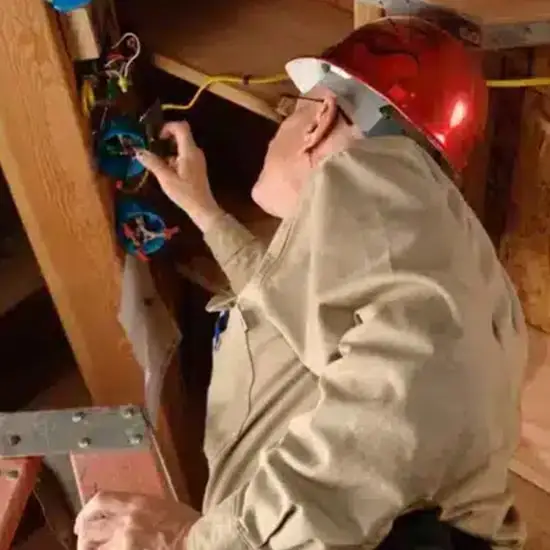

PRE PURCHASE BUILDING INSPECTION ASHFIELD
Investing in property is a major financial commitment—a Pre Purchase Building Inspection protects that investment. Our comprehensive reports are prepared by inspectors with extensive knowledge and experience of the local market.
Pre Purchase Building Inspections go beyond basic assessments. Each property receives a thorough evaluation from the foundation through the roof structure. Our trade-qualified inspectors assess structural components, weathertightness systems, electrical installations, and plumbing infrastructure in accordance with AS 4349.1-2007.
Schedule your Pre-Purchase Building Inspection to receive your report within 24-48 hours. Every report includes moisture testing results, structural analysis, and detailed documentation to support confident property negotiations.
WRITTEN BUILDING INSPECTION
Professional and Reliable Inspection reports to AS4349.1 reporting Standards
METH TESTING
Same-day onsite testing with your building inspection in all suburbs
VERBAL BUILDING INSPECTION
On site or over the phone verbal overview for time critical decisions




Ashfield's Unique Building Challenges
Ashfield differs from many inner west pockets because the housing map cleanly splits between dense station-belt flat buildings and long-established bungalow streetscapes preserved within multiple heritage conservation areas. Inner West Council’s planning settings encourage retention of street character while allowing substantial change behind the frontage and along Liverpool Road—creating many junctions where old masonry, enclosed verandahs, new lightweight additions, and outdoor rooms meet without a single coherent drainage story.
Heritage conservation, streetscapes, and incremental façade change
Ashfield contains several heritage conservation areas where Federation Queen Anne and inter-war Californian bungalow forms dominate—face brick or weatherboard, front verandahs, hipped roofs with terracotta or slate, and consistent picket or brick front fences. The streetscape reward is visual continuity; the inspection workload is incremental alteration.
Cement render over original face brick, aluminium window replacements, enclosed front verandahs, and non-original roof cladding often change how walls dry, how eaves breathe, and how roof water discharges without being obvious from a kerbside glance.
Inspection focus in these streets is usually on performance under rainfall rather than on campaign age: do valleys and box gutters clear quickly enough, where do downpipes actually terminate, and does the paving slope away from the footing line? Enclosed verandahs can trap humidity at the original external wall line while presenting as extra living space in photos. Rendered brick can mask fretting and damp tracking until internal skirtings, cornices, or subfloor timbers tell a slower story.
Semi-detached Federation pairs and coupled roof geometry
Rose Street–style semi-detached and similar paired-brick housing introduces terrace-like continuity without always requiring the same level of maintenance discipline. Buyers may assume their roof is independent, yet valleys, stepped roof lines, and shared gutter segments can behave as coupled systems—particularly when one side has been re-roofed or re-flashed in stages while the other has not.
Pattern recognition matters: staining that follows a straight party alignment, cornice marking that returns after wind-driven rain, and ceiling symptoms that do not map cleanly to a bathroom stack above. Maintenance access down tight side paths can also lead to deferred clearing of hidden gutter lengths, increasing the risk of overflow into vulnerable junctions at the party line.
Lower catchment pockets, rail corridor constraints, and overland flow
Parts of Ashfield sit within the broader Dobroyd Canal catchment, where historical flooding records and localised low points mean storm behaviour is not purely “roof and gutters.” During sustained wet weather, pit surcharging, neighbour hardstand changes, and sheet flow along rear lanes can produce garage dampness, salt staining on low masonry, and intermittent subfloor wetting that looks like a generic rising-damp story until grading and overland paths are read as a system.
The rail corridor and associated infrastructure can also restrict the movement of water across a catchment during intense events. This is not about catastrophe narratives—only about recognising that inner west “low points” can be subtle. A modest change upslope—new paving, a raised crossover, a redirected downpipe—can shift water across a boundary that previously coped.
Station corridor flats, walk-ups, and envelope sequencing
Closer to Ashfield station and along Liverpool Road, inter-war and post-war residential flats introduce a different defect cycle: concrete balconies and parapets, steel or early-aluminium windows, communal roof areas, and shared downpipe runs that require disciplined clearing. Individual lots can present immaculate interiors while corridor ceilings, stair bulkheads, or robe cavities show older repaint cycles tied to façade or roof-edge behaviour above.
Purchasers in this stock should expect more emphasis on vertical stacking of moisture drivers—balcony edge sealing, planter overspray, roof discharge near façade lines—and less on the subfloor ventilation themes that dominate detached bungalow blocks a few streets away.
Era-specific risk patterns in Ashfield
Federation and Californian bungalow stock often features generous roof catchments feeding gutters that are modest by modern burst expectations, plus sleeper subfloors sensitive to changes in perimeter paving and verandah enclosure. Face-brick semi-detached pairs from early estate subdivisions frequently show valley fatigue, chimney-shoulder weathering, and side-path hydraulic concentration on allotments that were never wide.
Inter-war walk-ups and small apartment blocks commonly exhibit parapet-edge fatigue, neglected communal gutters, and wet areas stacked along party or rear-lane elevations. Post-war fibro and weatherboard cottages on modest blocks often combine roof plumbing fatigue, brittle eaves, and subfloor zones that tolerate poorly executed rear expansions.
Newer infill and station-belt apartment stock introduces podium drainage, fence-line discharge, and tighter side clearances that must perform every storm—not only on inspection day.
Renovation sequencing behind retained street faces
Ashfield’s economics reward maximising bedrooms, enclosed verandahs, rear studios, and paved outdoor rooms while keeping a heritage-presentable frontage. The technical downside is staged sequencing: a new bathroom upstairs while the laundry wall line remains original; a rear deck built tight to brick without continuous drip discipline; a crossover upgrade that redirects sheet flow toward a side path that already carries multiple downpipes.
Purchasers benefit when inspections separate cosmetic renewal from performance renewal—particularly at parapet-adjacent roof edges, enclosed verandah perimeters, party-wall roof junctions, and rear thresholds where indoor cooling meets humid external air against ageing sealant lines.
Recent Inspection Examples
Example 1: Face brick Californian bungalow with an enclosed front verandah and side-path pour masking vent lines
We inspected a detached bungalow marketed as solid brick with a bright new kitchen and repainted interiors. Along the lounge cornice, a faint tide line returned after storms on the street-facing elevation; the vendor attributed it to “old roof tiles.”
The front verandah had been enclosed into a sunroom with aluminium glazing sitting on the original timber deck line, while a continuous concrete side path had been poured wall-to-fence for bin access. Subfloor access showed a vent line largely obstructed by the new pour and patchy damp concentrated along bearers on that flank.
Outside, two downpipes discharged onto the same narrow path without a clear grated pit in the discharge panel. Moisture drivers were combined—reduced subfloor drying, hydraulic concentration, and intermittent overflow at a valley discharge zone partly shaded by street-tree debris—rather than a single dramatic plumbing failure. The scenario was invisible from the listing hero shots, which focused on the kitchen and front fence line.
Example 2: Inter-war walk-up with ground-floor robe mould and a rear lane fall change after neighbour crossover works
A ground-floor flat in a small walk-up near the station corridor presented with tidy cosmetics but recurring mould spotting behind built-in robes along a rear-lane elevation. The buyer feared a slab defect. The common rear lane featured a recently re-sheeted crossover upslope with a slightly raised lip, directing sheet flow toward the subject’s garage threshold and a cluster of communal downpipes terminating on the same paved strip.
The garage slab rear wall showed intermittent efflorescence after heavy rain; corridor-side ceilings in the same bay exhibited older repaint cycles. Inspection mapped staining progression consistent with intermittent overland concentration and splash behaviour at the threshold zone rather than with a continuous in-unit plumbing leak.
The finding shifted practical discussion toward boundary drainage verification and communal discharge sequencing—work that cannot be resolved with internal paint or wardrobe replacement alone.
In Ashfield, inspection value usually comes from reading heritage perimeter behaviour, coupled with semi-detached roof geometry, and catchment-sensitive boundary hydraulics as one system. When those elements are integrated, ownership tends to feel predictable; when they are treated as isolated cosmetic issues, buyers often inherit a repeating wet-weather story.
We offer building inspections across Australia — Sydney, Melbourne, Perth, Adelaide, Canberra, Tasmania and Darwin.
Sydney locations include: Parramatta, Blacktown, Liverpool, Penrith, Campbelltown, Bankstown, Castle Hill, Baulkham Hills, Kellyville, Ryde, Hornsby, Bondi, Coogee, Randwick, Chatswood, Newtown, Marrickville, Leichhardt, Manly, Dee Why, Hurstville, Burwood, Strathfield, Epping and Auburn.
