Building Inspection Bankstown
BUILDING REPORT BANKSTOWN
Residential & Commercial Building Reports
Our Working Process
Book
Confirm
Inspect
Report
An on-site or over-the-phone verbal overview for time-critical decisions. Useful when you need an answer before an auction, a deadline, or a multi-offer situation.
Pre-purchase inspections occur before you make an offer or after acceptance, giving you crucial information about the property’s condition before you finalise your investment.
TESTING
Same-day on-site meth screening at your property. You'll know whether contamination is present before you commit to the purchase.
A pest inspection checks accessible areas of an Australian property for termites, borers, fungal decay and conditions that attract timber pests.
Builders Report Bankstown
What Our Inspectors Typically Find
Bankstown homes can present very well at first glance—fresh paint, new floors, a tidy yard—yet still hide the kinds of issues that only show up when you look closely at the roof space, subfloor, wet areas, and drainage. Many properties here have been updated in stages, and that “patchwork” history often leaves behind small defects that become expensive once moisture gets involved.
The housing stock in and around Bankstown is mixed. You’ll commonly see mid‑century fibro cottages, post‑war brick homes, 1970s–1990s brick veneer, and a steady supply of renovated family houses (often with rear additions, enclosed patios, or granny flats). Roofs vary from terracotta tiles to concrete tiles and, on some older homes or extensions, metal sheeting. This variety matters because each era has its own predictable weak points—especially where old and new construction meet.
On the outside, we regularly observe drainage and surface-water issues. Downpipes that discharge too close to footings, blocked or undersized stormwater, and paving that falls toward the house are common. In Bankstown, these aren’t “minor maintenance items” because persistent dampness can drive subfloor moisture, mouldy roof space conditions, and timber decay around windows, fascia, and door thresholds.
At the roofline, tile roofs can look serviceable from the street but still have cracked, displaced, or poorly seated tiles, tired sarking, and flashing that’s been disturbed during solar installs or earlier repairs. In heavy rain, small defects here don’t always show as obvious ceiling stains straight away—sometimes the first sign is damp insulation, mould growth, or soft plaster around cornices.
Inside, bathrooms and laundries are frequent problem areas—particularly where an older wet area has been cosmetically updated. We see showers with inadequate falls, swollen vanity kickboards, loose tiles, and moisture impacts around door jambs. Kitchens and laundries can show similar patterns: leaks under sinks, deteriorated cabinet bases, and water-stained areas that have been painted over.
We also often find cracking and movement indicators that need careful interpretation. Some is cosmetic (age-related plaster cracking), but some relates to ground movement, altered drainage, or changes in load paths after renovations. You’ll sometimes see step cracking in brickwork, separation at cornices, sticking doors, or uneven floors—especially where extensions were added at different times and tied into the original structure.
Subfloors (where accessible) can reveal the story a property isn’t telling upstairs. Common findings include high humidity, signs of past plumbing leaks, damp soil, and timber bearers or joists with early decay. Even where termite activity isn’t present, the conditions that attract it—moisture, poor ventilation, timber-to-ground contact, and garden beds built up against walls—are frequently there.
The standout local risk we flag most often in Bankstown is poor stormwater management and surface drainage around the house. It’s the issue that quietly amplifies everything else: it worsens movement, increases dampness, shortens the life of timber elements, and raises the likelihood of mould and pest pressure. A home can be beautifully renovated inside, but if roof water and site water aren’t effectively drained away, defects tend to reappear.
The practical takeaway for buyers is that the condition varies sharply from street to street and even house to house, depending on how consistently maintenance has been done and how renovations were detailed. A careful inspection helps separate “normal age and wear” from moisture and movement issues that may need targeted rectification—so you can budget accurately and avoid surprises after settlement.
+
+
BUILDING INSPECTOR BANKSTOWN
24-48 Hour Report Delivery Guaranteed
Looking for a Building Inspector in Bankstown? Our trade-qualified inspectors provide thorough building reports within 24-48 hours, combining speed with meticulous attention to detail.
Our building inspection service is perfect for time-sensitive property purchases. Each inspector carries professional indemnity insurance and brings deep knowledge of your local market and common building challenges. All inspections comply with AS 4349.1-2007 standards for comprehensive, reliable assessments.
Property buyers rely on our inspection expertise for accurate, actionable assessments. Every report delivers a complete structural evaluation, weather-tightness analysis, and maintenance requirements—giving you the information you need to make confident purchasing decisions on schedule.

PRE PURCHASE BUILDING INSPECTION BANKSTOWN
Investing in property is a major financial commitment—a Pre Purchase Building Inspection protects that investment. Our comprehensive reports are prepared by inspectors with extensive knowledge and experience of the local market.
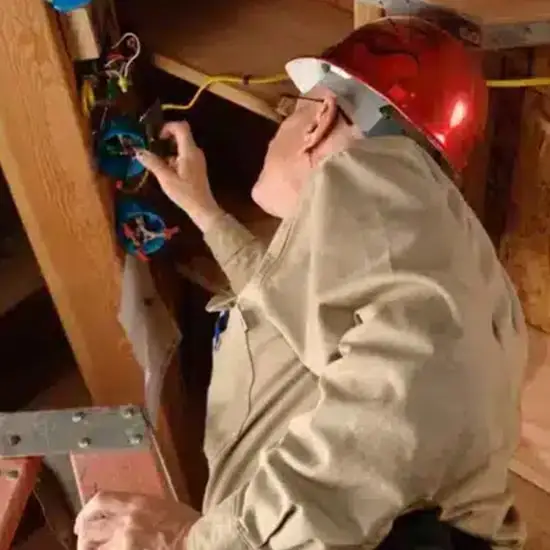
Pre Purchase Building Inspections go beyond basic assessments. Each property receives a thorough evaluation from the foundation through the roof structure. Our trade-qualified inspectors assess structural components, weathertightness systems, electrical installations, and plumbing infrastructure in accordance with AS 4349.1-2007.
Schedule your Pre-Purchase Building Inspection to receive your report within 24-48 hours. Every report includes moisture testing results, structural analysis, and detailed documentation to support confident property negotiations.
WRITTEN BUILDING INSPECTION
Professional and Reliable Inspection reports to AS4349.1 reporting Standards
METH TESTING
Same-day onsite testing with your building inspection in all suburbs
VERBAL BUILDING INSPECTION
On site or over the phone verbal overview for time critical decisions




Bankstown's Unique Building Challenges
Bankstown sits in a part of Sydney where many homes have lived several lives: original post‑war builds, one or two generations of additions, and then modern upgrades intended to suit today’s family living. That layered history, combined with local soil and drainage behaviours, creates a pattern of issues that’s a bit different from suburbs dominated by a single construction era.
The most important theme we see in inspections is interface risk—problems that emerge where old meets new, where hard paving meets garden beds, and where roof water meets a site that doesn’t shed it cleanly.
Ground movement and “hidden” drainage mistakes
Even modest ground movement can show up as cracking, uneven floors, and gaps at skirtings or cornices—particularly when a property’s drainage has been altered by renovations, new concrete, or landscaping. In Bankstown, we often see:
- Downpipes connected to stormwater that is blocked, broken, or undersized
- Overflow relief gully areas affected by surface water pooling
- Courtyards and driveways that fall toward the house after resurfacing
- Garden beds built up above weep holes or against cladding
These are not just cosmetic concerns. When water sits against the building, it can soften the soil and increase the likelihood of differential movement. Over time, you may see cracking in the masonry, separation at the junction between the original house and the extension, and persistent dampness in the lower walls. The tricky part is that many of these problems are easy to miss in dry weather—everything looks fine until a series of heavy rain events tests the system.
What makes this challenge “Bankstown-shaped” is how common it is for properties to have been reworked externally: widened driveways, tiled patios, enclosed verandas, and backyard improvements that unintentionally change drainage paths. A neat finish can mask poor falls, missing drainage points, or stormwater that was never properly connected.
Post‑war fibro and mid‑century detailing that ages differently
Fibro cottages and older mixed-material homes are still common in the area. These properties can be great buying opportunities, but their performance depends heavily on how they’ve been maintained and modified. Issues we regularly plan for in this era include:
- Weathered external joinery and degraded seals at windows/doors
- Older roof plumbing and flashings reaching end-of-life
- Ceiling and wall linings that hide earlier moisture events
- Subfloor ventilation has been reduced by later landscaping
Where fibro homes have been renovated, a common risk is that the internal finishes look new while the building-envelope details remain “old-school.” For example, a new bathroom may be installed without properly addressing ventilation, fall hazards, or the room's broader moisture management. Likewise, re‑cladding or rendering can change how walls dry out after rain, which matters if water is getting behind the finish.
If you’re buying one of these homes, the most useful mindset is to treat it as a system: roof, gutters, downpipes, subfloor airflow, and ground levels all working together. A weakness in one area often shows up elsewhere as mould, swelling, or timber deterioration.
Renovations, additions, and secondary dwellings: junctions that leak
Bankstown has a strong market for extensions and secondary dwellings, and many properties have been upgraded to add bedrooms, open-plan living, or separate accommodation. The challenge isn’t that additions are “bad”—it’s that the junctions between the original house and the new work are where defects concentrate. Common patterns include:
- Roof tie-ins that rely on short flashings or improvised sealants
- Changes in ceiling heights creating difficult roof-space transitions
- External doors and thresholds set too low relative to paving
- Wet areas added at the rear with limited natural ventilation
We also see situations where services were extended quickly: undersized stormwater, plumbing runs with poor access for maintenance, or electrical additions that are difficult to verify without invasive inspection. Even when everything looks tidy, a careful check of moisture-prone junctions (rear walls, around new openings, under balconies or decks) often reveals early warning signs.
For buyers, this means paying particular attention to the back half of the house. If the property has a new kitchen, laundry, rear bathroom, or a large outdoor entertaining area, the inspection should focus on drainage falls, flashing details, and signs of moisture tracking—not just the appearance of the finishes.
Termite pressure and moisture: conditions that invite trouble
Across Sydney, termites are a reality, but what increases risk in Bankstown-style properties is how often we see the enabling conditions. The biggest contributors are moisture and concealed access:
- Leaking exterior taps or air-con condensate lines discharging near walls (where present)
- Subfloor dampness from poor drainage or limited ventilation
- Timber sleepers and garden edging installed against structures
- Dense plantings and stored materials that hide slab edges and lower walls
The goal is not to be alarmist; it’s to be practical. When moisture and concealment are present, timber elements and concealed framing are more vulnerable. This is especially relevant when a property has been heavily landscaped or when renovations have introduced new timber structures, such as decks, pergolas, or privacy screens, close to the main building.
Recent Inspection Examples
Example 1: Rear extension with persistent dampness after rain
In a renovated family home near local retail and bus routes, the interior presented well—new floors and a modern kitchen at the rear. During inspection, we noted minor staining at the skirting line and a musty odour in the back living area.
Externally, the paved entertaining area fell slightly toward the rear wall, and two downpipes discharged into a grated pit that showed signs of overflow and sediment build-up. In the roof space above the extension, there were damp sections of insulation near a roof junction where the flashing was minimal. The combined issue wasn’t one “big leak,” but several small pathways that delivered water to the same part of the structure during heavy weather.
Example 2: Older brick home with movement signs linked to site water
In a 1970s brick home with an updated bathroom and laundry, we observed step cracking at a corner and an internal door that had developed a sticking issue over time. The garden had been raised with new soil and edging, and several weep holes were partially covered.
Downpipes were connected, but surface water was pooling along the side path after hosing, indicating poor drainage. Subfloor conditions (where accessible) showed elevated dampness and limited airflow due to later landscaping. The movement indicators were consistent with drainage and ground moisture issues rather than a single isolated structural defect, highlighting how small site changes can compound into noticeable symptoms.
In Bankstown, the best results come from treating drainage, moisture control, and renovation junctions as the priority checks. When those are sound, the rest of the property’s condition is much easier to interpret—and ongoing maintenance is usually more predictable.
We offer building inspections across Australia — Sydney, Melbourne, Perth, Adelaide, Canberra, Tasmania and Darwin.
Sydney locations include: Parramatta, Blacktown, Liverpool, Penrith, Campbelltown, Castle Hill, Baulkham Hills, Kellyville, Ryde, Hornsby, Bondi, Coogee, Randwick, Chatswood, Newtown, Marrickville, Leichhardt, Ashfield, Manly, Dee Why, Hurstville, Burwood, Strathfield, Epping and Auburn.
