Building Inspection Kellyville
BUILDING REPORT KELLYVILLE
Residential & Commercial Building Reports
Our Working Process
Book
Confirm
Inspect
Report
An on-site or over-the-phone verbal overview for time-critical decisions. Useful when you need an answer before an auction, a deadline, or a multi-offer situation.
Pre-purchase inspections occur before you make an offer or after acceptance, giving you crucial information about the property’s condition before you finalise your investment.
TESTING
Same-day on-site meth screening at your property. You'll know whether contamination is present before you commit to the purchase.
A pest inspection checks accessible areas of an Australian property for termites, borers, fungal decay and conditions that attract timber pests.
Builders Report Kellyville
What Our Inspectors Typically Find
Kellyville properties often look modern, spacious, and well-kept at first glance. Many homes present with polished interiors, landscaped yards, and contemporary façades, suggesting low risk. In practice, our inspectors still find recurring issues that can lead to meaningful post-purchase costs, especially around roof drainage, moisture control, and workmanship at extension or renovation junctions.
Compared with older middle-ring suburbs, Kellyville has a higher proportion of late-1990s-to-recently constructed housing, plus a layer of earlier homes that have been heavily updated. Typical detached stock includes brick-veneer family homes, two-storey project-style builds, tiled-and-metal roof combinations, and properties with added outdoor entertaining structures. This style mix means many homes are not “old” in a traditional sense, but they can still show defects where materials, detailing, and maintenance have fallen out of sync.
Roof and stormwater performance is one of the first practical themes we assess. We commonly identify blocked gutters, undersized downpipe discharges at key points, and deterioration of valleys or flashing around penetrations and roof geometry changes. Where homes have complex roof forms with multiple valleys, hips, and parapet-like transitions, water management can become sensitive to even minor maintenance lapses. Internally, the first signs may be subtle: dampness in insulation, localised ceiling staining, or recurring paint bubbling near cornice lines.
Site grading and surface drainage are equally important in Kellyville, particularly across large blocks where landscaping has been upgraded over time. We frequently document falls that direct water toward the house, stormwater pits with restricted flow, and hardstand areas that pond during heavy rain events. On homes with rear entertaining zones or side-access paving, these drainage pathways can repeatedly load moisture against thresholds and lower wall sections.
Wet areas and laundry zones remain common defect points, even in relatively new homes. We see failed sealant joints, moisture ingress around shower screens, and slow plumbing leaks under vanities or sinks that remain hidden until the cabinetry swells or the skirtings soften. In staged renovations, the visible finish quality can be high while the behind-the-surface details are less robust, particularly at floor-wall junctions and at transitions between original and altered plumbing layouts.
Subfloor and perimeter risk depend heavily on house design and how the site has been finished. In properties where ventilation is reduced by landscaping, stored materials, or enclosed under-house areas, persistent dampness can develop even without a major leak event. Termite pressure across Sydney varies locally, so our inspections focus on conditions conducive to termite activity: moisture retention, concealed access paths, and timber elements close to damp ground.
The standout local risk we flag for Kellyville buyers is compounded moisture load from roof runoff and site drainage on larger, landscaped blocks. A single defect may be manageable, but when gutter overflow, marginal falls, and wet-area seepage occur together, deterioration tends to reappear in cycles, and rectification costs rise.
For buyers, the key point is that age alone is not a reliable guide. A newer home with complex detailing and deferred maintenance can present more risk than an older house with disciplined upkeep. Detailed inspection findings help distinguish cosmetic appeal from the defects that will influence ownership costs in the first years after settlement.
+
+
BUILDING INSPECTOR KELLYVILLE
24-48 Hour Report Delivery Guaranteed
Looking for a Building Inspector in Kellyville? Our trade-qualified inspectors provide thorough building reports within 24-48 hours, combining speed with meticulous attention to detail.
Our building inspection service is perfect for time-sensitive property purchases. Each inspector carries professional indemnity insurance and brings deep knowledge of your local market and common building challenges. All inspections comply with AS 4349.1-2007 standards for comprehensive, reliable assessments.
Property buyers rely on our inspection expertise for accurate, actionable assessments. Every report delivers a complete structural evaluation, weather-tightness analysis, and maintenance requirements—giving you the information you need to make confident purchasing decisions on schedule.

PRE PURCHASE BUILDING INSPECTION KELLYVILLE
Investing in property is a major financial commitment—a Pre Purchase Building Inspection protects that investment. Our comprehensive reports are prepared by inspectors with extensive knowledge and experience of the local market.
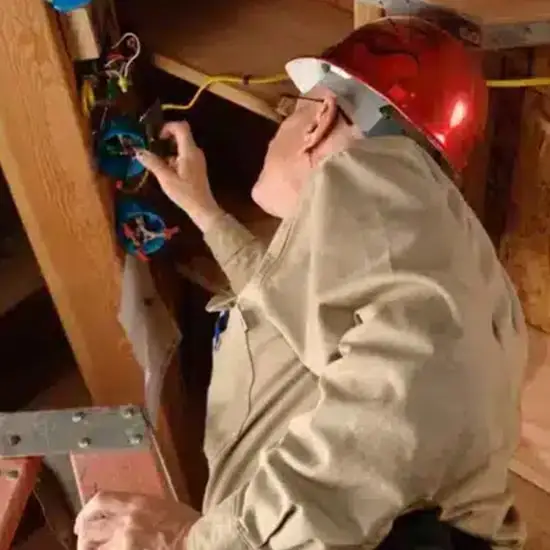
Pre Purchase Building Inspections go beyond basic assessments. Each property receives a thorough evaluation from the foundation through the roof structure. Our trade-qualified inspectors assess structural components, weathertightness systems, electrical installations, and plumbing infrastructure in accordance with AS 4349.1-2007.
Schedule your Pre-Purchase Building Inspection to receive your report within 24-48 hours. Every report includes moisture testing results, structural analysis, and detailed documentation to support confident property negotiations.
WRITTEN BUILDING INSPECTION
Professional and Reliable Inspection reports to AS4349.1 reporting Standards
METH TESTING
Same-day onsite testing with your building inspection in all suburbs
VERBAL BUILDING INSPECTION
On site or over the phone verbal overview for time critical decisions




Kellyville's Unique Building Challenges
Kellyville has expanded through multiple waves of development, from older semi-rural parcels to dense, modern family housing pockets. That growth pattern creates a unique inspection profile: many homes are relatively recent, but the surrounding site works, drainage infrastructure, and alterations have been layered over time. The result is that water behaviour and building performance can vary sharply from one street to the next.
1) Large footprints, complex roof geometry, and stormwater concentration
A common Kellyville characteristic is large, detached homes with wide roof spans, multiple valleys, and several junction types that feed into a limited number of drainage points. These roofs are not inherently problematic, but they are less forgiving when maintenance slips. Leaf debris, silt buildup, and minor flashing fatigue can reduce flow efficiency and push overflow to vulnerable locations.
In inspections, we regularly find that the roof appears sound from ground level while hidden warning signs are present in the roof space: damp insulation near a valley edge, rusting at metal connections, staining around penetrations, or repeated patch repairs around skylight and vent junctions. Where additions have been made to alfresco areas or upper-storey zones, tie-in details are often the first places where seepage occurs.
The challenge for buyers is the cumulative effect. One blocked section of gutter may not seem urgent, but when combined with intense rainfall and marginal discharge capacity, water can track into fascia, eaves, and ceiling interfaces. Addressing only the visible symptom usually leads to recurrence.
2) Landscaping upgrades and altered surface-water paths
Kellyville homes commonly feature significant landscaping, including retaining edges, raised gardens, decorative paving, and expanded outdoor entertaining areas. These upgrades improve the site's lifestyle appeal, but they can quietly alter how surface water flows across the site. If the falls are marginal or the stormwater points are undersized, runoff may repeatedly accumulate near doors, side walls, or retaining corners.
We often see “partial fixes” that improve appearance without resolving the underlying pathway: resurfaced paving with little gradient correction, new drainage grates tied into older lines with reduced capacity, or garden build-ups that hold moisture against wall bases. Over time, this can contribute to damp skirtings, render softening, and localised signs of movement where soils are repeatedly wetted and dried.
Split-level and gently sloping blocks add another layer of complexity. Lower-side rooms and perimeter zones can carry a higher moisture load, especially after heavy weather. In these homes, inspection of discharge points, overflow behaviour, and retaining interfaces is critical to understanding ongoing risk.
3) Newer-home assumptions versus real wet-area and junction wear
Because much of Kellyville’s housing is newer, buyers sometimes assume that wet areas and services are low-risk by default. Our inspections show a more nuanced picture. Even in modern homes, shower edge sealing, floor-wall junction detailing, and ventilation effectiveness can degrade faster than expected when maintenance has been reactive.
In bathrooms and laundries, repeated minor leakage can keep framing and linings damp for long periods without dramatic immediate signs. We frequently identify concealed moisture at vanity kickboards, behind skirting lines, and near door jambs adjoining wet areas. In kitchens, slow leaks at connectors or waste fittings can produce similar patterns beneath cabinetry.
Junction risk also rises where homes have been altered in stages. Rear extensions, enclosed patios, and converted utility spaces can introduce additional roof transitions and service reroutes. If these interfaces were detailed inconsistently, moisture can bypass the intended barriers and reappear as recurring cosmetic damage inside.
Era-specific risk profile in Kellyville
Late-1990s to early-2010s homes often combine large layouts with roof and drainage systems that now require proactive upkeep. Materials may still appear modern, but sealants, flashings, and connection points can be reaching a maintenance-intensive phase.
More recent homes can still present risks where building details, ventilation, and drainage finishes were marginal from the outset, or where site modifications changed water pathways after completion. Older pockets of Kellyville, while fewer in number, may include mixed-material elements and long renovation histories that shift risk toward interfaces rather than headline age.
Why maintenance history matters more than appearance
Kellyville has many properties that photograph exceptionally well. Presentation quality, however, does not always reflect whether moisture pathways have been resolved. Fresh paint, new flooring, and tidy landscaping can mask repeating dampness if roof discharge, falls, and wet-area detailing are not functioning as a coordinated system.
For this reason, we place emphasis on pattern recognition: where moisture has appeared before, how repairs were executed, and whether multiple small defects are connected by the same water path. Buyers who focus only on isolated defects can miss the broader mechanism driving recurrence.
Recent Inspection Examples
Example 1: Two-storey family home with recurring upper-level staining
We inspected a two-storey brick-veneer home with a contemporary fit-out and a strong street presence. The buyer had noticed intermittent staining near an upstairs cornice after major rainfall. Roof-space inspection identified damp insulation and staining adjacent to a valley-to-penetration junction, with evidence of prior patch repairs.
Externally, gutter sections in the same run were carrying leaf and silt buildup that reduced effective flow. The issue was resolved as a linked roof-drainage problem rather than a single internal paint defect.
Example 2: Modern home on sloping block with lower-side damp odour
A modern detached home on a gently sloping lot features high-quality finishes and newly refreshed landscaping. During inspection, moisture indicators were elevated on the lower-side internal wall near the rear access zone, and a mild damp odour was present after recent rain.
External checks found that paving falls direct water toward that perimeter, along with a constrained discharge capacity at a nearby pit. In the laundry, a slow connector leak had added an ongoing moisture load to the same side of the house. The combined findings explained why dampness persisted despite prior cosmetic repairs.
In Kellyville, the most valuable inspection outcomes come from treating roof drainage, site falls, and wet-area detailing as one connected system. When those elements are aligned, maintenance remains predictable; when they are not, defects tend to recur and ownership costs can escalate faster than buyers expect.
We offer building inspections across Australia — Sydney, Melbourne, Perth, Adelaide, Canberra, Tasmania and Darwin.
Sydney locations include: Parramatta, Blacktown, Liverpool, Penrith, Campbelltown, Bankstown, Castle Hill, Baulkham Hills, Ryde, Hornsby, Bondi, Coogee, Randwick, Chatswood, Newtown, Marrickville, Leichhardt, Ashfield, Manly, Dee Why, Hurstville, Burwood, Strathfield, Epping and Auburn.
