
Building Inspection Campbelltown
BUILDING REPORT CAMPBELLTOWN
Residential & Commercial Building Reports
Our Working Process
Book
Confirm
Inspect
Report
An on-site or over-the-phone verbal overview for time-critical decisions. Useful when you need an answer before an auction, a deadline, or a multi-offer situation.
Pre-purchase inspections occur before you make an offer or after acceptance, giving you crucial information about the property’s condition before you finalise your investment.
TESTING
Same-day on-site meth screening at your property. You'll know whether contamination is present before you commit to the purchase.
A pest inspection checks accessible areas of an Australian property for termites, borers, fungal decay and conditions that attract timber pests.
Builders Report Campbelltown
What Our Inspectors Typically Find
Campbelltown scans like two housing stories stitched together: long-established suburbs where brick veneer and fibro cottages matured through decades of DIY upgrades, and newer Macarthur growth estates where tight blocks, fresh landscaping, and crisp façades can hide drainage habits that only reveal themselves after the first serious storm season. Auction photos favour wide-angle living rooms and tidy streetscapes — they seldom highlight what our inspectors spend time tracing in Campbelltown: how moisture moves across small allotments after heavy rain, and how reactive soils translate that moisture into cracking patterns that buyers mistake for cosmetic plaster issues.
Detached homes across the council area skew heavily toward mid-century expansion housing through to the 1990s–2000s brick veneer house on slab or conventional footings, increasingly neighboured by greenfield builds from the last ten to fifteen years, where PVC stormwater runs are brand-new — but junction quality, finishes around penetrations, and surface falls against the slab edge remain human execution problems. Roofing is commonly concrete terracotta tiles with ageing bedding and pointing, older corrugated steel roofs with patch replacements, or contemporary metal profiles on newer roofs where penetrations cluster around solar and services.
Rainwater goods fail predictably across eras: blocked gutters after dry spells, sagging clips, rusted valley trays at overlaps, and downpipes that discharge onto paths rather than working pits. Campbelltown reliably catches South Western Sydney storm cells; minor maintenance gaps quickly become stained ceilings when wind-driven rain exploits failed seals at skylights and tiled roof penetrations.
Internally, wet-area leaks follow familiar regional themes — failed flexis, breached shower membranes at hob corners, slow WC seal weeps, and laundry trough wastes vibrating loose in cabinetry. Particle board swelling at thresholds and bubbling skirting paint often appears before vendors admit “a little shower leak.” Rental-held stock is common in older corridors; turnover painting can conceal historical staining until moisture mapping detects residual salts in the plaster.
Asbestos cement materials remain prevalent in housing built before the mid-1980s — eaves, wet-area linings, external cladding patches, and older laundry walls. Buyers planning immediate renovations should budget for careful sequencing where sheets might be disturbed incidentally.
Timber pest pressure is part of life across Greater Sydney; Campbelltown is no exception. Subterranean termites route along damp soil contacts, bridged termite shields, timber ground-clearance failures under decks, and perennial leaks that keep subfloor timber humid. We frequently document conducive conditions separate from visible colony activity.
The standout risk we emphasise for Campbelltown buyers is moisture and drainage behaviour on small, reworked allotments combined with reactive clay soils — especially where newer estates shed roof and paving runoff toward neighbouring boundaries, where spoon drains sit higher than lawn bowls holding water against weepholes, and where reactive ground amplifies modest grading defects into staged brick cracking and binding doors. Older suburbs add the second layer: decades of incremental paving, shed slabs, and garden edging that reroute runoff in ways aerial photos never show.
Maintenance culture varies sharply between investor portfolios, long-term locals, and first-home buyers entering near-new stock, assuming “builder warranty solved everything.” Our inspection focus remains practical: roof renewal scope, rainwater discharge discipline, wet-area integrity, slab-edge and subfloor moisture signatures, and timber pest pathways.
+
+
BUILDING INSPECTOR CAMPBELLTOWN
24-48 Hour Report Delivery Guaranteed
Looking for a Building Inspector in Campbelltown? Our trade-qualified inspectors provide thorough building reports within 24-48 hours, combining speed with meticulous attention to detail.
Our building inspection service is perfect for time-sensitive property purchases. Each inspector carries professional indemnity insurance and brings deep knowledge of your local market and common building challenges. All inspections comply with AS 4349.1-2007 standards for comprehensive, reliable assessments.
Property buyers rely on our inspection expertise for accurate, actionable assessments. Every report delivers a complete structural evaluation, weather-tightness analysis, and maintenance requirements—giving you the information you need to make confident purchasing decisions on schedule.

PRE PURCHASE BUILDING INSPECTION CAMPBELLTOWN
Investing in property is a major financial commitment—a Pre Purchase Building Inspection protects that investment. Our comprehensive reports are prepared by inspectors with extensive knowledge and experience of the local market.
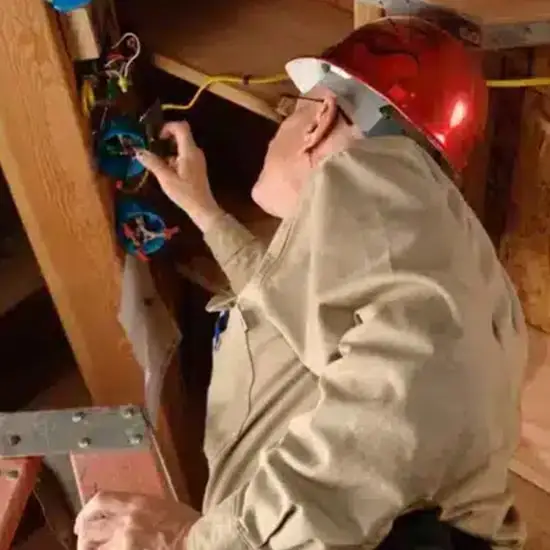
Pre Purchase Building Inspections go beyond basic assessments. Each property receives a thorough evaluation from the foundation through the roof structure. Our trade-qualified inspectors assess structural components, weathertightness systems, electrical installations, and plumbing infrastructure in accordance with AS 4349.1-2007.
Schedule your Pre-Purchase Building Inspection to receive your report within 24-48 hours. Every report includes moisture testing results, structural analysis, and detailed documentation to support confident property negotiations.
WRITTEN BUILDING INSPECTION
Professional and Reliable Inspection reports to AS4349.1 reporting Standards
METH TESTING
Same-day onsite testing with your building inspection in all suburbs
VERBAL BUILDING INSPECTION
On site or over the phone verbal overview for time critical decisions




Campbelltown's Unique Building Challenges
Campbelltown sits inside the Greater Macarthur storyline — growth corridors, new schools and retail pods, and expanding transport links — while still carrying a mature inner ring where housing ages overlap like geological strata. That matters because defect economics differ: a failed balcony perimeter drain on a newer townhouse cluster can be as consequential as a tired terracotta roof on a 1970s detached house, even though the presentation and repair pathways look nothing alike.
Greenfield estates: fast delivery, tight blocks, and drainage habits
Near-new housing can feel reassuringly crisp, yet inspectors still find recurring execution risks: stormwater pits buried under mulch, paving laid flat against weep holes, planter beds trapping moisture against brick veneer, and low rear fences that allow neighbour yard drainage to sheet across the boundary turf toward your slab edge.
Campbelltown’s newer allotments are often optimised for yield — smaller side setbacks, narrower swales, and rear lanes where vehicle-crossing scrapers disturb spoon-drain falls after a few years of use. Buyers should treat “looks new” as unrelated to “drains reliably under stress.”
When reactive clay underlies those estates — common across South Western Sydney — seasonal soil moisture swings can turn a small negative fall detail into recurring movement signatures at window heads and garage corners.
Attached housing strips amplify that mathematics because runoff shares boundaries — one neighbour’s downpipe extension resting on your fence line can quietly redefine sheet flow across mutual turf during a twenty-minute deluge.
Established suburbs: layered paving, sheds, and rerouted runoff
Older Campbelltown rings frequently exhibit incremental site changes: second-driveway pours, pool surrounds, Colourbond sheds on thin slabs, and retaining edges added without holistic grading redesign. Each alteration can bias runoff toward one façade.
Creek corridors and local tributaries also sharpen buyer awareness of floodplain thinking in some precincts; even in the absence of inundation of floor levels, chronic humidity in subfloors and garages correlates with nearby shallow groundwater behaviour during wet sequences, compounded by blocked pits uphill.
Older garages deserve close scrutiny — tilt-door bottom seals perish, slab throats crack, and driveway grades subtly reverse after vehicles polish bitumen approaches over years — creating routes for stormwash to lap brick skins without visibly entering the living envelope.
Roof-space realities across decades
Heritage-rich roof framing is not the dominant Campbelltown story; pragmatic truss-era roofs are. Inspectors watch for sagging ceiling lining indicative of long-term tray corrosion, displaced bedding at hips driven by thermal cycling, and brittle penetration boots dated to cheap retrofit eras.
Second-storey additions and patio enclosures remain common modification vectors — they introduce valleys where debris collects after windy storms and concentrate penetrations where flashing continuity either succeeds as a system or leaks locally while the field roof remains superficially acceptable.
Era-specific stock notes
Post-war through 1970s cottages near older centres commonly combine hardwood framing with fibro-cement cladding and modest wet areas, stressed by modern shower retrofits. Multiple partial bathroom renovations stack finishes and conceal lateral leaks along wall plates.
1980s–2000s brick veneer houses frequently have partially renewed roofs, dated drainage runs at the rear, decks bearing onto the brick veneer without adequate clearance, and patios enclosed without rebuilding the step-flashing sequences.
Near-new detached and attached products shift failure modes toward perimeter drainage execution, lightweight truss quirks after undocumented ceiling alterations, and rapid silicone ageing at aluminium joinery exposed to western sun.
Renovations, paperwork, and what verification buys you
Campbelltown renovates actively — kitchens opened into living zones, garages converted, studios added. Documentation helps buyers understand the stated structural intent, particularly where walls were removed; inspectors still verify the execution of vulnerable junctions, such as deck ledgers, lintel bearings, and wet-area rebuild sequencing, after tiled showers replaced simpler trays.
Where additions join older slabs, threshold falls, and membrane continuity predict chronic leaks during wind-driven rain, premium kitchens won’t fix negative grading outside sliding doors.
Timber pests where irrigation meets gardens
Macarthur Gardens mature quickly; automated irrigation mis-set against façades is a mundane conduit for damp soil beside slab edges. Stored firewood against vents and landscaping mulch piled against brickwork commonly appear on inspection notes — not melodrama, just repeatable conducive habits.
Older antenna cabling penetrations, DIY laundry vents punched through walls without proper sleeves, and dog-door cuts through laundry doors also rank among the small-envelope breaches that western Sydney termites exploit once damp soil reliably sits against the building line.
Recent Inspection Examples
Example 1 — Near-new estate rear lane allotment
We inspected a recently constructed detached house that appeared immaculate — fresh turf, narrow side setbacks, and a rear-lane garage crossing that looked innocuous. After moderate preceding rainfall, garden beds along one flank remained visibly sodden; exterior grading directed lawn runoff toward a garage wall line where weepholes sat partially obstructed by garden edging.
Internally, plaster showed hairline cracking concentrated at the garage-return corner; the roof space showed no signs of acute leak staining. The meaningful finding was drainage concentration against reactive clay beside the slab edge — prompting regrading, a review of subsurface drainage, and the isolation of irrigation spray zones, rather than an unnecessary debate over roof replacement.
Example 2 — 1970s brick veneer near a local creek reserve
A buyer-targeted “solid starter home” presented with recent interior paint and new floating floors. Subfloor access revealed persistent damp odour despite dry weather; ant caps showed corrosion spotting, and there was evidence of historic termite shelter tubing cleaned from pier faces without systemic remediation.
Bathroom silicone joints looked neat, but traces of leakage stains existed at a hob nib inside an adjoining robe partition — a separate issue from subfloor humidity, but economically meaningful if floors had been laid without resolving membrane continuity.
Externally, an old garden pond feature sat abandoned but retained shallow pooling inches from the slab vents — removed per recommendation, alongside plumbing leak checks at the perimeter taps.
We offer building inspections across Australia — Sydney, Melbourne, Perth, Adelaide, Canberra, Tasmania and Darwin.
Sydney locations include: Parramatta, Blacktown, Liverpool, Penrith, Bankstown, Castle Hill, Baulkham Hills, Kellyville, Ryde, Hornsby, Bondi, Coogee, Randwick, Chatswood, Newtown, Marrickville, Leichhardt, Ashfield, Manly, Dee Why, Hurstville, Burwood, Strathfield, Epping and Auburn.
