Building Inspection Chatswood
BUILDING REPORT CHATSWOOD
Residential & Commercial Building Reports
Our Working Process
Book
Confirm
Inspect
Report
An on-site or over-the-phone verbal overview for time-critical decisions. Useful when you need an answer before an auction, a deadline, or a multi-offer situation.
Pre-purchase inspections occur before you make an offer or after acceptance, giving you crucial information about the property’s condition before you finalise your investment.
TESTING
Same-day on-site meth screening at your property. You'll know whether contamination is present before you commit to the purchase.
A pest inspection checks accessible areas of an Australian property for termites, borers, fungal decay and conditions that attract timber pests.
Builders Report Chatswood
What Our Inspectors Typically Find
Chatswood sells on convenience—major retail, dining strips, fast rail to the city, and a skyline that signals “established upper north shore” without the harbour-front price tag of closer-in precincts. Listing photos lean on renovated kitchens, district views from higher levels, and a walk-to-everything lifestyle.
Under that gloss, inspections in Chatswood often uncover a split personality: pockets of modest post-war houses and walk-up flats sitting beside deep strata towers, retail podiums, and basement carparks engineered for a different hydraulic and maintenance workload than many buyers assume.
The building stock we routinely see includes fibro and weatherboard cottages on tight allotments (increasingly surrounded by redevelopment), brick-veneer and full-brick houses from the 1960s through the 1990s, low-rise brick apartment blocks, and a large volume of mid-rise and high-rise strata product from the 1970s onward, through to recent towers. Roof types range from concrete tile and terracotta on older detached homes to metal deck roofing on additions, with extensive membrane and metal roof zones over podiums, plant decks, and terrace levels in strata buildings.
Externally, drainage and envelope junctions drive many first-pass observations. North Shore rainfall can arrive hard and fast; where gutters are undersized for modern burst intensity, valleys are debris-choked from street or boundary trees, or downpipes discharge against paths that slope toward the house, we commonly find staining at eaves, damp garage slabs, and uneven subfloor moisture even when the roof surface looks acceptable from kerb height.
In strata buildings, buyers often focus on the unit fit-out while inspection attention shifts to upstream behaviour: balcony thresholds, sliding door tracks, planter interfaces on common property, and ceiling symptoms that line up with corridor or plant areas rather than with the lot directly overhead. Basement and podium levels can show efflorescence, localised ponding marks, and service penetration clusters where storm loads or drainage maintenance cycles have been stressed during severe weather events.
Inside detached stock, bathrooms and laundries are frequently upgraded to suit rental demand or resale campaigns. Sharp tiles and new vanities can sit on older wet-area substrates where hob junctions, penetration sealing, and falls were not fully rebuilt. Secondary dwellings and attic conversions—common where land value rewards extra lettable space—introduce roof penetrations, services, and ventilation paths that were not part of the original house logic.
The standout local risk we flag most often in Chatswood is strata- and podium-adjacent moisture behaviour: symptoms appear inside a lot, while the active pathway lies in shared roof zones, planter edges, podium decks, or basement drainage systems that are not obvious from a standard walk-through. In detached pockets, the parallel risk is hydraulic overload at boundaries—paving, retaining steps, and concentrated downpipe discharge—rather than a single dramatic roof failure.
For purchasers, the practical takeaway is that “Chatswood condition” is not one profile. A cottage on a battleaxe block, a 1980s brick townhouse, and a tower apartment above retail can each present well while carrying very different envelope duty, drainage sequencing, and long-term maintenance exposure.
+
+
BUILDING INSPECTOR CHATSWOOD
24-48 Hour Report Delivery Guaranteed
Looking for a Building Inspector in Chatswood? Our trade-qualified inspectors provide thorough building reports within 24-48 hours, combining speed with meticulous attention to detail.
Our building inspection service is perfect for time-sensitive property purchases. Each inspector carries professional indemnity insurance and brings deep knowledge of your local market and common building challenges. All inspections comply with AS 4349.1-2007 standards for comprehensive, reliable assessments.
Property buyers rely on our inspection expertise for accurate, actionable assessments. Every report delivers a complete structural evaluation, weather-tightness analysis, and maintenance requirements—giving you the information you need to make confident purchasing decisions on schedule.

PRE PURCHASE BUILDING INSPECTION CHATSWOOD
Investing in property is a major financial commitment—a Pre Purchase Building Inspection protects that investment. Our comprehensive reports are prepared by inspectors with extensive knowledge and experience of the local market.
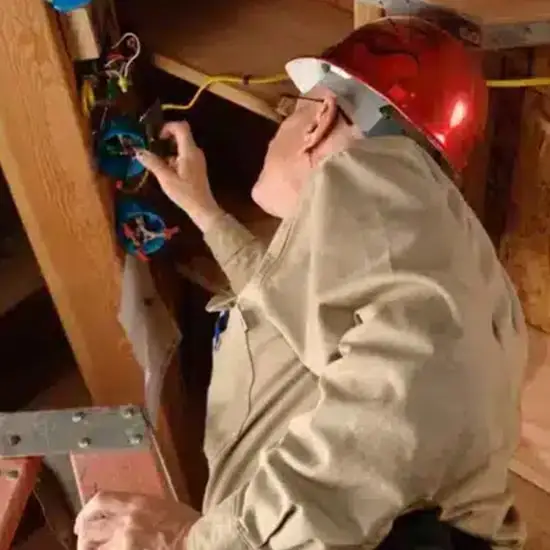
Pre Purchase Building Inspections go beyond basic assessments. Each property receives a thorough evaluation from the foundation through the roof structure. Our trade-qualified inspectors assess structural components, weathertightness systems, electrical installations, and plumbing infrastructure in accordance with AS 4349.1-2007.
Schedule your Pre-Purchase Building Inspection to receive your report within 24-48 hours. Every report includes moisture testing results, structural analysis, and detailed documentation to support confident property negotiations.
WRITTEN BUILDING INSPECTION
Professional and Reliable Inspection reports to AS4349.1 reporting Standards
METH TESTING
Same-day onsite testing with your building inspection in all suburbs
VERBAL BUILDING INSPECTION
On site or over the phone verbal overview for time critical decisions




Chatswood's Unique Building Challenges
Chatswood behaves less like a uniform residential suburb and more like a stacked precinct: residential towers above retail podiums, rail-adjacent superlots, and quieter leaf streets that still sit inside a catchment shaped by hard paving, deep basements, and constant redevelopment pressure.
Defects therefore cluster at system boundaries—where private lots meet common property, where roof water drops through multiple levels, and where older detached fabric has been altered repeatedly to extract value from expensive land.
High-rise and mid-rise strata: plant decks, podiums, and “not my ceiling” patterns
A large share of Chatswood’s housing supply is strata vertical living. That changes how moisture presents. Owners often interpret bedroom or lounge ceiling markings as a simple leak from the floor above, yet the staining axis may trace to a common plant deck, a perimeter planter, a podium expansion joint line, or a roof gutter overflow path that discharges across several façades during wind-driven rain.
Inspection value in these buildings is frequently about pattern recognition: ceiling damage aligned with building corners, lift overrun shafts, stair bulkheads, or repeating levels in the same stack. Balcony edge detailing, door threshold drainage, and façade sealant cycles matter enormously because small discontinuities can allow repeated ingress, which is expensive to diagnose if each symptom is treated as an isolated plaster repair.
Purchasers should also expect that retail and basement levels change the hydraulic behaviour for the whole podium. Even when an individual unit presents well, the broader building may carry legacy detailing assumptions from an era of lighter rainfall design margins.
Post-war cottages and battleaxe lots inside a redevelopment heat zone
Not every Chatswood address is a tower. Many inspections still involve modest post-war cottages and duplex sites where the streetscape is transitioning. These properties often carry phased alterations: rear extensions, granny flat additions, and carports that step across original drainage intent. The technical risk is staged workmanship—new paving trapping moisture against brick perimeters, deck bearers bearing into damp zones, and subfloor ventilation reduced when the undercroft is enclosed for storage.
Adjacent excavation and new neighbouring basements can also change overland flow behaviour and vibration exposure on lightweight older fabric, even when the subject house itself has not been rebuilt. Boundary fences, shared drainage easements, and tight side clearances make “whole-block” hydraulic thinking more important than kerb appeal.
Steeper pockets, retaining walls, and cut-and-fill legacies
Parts of the Chatswood catchment include sloping allotments with sandstone cuttings, sleeper retaining walls, and stepped paths. Those sites concentrate runoff against lower garages, rear lanes, and buried drainage lines. Buyers sometimes misread garage dampness or efflorescence as a generic slab problem when the driver is intermittent sheet flow and splash during intense storms, compounded by limited ventilation in enclosed under-house zones.
Older retaining structures may look stable yet still influence moisture behaviour at the uphill interface—particularly where garden irrigation, uncontrolled roof discharge, or neighbour paving redirects water toward the subject boundary.
Era-specific risk patterns in Chatswood
Post-war fibro and weatherboard cottages often exhibit roof-plumbing fatigue, brittle eaves linings, and subfloor zones vulnerable to drainage changes. Brick veneer and full-brick houses from later decades frequently show gutter-and-valley maintenance debt, concrete-tile edge cracking, and rear additions with junction detailing that varies widely by builder era.
Strata walk-ups from the mid-century onward commonly carry balcony waterproofing fatigue, concrete spalling at exposed edges, and communal gutter systems that need disciplined clearing. Newer towers shift risk toward façade performance, large glazed areas, and complex podium interfaces—where defects tend to be systematic rather than random.
Renovation incentives versus sequencing discipline
Chatswood’s land economics reward maximising floor area and rental yield. That incentive produces high-quality interior finishes paired with uneven envelope renewal: new bathrooms against untouched laundry walls, skylight clusters without coordinated flashing review, and rear outdoor rooms built tight against original brick without continuous drip and ventilation discipline.
Purchasers benefit when inspections separate cosmetic renewal from performance renewal—particularly at thresholds, parapet-adjacent roof edges, and any location where indoor air conditioning meets humid external air movement patterns at poorly detailed junctions.
Recent Inspection Examples
Example 1: Mid-rise apartment with stair-bulkhead ceiling staining mistaken for an upstairs shower Leak
We inspected a mid-level apartment presented with fresh paint and updated flooring. A buyer-noticed stain returned along one ceiling margin beside a built-in robe after heavy rain. The vendor assumed the upstairs neighbour’s bathroom was the source. Corridor-side common ceilings in the same bay showed older repaint cycles, and the stain axis tracked toward a stair bulkhead zone rather than aligning with wet-room stacks.
From accessible common roof areas, a nearby gutter discharge point showed chronic debris loading from overhanging planting along a podium planter edge, with localised splash behaviour against the façade during driven rain. The practical implication was shared hydraulic and façade maintenance sequencing—not a simple in-lot plumbing failure—yet that distinction was not evident from the apartment interior alone.
Example 2: Post-war cottage on a sloping block with a new rear deck masking subfloor airflow
A small cottage near the retail core had been marketed as ideal for future redevelopment, with a recent rear deck and paved entertaining area. Internally, floor levels felt firm, and finishes were tidy. Subfloor access was tight; where visible, timber showed patchy moisture pickup along the downhill perimeter.
Outside, the new paving sloped toward the rear corner of the original brick footing line, and the deck perimeter had enclosed several former vents. Downpipe discharge terminated onto the new paved fall without a clear grated pit line in the same zone.
The scenario illustrated how fast value-adding outdoor upgrades can unintentionally shift drying behaviour and concentrate runoff against older footings—creating a maintenance story that is easy to miss when attention stays on kitchen photos.
In Chatswood, inspection outcomes tend to improve when buyers treat towers, podiums, and boundary hydraulics as part of the same risk map as the kitchen and bathroom photos. That wider lens is what separates predictable upkeep from repeat repairs that erode the convenience premium the suburb is bought for.
We offer building inspections across Australia — Sydney, Melbourne, Perth, Adelaide, Canberra, Tasmania and Darwin.
Sydney locations include: Parramatta, Blacktown, Liverpool, Penrith, Campbelltown, Bankstown, Castle Hill, Baulkham Hills, Kellyville, Ryde, Hornsby, Bondi, Coogee, Randwick, Newtown, Marrickville, Leichhardt, Ashfield, Manly, Dee Why, Hurstville, Burwood, Strathfield, Epping and Auburn.
