
Building Inspection Dee Why
BUILDING REPORT DEE WHY
Residential & Commercial Building Reports
Our Working Process
Book
Confirm
Inspect
Report
An on-site or over-the-phone verbal overview for time-critical decisions. Useful when you need an answer before an auction, a deadline, or a multi-offer situation.
Pre-purchase inspections occur before you make an offer or after acceptance, giving you crucial information about the property’s condition before you finalise your investment.
TESTING
Same-day on-site meth screening at your property. You'll know whether contamination is present before you commit to the purchase.
A pest inspection checks accessible areas of an Australian property for termites, borers, fungal decay and conditions that attract timber pests.
Builders Report Dee Why
What Our Inspectors Typically Find
Dee Why sells on northern beaches practicality—surf and lagoon access, Pittwater Road retail, and a housing mix that is noticeably unit-heavy compared with many beach suburbs. Listings lean on renovated kitchens, ocean glimpses, and walkable town-centre amenities.
From an inspection standpoint, Dee Why is rarely one housing type: it is 1960s–1980s brick walk-ups and small flat buildings, larger beach-parade and town-centre apartment blocks, post-war fibro and weatherboard cottages on slopes climbing toward Cromer and Beacon Hill, and pockets of brick veneer family homes on modest allotments behind the dense flat grid near the sand.
The stock we inspect most often includes multi-storey residential flat buildings, podium-style apartment buildings with basement or undercroft parking, and detached or semi-detached lightweight cottages on sloping blocks. Roof types span concrete and terracotta tile on mid-century stock through to membrane-style roof sections on terraces, podiums, and newer additions, with corrugated metal common on carports and lane sheds.
Many sites feature mature planting, tight side paths, and shared driveway access, which lead to recurring findings of gutter debris loading, communal downpipe behaviour, and maintenance access difficulties.
Externally, marine exposure and wind-driven rain steer many first-pass observations. Salt-laden air accelerates wear at metal flashings, fasteners, balustrade bases, lintels, and exposed connection points—particularly on east-facing elevations that take onshore weather. Even where no major leak is obvious, we often find early corrosion, sealant breakdown, and staining patterns that indicate repeated moisture ingress around windows, parapets, and roof penetrations.
Roof drainage remains a frequent theme. Shared box gutters, internal rainwater heads, and modest valley runs on older flat buildings can concentrate defects affecting multiple lots, even when only one unit shows obvious internal symptoms. In renovated properties, waterproofing continuity at balconies, parapets, and podium planter edges is a common weak point when design and execution are not integrated as a single system.
Below the roof line, basement garages, undercroft parking, and lower living zones tell an important story in lagoon-adjacent and town-centre catchments. Poor ventilation, intermittent overland flow during sustained wet weather, and stormwater paths altered by landscaping or paving result in damp masonry, salt efflorescence, or timber with uneven moisture uptake. Where rear decks or additions encase the original subfloor on hillside blocks, airflow paths can be unintentionally choked, slowing drying and masking slow leaks.
Inside, bathrooms and laundries—especially in flats modernised for rental cycles—often reveal junction weaknesses at hob edges, plumbing penetrations, and tiled showers installed over older wet-area fabric. Even with crisp fittings, this does not guarantee that the membranes and falls were rebuilt as part of the upgrade.
The standout local risk we flag most often in Dee Why is dense apartment envelope fatigue meeting lagoon-adjacent and town-centre catchment hydraulics—salt and driven rain wear detailing faster on exposed elevations, while overland flow and pit capacity can concentrate moisture at podiums, basement thresholds, and rear lanes where buyers assume elevation alone provides a safety margin. Two properties with similar presentation can carry very different maintenance trajectories depending on aspect, catchment position, and how thoughtfully previous works integrated envelope and drainage behaviour.
For purchasers, the practical lesson is that Dee Why condition risk is usually about durability under exposure and site hydraulics, not just visible age or proximity to the beach. Understanding those differences is what turns a glossy campaign into a realistic ownership forecast.
+
+
BUILDING INSPECTOR DEE WHY
24-48 Hour Report Delivery Guaranteed
Looking for a Building Inspector in Dee Why? Our trade-qualified inspectors provide thorough building reports within 24-48 hours, combining speed with meticulous attention to detail.
Our building inspection service is perfect for time-sensitive property purchases. Each inspector carries professional indemnity insurance and brings deep knowledge of your local market and common building challenges. All inspections comply with AS 4349.1-2007 standards for comprehensive, reliable assessments.
Property buyers rely on our inspection expertise for accurate, actionable assessments. Every report delivers a complete structural evaluation, weather-tightness analysis, and maintenance requirements—giving you the information you need to make confident purchasing decisions on schedule.
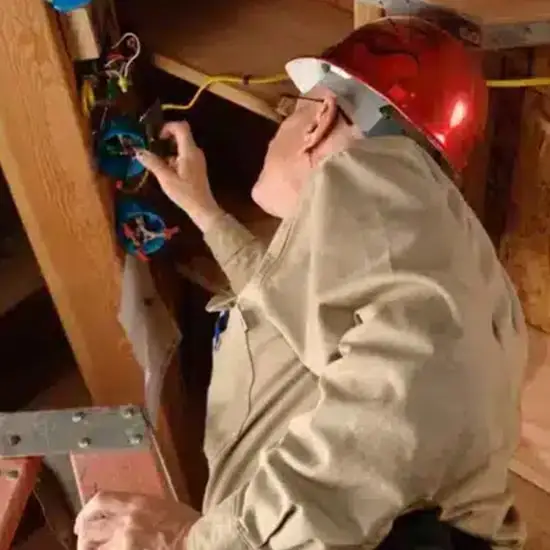

PRE PURCHASE BUILDING INSPECTION DEE WHY
Investing in property is a major financial commitment—a Pre Purchase Building Inspection protects that investment. Our comprehensive reports are prepared by inspectors with extensive knowledge and experience of the local market.
Pre Purchase Building Inspections go beyond basic assessments. Each property receives a thorough evaluation from the foundation through the roof structure. Our trade-qualified inspectors assess structural components, weathertightness systems, electrical installations, and plumbing infrastructure in accordance with AS 4349.1-2007.
Schedule your Pre-Purchase Building Inspection to receive your report within 24-48 hours. Every report includes moisture testing results, structural analysis, and detailed documentation to support confident property negotiations.
WRITTEN BUILDING INSPECTION
Professional and Reliable Inspection reports to AS4349.1 reporting Standards
METH TESTING
Same-day onsite testing with your building inspection in all suburbs
VERBAL BUILDING INSPECTION
On site or over the phone verbal overview for time critical decisions




Dee Why's Unique Building Challenges
Dee Why behaves differently from many northern beaches suburbs because the built form is apartment-dominant on the flat beach grid, while older, lightweight housing still occupies sloping streets climbing away from the lagoon and town centre.
Northern Beaches Council’s planning settings and ongoing town-centre renewal mean many sites carry modest setbacks, layered renovations aimed at views, and shared service access that concentrates downpipe discharge into narrow strips. Defects therefore cluster at interfaces—where communal roof zones serve multiple owners, where podium and basement levels meet overland flow paths, and where stormwater has to drop across slope in tight boundaries.
Lagoon-adjacent catchments, town-centre lows, and overland flow
Parts of Dee Why sit within catchments that drain toward Dee Why Lagoon and through the town-centre street grid. During sustained wet weather, pit surcharging, neighbour hardstand changes, and sheet flow along Pittwater Road, Howard Avenue, and connecting cross streets can produce garage dampness, salt staining on low masonry, and intermittent subfloor or basement wetting that looks like a generic rising-damp story until grading and overland paths are read as a system.
This is not about catastrophe narratives—only about recognising that northern beaches' “low points” can be subtle, especially where lagoon levels and local overland flowpaths interact during east-coast lows. A modest change upslope—new paving, a raised crossover, a redirected downpipe—can shift water across a boundary or into a basement ramp that previously coped.
Mid-rise and walk-up apartment stock and shared envelope duty cycles
Dee Why’s flat grid and beach-parade frontage include substantial mid-century and later residential flat buildings—thick masonry or brick walls, smaller openings, communal roof zones, and balcony or parapet edges that were not designed for today’s waterproofing expectations or occupancy intensity. Many have been cosmetically upgraded unit by unit, which can mask uneven maintenance responsibility across the envelope.
Typical inspection clues include concrete spalling at balcony slab edges, rust staining from reinforcing steel adjacent to salt exposure, persistent dampness at perimeters under ageing skim-coated interiors, and ceiling patterns aligned with common walkways, stair bulkheads, or internal box gutters rather than with the unit above. Buyers sometimes assume body corporate minutes tell the full story; in practice, latent envelope wear may sit below cosmetic cycling until heavy rain exposes marginal detailing.
Where balconies have been enclosed into sunrooms or studies, the risk shifts to condensation management, thermal bridging at glazing, and whether drainage paths still behave as originally intended.
Beach-parade podiums, basement parking, and discharge pinch points
Beach-parade and town-centre apartment buildings often combine podium decks, planter edges, basement or undercroft parking, and shared ramp thresholds that must reliably shed intense burst rainfall. Ponding tendencies on low-fall surfaces, membrane terminations that have been patched over time, and downpipe clusters discharging onto podium paving without clear, grated pit lines are recurring themes.
In attached dwellings and apartments, balcony or podium-edge seepage can also migrate into adjacent units, garage zones, or common structural areas before the source is clear. Inspection analysis, therefore, needs to follow water paths—not only visible damage points in the lot being purchased.
Hillside fibro, weatherboard, and brick veneer on sloping allotments
Away from the dense flat grid, Dee Why still contains post-war fibro and weatherboard cottages and modest brick veneer homes on sloping allotments toward Cromer and Beacon Hill. These properties often exhibit roof plumbing fatigue, brittle eaves, subfloor zones sensitive to changes in perimeter paving, and rear additions that step across older damp-management intentions.
Inspection focus on hillside stock is usually on performance under rainfall and slope: do gutters and valleys clear quickly enough, where does roof water actually discharge, and does the paving slope away from the footing line? Lightweight cladding and sheet linings can telegraph moisture stress sooner than full brick, which helps early detection but also means small detailing failures can escalate quickly if left unattended.
Era-specific risk patterns in Dee Why
1960s–1980s brick walk-ups and small flat buildings often exhibit communal gutter neglect, parapet-edge fatigue, and wet areas stacked along party or rear-lane elevations. Later beach-parade and town-centre apartment stock frequently shows concrete tile edge cracking, complex podium and terrace drainage, and fence-line discharge that must perform during every storm.
Post-war fibro and weatherboard cottages on slopes commonly exhibit roof-plumbing fatigue, limited subfloor access, and rear expansions that encroach on ventilation paths. Newer infill and town-centre renewal introduce stepped slabs, mixed flashing quality at old-to-new roof tie-ins, and tighter side clearances that are hard to maintain from the ground.
Renovation sequencing behind retained façades
Dee Why’s economics reward maximising bedrooms, enclosed balconies, and paved outdoor rooms while keeping a presentable street façade. The technical downside is staged sequencing: new wet areas upstairs while rear wall lines remain original; podium planters upgraded cosmetically without revisiting falls; waterproofing terminated against cladding that was replaced later; basement sealing attempted without addressing upslope sheet flow.
Purchasers benefit when inspections separate cosmetic renewal from performance renewal—particularly at parapet-adjacent roof edges, balcony thresholds, party-wall roof junctions, and basement ramps where indoor cooling meets humid external air against ageing sealant lines.
Recent Inspection Examples
Example 1: Town-centre brick walk-up with basement garage dampness after upslope hardstand changes
We inspected a ground-floor parking space and adjoining storage room in a 1970s brick walk-up marketed with freshly painted common areas and updated lobby finishes. After heavy rain, patchy efflorescence and a musty note returned along the downhill garage wall; the agent suggested, “normal basement damp.”
Outside, a recently re-sheeted courtyard and crossover upslope appeared to pitch sheet flow toward the shared ramp lip, while communal downpipes from upper levels terminated onto the same paved approach without a clear grated pit line in the discharge panel. Moisture patterning tracked more consistently with intermittent hydraulic concentration at the threshold zone than with a continuous plumbing leak inside the garage.
The finding reframed the discussion from internal sealing toward boundary drainage verification and communal discharge sequencing—none of which was visible from listing photos of the unit interior alone.
Example 2: Beach-parade apartment with wind-driven ingress at a glazed living-room threshold
A mid-level apartment presented with modern kitchen and bathroom finishes and an east-facing living room opening to a narrow balcony. The buyer noticed cyclical swelling in the skirt timber along the glazing line after onshore spells—not catastrophic staining, but enough to raise questions about leaks from the floor above.
Inspection identified aged perimeter sealing at the sliding door track, corrosion spotting on exposed balcony drip angles and balustrade fixings facing the prevailing weather, and carpet tucked tightly against the threshold without a visible drained separation detail. Adjacent common ceiling zones within the same bay suggested that historic ingress events were concentrated at the building corner during driven rain.
The scenario illustrated how partial cosmetic upgrades can leave façade-junction performance and metal fatigue unaddressed, while the campaign still reads as “beachside low maintenance.”
In Dee Why, inspection value usually comes from reading coastal exposure, lagoon-adjacent catchment behaviour, and shared flat-roof building zones as a single system. When those elements are integrated, ownership tends to feel predictable; when they are treated as isolated cosmetic issues, buyers often inherit a repeating wet-weather story.
We offer building inspections across Australia — Sydney, Melbourne, Perth, Adelaide, Canberra, Tasmania and Darwin.
Sydney locations include: Parramatta, Blacktown, Liverpool, Penrith, Campbelltown, Bankstown, Castle Hill, Baulkham Hills, Kellyville, Ryde, Hornsby, Bondi, Coogee, Randwick, Chatswood, Newtown, Marrickville, Leichhardt, Ashfield, Manly, Hurstville, Burwood, Strathfield, Epping and Auburn.
