Building Inspection Newtown
BUILDING REPORT NEWTOWN
Residential & Commercial Building Reports
Our Working Process
Book
Confirm
Inspect
Report
An on-site or over-the-phone verbal overview for time-critical decisions. Useful when you need an answer before an auction, a deadline, or a multi-offer situation.
Pre-purchase inspections occur before you make an offer or after acceptance, giving you crucial information about the property’s condition before you finalise your investment.
TESTING
Same-day on-site meth screening at your property. You'll know whether contamination is present before you commit to the purchase.
A pest inspection checks accessible areas of an Australian property for termites, borers, fungal decay and conditions that attract timber pests.
Builders Report Newtown
What Our Inspectors Typically Find
Newtown trades on character—Victorian terraces, long rear wings, laneway grit, and a street life that photographs as authentically inner west. Buyers are often chasing walkability, proximity to the city, and period detail that feels irreplaceable.
From an inspection perspective, that same character is mechanically demanding: continuous roof lines shared with neighbours, subfloors that were never designed for modern paved courtyards, and decades of alterations squeezed into three- to six-metre frontages.
The housing we inspect across Newtown is dominated by Victorian and Federation-era terraces and single-front cottages, inter-war rows in pockets, and a growing slice of subdivided mansions, shop-top dwellings, and small strata lots carved from larger footprints. Roofscapes are typically slate or terracotta on older stock, with corrugated metal common on rear skillion additions and lane-facing outbuildings. Many sites rely on rear-lane vehicle access, which concentrates stormwater behaviour along tight easements and against back walls.
Externally, first-line findings often relate to the continuity of roof plumbing in terrace rows. Valleys, secret gutters behind raised parapet fronts, and shared box sections can fail quietly until staining tracks along party-line ceilings or upper hallway cornices. Leaf litter from street trees and narrow light wells increases debris loading in gutters that are awkward to clear, raising the risk of overflow during intense bursts.
Below the roof, subfloor and ground-level conditions are a recurring theme. Original perimeter vents are frequently compromised by later paving, concrete paths poured tight to brickwork, or enclosed under-deck storage zones. The result is uneven timber moisture, localised fungal deterioration at bearers near damp perimeters, and musty air movement into ground-floor rooms, even when interior finishes look recently refreshed.
Internally, bathrooms and kitchens are commonly renovated to suit rental cycles or resale polish. Presentation can be strong while hob edges, shower recess perimeters, and laundry penetrations still sit on older wet-area logic. In narrow cottages, wet areas are often stacked along the party wall or rear lane wall, which increases the consequence of a slow leak because moisture can track a long horizontal path before it becomes obvious in the room where it started.
The standout local risk we flag most often in Newtown is terrace-era roof hydraulics and party-line junctions—where water entry is intermittent, wind-driven, and frequently misread as a simple “bathroom above” problem until the shared roof geometry is properly considered. On cottages, the parallel headline is laneway and courtyard drainage concentrating against rear footings after paving upgrades.
For purchasers, the takeaway is that Newtown charm correlates with constrained maintenance access and staged alterations. Two terraces on the same street can appear similar at an open home yet have very different roof-junction histories, subfloor-ventilation outcomes, and rear-lane hydraulic behaviour.
+
+
BUILDING INSPECTOR NEWTOWN
24-48 Hour Report Delivery Guaranteed
Looking for a Building Inspector in Newtown? Our trade-qualified inspectors provide thorough building reports within 24-48 hours, combining speed with meticulous attention to detail.
Our building inspection service is perfect for time-sensitive property purchases. Each inspector carries professional indemnity insurance and brings deep knowledge of your local market and common building challenges. All inspections comply with AS 4349.1-2007 standards for comprehensive, reliable assessments.
Property buyers rely on our inspection expertise for accurate, actionable assessments. Every report delivers a complete structural evaluation, weather-tightness analysis, and maintenance requirements—giving you the information you need to make confident purchasing decisions on schedule.

PRE PURCHASE BUILDING INSPECTION NEWTOWN
Investing in property is a major financial commitment—a Pre Purchase Building Inspection protects that investment. Our comprehensive reports are prepared by inspectors with extensive knowledge and experience of the local market.
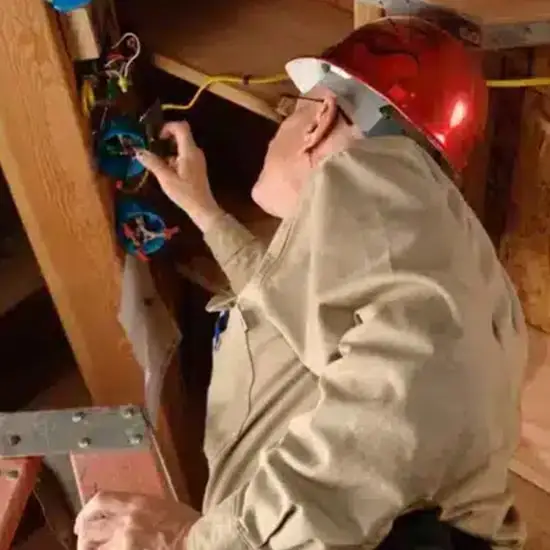
Pre Purchase Building Inspections go beyond basic assessments. Each property receives a thorough evaluation from the foundation through the roof structure. Our trade-qualified inspectors assess structural components, weathertightness systems, electrical installations, and plumbing infrastructure in accordance with AS 4349.1-2007.
Schedule your Pre-Purchase Building Inspection to receive your report within 24-48 hours. Every report includes moisture testing results, structural analysis, and detailed documentation to support confident property negotiations.
WRITTEN BUILDING INSPECTION
Professional and Reliable Inspection reports to AS4349.1 reporting Standards
METH TESTING
Same-day onsite testing with your building inspection in all suburbs
VERBAL BUILDING INSPECTION
On site or over the phone verbal overview for time critical decisions




Newtown's Unique Building Challenges
Newtown differs from many Sydney suburbs because the dominant housing form is long, thin, and attached: roof water and subfloor moisture do not stay politely within a single title boundary. Inner West Council’s heritage and density settings also mean owners often retain street façades while rebuilding or extending behind them—creating many junctions where old masonry, newer lightweight cladding, and outdoor rooms meet without a single coherent drainage story.
Continuous terrace roofs, secret gutters, and party-wall geometry
In a terrace row, the roof is often a shared system in practice even when titles are separate. Secret gutters, concealed valleys behind parapet-style fronts, and stepped junctions against taller adjoining buildings are common moisture pathways. Wind-driven rain can push water laterally into junctions that would behave adequately on a detached house.
Inspection thinking, therefore, relies heavily on pattern mapping: does staining follow a party line, align with a valley discharge zone, or repeat at the same relative position in neighbouring bays? Buyers who see a ceiling mark and assume the immediate upstairs bathroom may miss a roof-level driver that only expresses under certain wind and rainfall combinations.
Maintenance access amplifies the problem. Lane-side roof edges, narrow light wells, and tight side clearances make routine clearing and detailed flashing repairs harder to execute well, so minor defects can persist longer than in suburban stock with simple eaves lines.
Single-front cottages: rear “dog-leg” additions and laneway discharge
Worker-style cottages on narrow lots frequently carry a rear wing or dog-leg addition that concentrates roof catchment toward a small rear yard or lane boundary. Downpipes often discharge onto raised paving, against steps, or toward a rear lane without a reliable grated pit line.
That hydraulic pattern shows up as damp skirtings along rear rooms, salt staining on rear brickwork, and subfloor timber with higher readings near the back perimeter. Secondary dwellings and studio conversions within the same footprint create additional wet points and roof penetrations without always upgrading falls or boundary drainage as part of the same project.
Shop-top dwellings, subdivided mansions, and non-house origins
Parts of Newtown include dwellings created from former retail frontages or larger buildings split into strata lots. These conversions can be excellent living spaces yet carry non-standard sequencing: slab-on-ground sections meeting suspended floors, service penetrations clustered along old shopfront lines, and roof zones that behave more like commercial podiums than typical terrace roofs.
Inspection focus shifts toward threshold behaviour at the old shopfront plane, drainage at rear service courts, and ceiling symptoms that align with communal roof areas or shared penetration clusters rather than with “the unit above” in a simple apartment sense.
Era-specific risk patterns in Newtown
Victorian and Federation terraces often combine fragile chimney shoulders, aging slate or tile fixings, and subfloor voids that were never intended to sit behind fully paved courtyards. Inter-war rows may introduce concrete balconies, steel windows, and parapet edges that fatigue differently from older slate roofs.
Later infill and lightweight rear additions increase junction count: deck bearings into damp zones, skylight fields along former ridge lines, and tiled outdoor areas built tight to original brick without continuous drip and ventilation discipline.
Renovation pressure versus sequencing discipline
Newtown’s economics reward maximising lettable bedrooms and outdoor living. That pressure produces high-quality kitchens and bathrooms paired with uneven envelope renewal—new wet areas against untouched rear walls, rooftop decks added without revisiting underlying roof drainage capacity, and lane-side carports that interrupt original subfloor airflow paths.
Purchasers benefit when inspections distinguish finishes renewal from performance renewal, particularly at parapet-adjacent roof edges, party-wall roof junctions, and any rear threshold where indoor cooling meets humid external air against ageing sealant lines.
Recent Inspection Examples
Example 1: Mid-terrace with recurring first-floor bedroom staining aligned to a party-line valley
We inspected a mid-terrace where the upper bedroom ceiling showed a return of a stain along a straight line after heavy weather. The vendor suggested an upstairs ensuite leak because the stain sat near a wet wall zone. Moisture patterning, however, tracked parallel to the party wall alignment and corresponded with a concealed valley discharge line visible only from roof inspection, where debris had accumulated in a hard-to-reach gutter segment above a light well.
The neighbouring roof pitch discharged additional catchment toward the same junction. The practical implication was shared roof hydraulics and junction maintenance—not a simple shower recess failure—yet that mechanism was not obvious from the bedroom alone.
Example 2: Narrow cottage with a new rear studio and reversed falls toward the original footings
A single-front cottage had been marketed with a freshly built rear studio and paved courtyard for outdoor dining. Finishes were crisp, and the studio slab felt dry on the day. Along the original back wall of the house, skirting timber showed swelling after storms, and the subfloor entry revealed patchy damp near the rear bearer line.
Outside, the new courtyard slab pitched toward the house toe rather than away, and a downpipe terminated onto the slab surface without a clear grated collection point in the same paved panel. The scenario illustrated how quickly rear-lane “value adds” can redirect sheet flow against older brick footings, while the new structure itself still serves as the hero of the campaign.
In Newtown, the highest-value inspection outcome is usually a whole-site reading of roof continuity, party-line behaviour, and rear hydraulic discipline—not just a room-by-room cosmetic pass. That wider view is what prevents buyers from paying a heritage premium while inheriting a repeating water story.
We offer building inspections across Australia — Sydney, Melbourne, Perth, Adelaide, Canberra, Tasmania and Darwin.
Sydney locations include: Parramatta, Blacktown, Liverpool, Penrith, Campbelltown, Bankstown, Castle Hill, Baulkham Hills, Kellyville, Ryde, Hornsby, Bondi, Coogee, Randwick, Chatswood, Marrickville, Leichhardt, Ashfield, Manly, Dee Why, Hurstville, Burwood, Strathfield, Epping and Auburn.
