Building Inspection Hornsby
BUILDING REPORT HORNSBY
Residential & Commercial Building Reports
Our Working Process
Book
Confirm
Inspect
Report
An on-site or over-the-phone verbal overview for time-critical decisions. Useful when you need an answer before an auction, a deadline, or a multi-offer situation.
Pre-purchase inspections occur before you make an offer or after acceptance, giving you crucial information about the property’s condition before you finalise your investment.
TESTING
Same-day on-site meth screening at your property. You'll know whether contamination is present before you commit to the purchase.
A pest inspection checks accessible areas of an Australian property for termites, borers, fungal decay and conditions that attract timber pests.
Builders Report Hornsby
What Our Inspectors Typically Find
Hornsby homes are usually solid, established properties with strong street appeal. Buyers often see tidy brickwork, mature gardens, and updated interiors, then assume major risk is low. In practice, our inspections frequently uncover hidden defects related to slope-driven drainage, roof plumbing beneath heavy tree canopies, and moisture at lower-level or subfloor interfaces.
The housing mix in Hornsby is broad. We regularly inspect post-war cottages, 1960s- to 1980s-era brick-veneer homes, and larger renovated dwellings with rear additions or split-level configurations. Roofs are commonly terracotta or concrete tile, with corrugated metal sections on extensions, carports, and outdoor living areas. Because many homes have been altered in stages, the highest-risk points are often where old and new systems meet rather than in one obvious failing component.
Roof condition is one of the first practical checkpoints. Typical findings include cracked or slipped tiles, ageing ridge bedding and pointing, deteriorated valley lines, and patch-repaired flashings around penetrations. Hornsby’s established tree cover adds a predictable maintenance load: gutters and valleys can accumulate leaf litter, reducing drainage capacity and causing overflow during heavy rain. Where this is ongoing, water may track behind fascia and eaves before internal symptoms become visible.
Site drainage is another repeat issue in Hornsby, especially on sloping blocks and around retained edges. We commonly document paving that falls toward the house, downpipes discharging too close to perimeter walls, and stormwater paths that have been partly upgraded without full system continuity. Each item may look minor in isolation, but together they can keep one side of the home damp for long periods and accelerate deterioration at wall bases, thresholds, and external joinery.
Inside, wet areas and service zones often reveal concealed moisture pathways. We frequently identify degraded seals at shower junctions, slow leaks at plumbing connectors, and water migration into cabinetry, skirting, and adjacent linings. In renovated homes, finishes can look modern while hidden detailing around floor-wall transitions and service penetrations remains vulnerable.
Lower-level and subfloor spaces (where accessible) are especially important in Hornsby because the terrain and landscaping can reduce airflow and retain moisture in the ground. Repeated damp exposure around timber elements increases the risk of decay over time. Termite pressure varies across Sydney micro-locations, so we focus on conditions conducive to termite activity: persistent moisture, concealed access paths, and timber close to damp soil or dense vegetation.
The standout local risk we most often flag in Hornsby is moisture concentration on sloping, leafy sites where roof overflow and surface-water pathways combine. When this pattern persists, defects tend to recur in cycles and can become expensive before they are obvious at the inspection-day presentation level.
For buyers, the practical point is that two similar-looking Hornsby homes can have very different ownership risk depending on drainage design, maintenance history, and the quality of past alterations. A detailed inspection helps distinguish cosmetic freshness from moisture-driven defects that can materially affect near-term repair budgets.
+
+
BUILDING INSPECTOR HORNSBY
24-48 Hour Report Delivery Guaranteed
Looking for a Building Inspector in Hornsby? Our trade-qualified inspectors provide thorough building reports within 24-48 hours, combining speed with meticulous attention to detail.
Our building inspection service is perfect for time-sensitive property purchases. Each inspector carries professional indemnity insurance and brings deep knowledge of your local market and common building challenges. All inspections comply with AS 4349.1-2007 standards for comprehensive, reliable assessments.
Property buyers rely on our inspection expertise for accurate, actionable assessments. Every report delivers a complete structural evaluation, weather-tightness analysis, and maintenance requirements—giving you the information you need to make confident purchasing decisions on schedule.

PRE PURCHASE BUILDING INSPECTION HORNSBY
Investing in property is a major financial commitment—a Pre Purchase Building Inspection protects that investment. Our comprehensive reports are prepared by inspectors with extensive knowledge and experience of the local market.
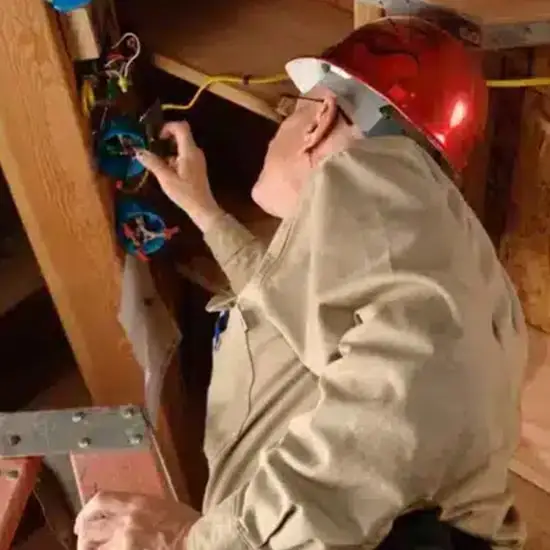
Pre Purchase Building Inspections go beyond basic assessments. Each property receives a thorough evaluation from the foundation through the roof structure. Our trade-qualified inspectors assess structural components, weathertightness systems, electrical installations, and plumbing infrastructure in accordance with AS 4349.1-2007.
Schedule your Pre-Purchase Building Inspection to receive your report within 24-48 hours. Every report includes moisture testing results, structural analysis, and detailed documentation to support confident property negotiations.
WRITTEN BUILDING INSPECTION
Professional and Reliable Inspection reports to AS4349.1 reporting Standards
METH TESTING
Same-day onsite testing with your building inspection in all suburbs
VERBAL BUILDING INSPECTION
On site or over the phone verbal overview for time critical decisions




Hornsby's Unique Building Challenges
Hornsby’s building behaviour is strongly shaped by topography and vegetation. Many properties sit on sloping land with retaining works, split-level layouts, and established gardens that have evolved over decades. That setting is attractive to live in, but it creates a technical reality: water movement is rarely simple, and defect risk often sits at the intersection of roof drainage, surface falls, and lower-side moisture load.
1) Sloping sites, retaining interfaces, and uneven moisture load
A defining challenge for Hornsby is uneven water pressure around the building perimeter. On sloping blocks, one side of a house may remain comparatively dry, while the other experiences recurring dampness after rain. Retaining walls, terraced landscaping, and raised garden beds can all influence where water is held and how quickly it is discharged.
In inspections, we often see recurring staining near lower wall sections, efflorescence at masonry base zones, and localised softening of render where moisture pathways have remained active over time. Split-level homes are particularly sensitive because lower rooms and storage areas can sit close to retained ground and receive limited natural drying.
These defects are frequently underestimated because symptoms can be intermittent. A dry-weather inspection might show only minor visual clues, while the underlying pathway remains active and reappears after heavy rainfall events. That is why we assess roof discharge, surface grading, retaining interfaces, and internal moisture indicators as a single, interconnected system.
2) Tree canopy impact on roof plumbing performance
Hornsby’s mature tree cover creates a predictable maintenance burden on roof drainage systems. Leaf litter and fine organic debris reduce flow capacity in gutters and valleys, and overflow often occurs at junctions that are difficult to assess from ground level. Repeated overflow can drive moisture behind fascia, into eave cavities, and toward vulnerable penetration points.
Tile roofs in the area commonly show ageing at ridge and hip lines, bedding and pointing, and valley transitions. Where metal roof sections exist on additions, we also see deterioration at fasteners, laps, and flashing interfaces. If maintenance has been reactive, multiple moderate defects can combine during intense weather, creating recurring internal moisture issues.
A common Hornsby pattern is staged repairs that treat symptoms but not flow logic. For example, a local patch at a single flashing point may temporarily reduce visible leaks, while blocked gutters and tired valley lines continue to overload adjoining areas.
3) Renovation-era junctions and concealed wet-area pathways
Hornsby has a high number of homes that have been modernised in stages. Rear extensions, enclosed outdoor spaces, updated kitchens, and bathroom rebuilds are common. These changes can significantly enhance amenity, but they also increase interface complexity at the points where old and new building elements connect.
The key risk is hidden moisture bypass. We regularly find neat-looking renovations where water is still entering at roof tie-ins, threshold transitions, or wet-area junctions behind finishes. Slow leaks at shower edges, vanity connections, or laundry fittings can persist for long periods before obvious visual damage appears.
Where plumbing layouts have been reconfigured over older service routes, access for maintenance can also be reduced, making minor leaks harder to detect early. Over time, repeated low-level dampness can affect skirtings, cabinetry bases, and nearby framing.
Era-specific risk profile across Hornsby housing
Post-war and mid-century homes often perform well structurally when maintained, but roof plumbing, wet-area detailing, and drainage paths are often in a state where proactive upgrades are needed. Homes from later decades may present a lower apparent age risk, yet complex roof forms and staged additions can still create junction vulnerabilities.
In both cases, defect likelihood is shaped more by system continuity than by build year alone. A well-maintained older home can outperform a newer-looking property where drainage and moisture pathways were not properly integrated during upgrades.
Why partial upgrades can mislead buyers
A recurring Hornsby pattern is visual improvement without a full moisture-pathway correction. Owners may install new paving, repaint lower walls, or update bathrooms while leaving underlying discharge limitations unchanged. This can create a temporary impression of resolution while moisture remains active in concealed zones.
Our inspections prioritise linkage: whether roof runoff, surface falls, wet-area behaviour, and lower-side damp indicators point to the same root mechanism. Identifying that shared pathway early is often what prevents repeated repair spending after purchase.
Recent Inspection Examples
Example 1: Split-level home with recurring lower-wall dampness
We inspected a split-level brick-veneer property with updated interiors and a strong street presence. The buyer reported intermittent musty odour in a lower living zone after heavy rain.
External assessment found concentrated runoff toward a retained side boundary and marginal falls along a paved access path. Internally, moisture indicators were elevated at the base of the adjoining lower wall, with minor skirting deterioration and signs of historical patch repairs. Roof-space checks also showed damp insulation near a valley line receiving a high debris load. The issue was a linked roof-and-site moisture pathway rather than an isolated indoor defect.
Example 2: Renovated family home with repeated ceiling patching
Another property was a renovated home with rear extension works and an enclosed outdoor area. Ceiling patches had been repainted more than once near a junction between original and added roof sections. Inspection identified ageing flashing and sealant fatigue at the tie-in, as well as reduced gutter flow capacity due to leaf and sediment buildup. In wet areas, a slow leak at a shower edge was also contributing to local dampness on the same side of the house. The findings highlighted how several moderate defects can interact, leading to persistent recurrence when treated separately.
In Hornsby, the most valuable outcome of the inspection is understanding water management as a whole-property system. When roof drainage, surface falls, retaining interfaces, and wet-area detailing are aligned, maintenance is usually predictable. When they are not, defects tend to repeat and ownership costs can escalate quickly.
We offer building inspections across Australia — Sydney, Melbourne, Perth, Adelaide, Canberra, Tasmania and Darwin.
Sydney locations include: Parramatta, Blacktown, Liverpool, Penrith, Campbelltown, Bankstown, Castle Hill, Baulkham Hills, Kellyville, Ryde, Bondi, Coogee, Randwick, Chatswood, Newtown, Marrickville, Leichhardt, Ashfield, Manly, Dee Why, Hurstville, Burwood, Strathfield, Epping and Auburn.
