Building Inspection Parramatta
BUILDING REPORT PARRAMATTA
Residential & Commercial Building Reports
Our Working Process
Book
Confirm
Inspect
Report
An on-site or over-the-phone verbal overview for time-critical decisions. Useful when you need an answer before an auction, a deadline, or a multi-offer situation.
Pre-purchase inspections occur before you make an offer or after acceptance, giving you crucial information about the property’s condition before you finalise your investment.
TESTING
Same-day on-site meth screening at your property. You'll know whether contamination is present before you commit to the purchase.
A pest inspection checks accessible areas of an Australian property for termites, borers, fungal decay and conditions that attract timber pests.
Builders Report Parramatta
What Our Inspectors Typically Find
Parramatta properties often present beautifully on inspection day. The suburb's older streets are tree-lined and tidy, and the post-war brick-and-fibro homes that make up much of the detached housing stock look solid and well-kept. But Parramatta sits in one of Australia's highest-risk termite zones, and the suburb's combination of ageing post-war stock and an older heritage layer — some of it dating back to the colonial era — means our inspectors find significant issues here more often than most buyers expect.
The majority of homes we inspect in Parramatta were built between 1945 and 1980, during the post-war expansion that turned Parramatta from an outer town into a major Sydney centre. These are typically three-bedroom fibro or brick veneer homes on concrete strip or pier-and-beam foundations, with terracotta tile or corrugated steel roofing, hardwood timber floors over subfloor cavities, and aluminium or single-glazed timber joinery. Parramatta also retains a meaningful layer of Federation and inter-war cottages in its heritage pockets — solid double-brick homes now approaching 100 years old, where original mortar, slate roofs, and lime-based finishes are well past their design life.
Roofing is consistently one of the first areas of concern. Original terracotta tile roofs are now 50 to 70 years old, with many showing cracked or slipped tiles, perished bedding and pointing on ridge and hip caps, and porous tiles that absorb water rather than shed it. Corrugated steel roofs from the same era often show rust penetration around fasteners and flashings, particularly at valleys and box gutters. A full re-roof in Parramatta typically costs between $18,000 and $40,000, depending on size and material — a figure that can significantly change a buyer's arithmetic if they were not expecting it.
Termite activity is where Parramatta really stands apart. Sydney's western corridor sits in a CSIRO-rated high-to-very-high termite-hazard zone, and Parramatta's combination of older timber building stock, established gardens, and clay-loam soils that retain moisture creates near-ideal conditions for subterranean termite colonies. We regularly find live termite activity, mud leads tracking up subfloor piers, and concealed structural damage in wall framing and roof timbers — often in homes where the owners have no idea anything is wrong. This is the single most important issue for Parramatta buyers to understand, and we cover it in detail below.
Our inspectors also assess the condition of original wet areas (1960s and 1970s shower recesses are a frequent source of concealed water damage and timber rot), the presence of asbestos cement sheeting in cladding, eaves, and wet-area linings (extremely common in Parramatta homes built before 1985), insulation levels, and the overall standard of maintenance. Parramatta's ownership history is mixed — long-term owner-occupiers alongside a significant rental and investor cohort where maintenance may have been deferred for years — and a freshly painted exterior does not always reflect what is happening inside the walls.
+
+
BUILDING INSPECTOR PARRAMATTA
24-48 Hour Report Delivery Guaranteed
Looking for a Building Inspector in Parramatta? Our trade-qualified inspectors provide thorough building reports within 24-48 hours, combining speed with meticulous attention to detail.
Our building inspection service is perfect for time-sensitive property purchases. Each inspector carries professional indemnity insurance and brings deep knowledge of your local market and common building challenges. All inspections comply with AS 4349.1-2007 standards for comprehensive, reliable assessments.
Property buyers rely on our inspection expertise for accurate, actionable assessments. Every report delivers a complete structural evaluation, weather-tightness analysis, and maintenance requirements—giving you the information you need to make confident purchasing decisions on schedule.

PRE PURCHASE BUILDING INSPECTION PARRAMATTA
Investing in property is a major financial commitment—a Pre Purchase Building Inspection protects that investment. Our comprehensive reports are prepared by inspectors with extensive knowledge and experience of the local market.
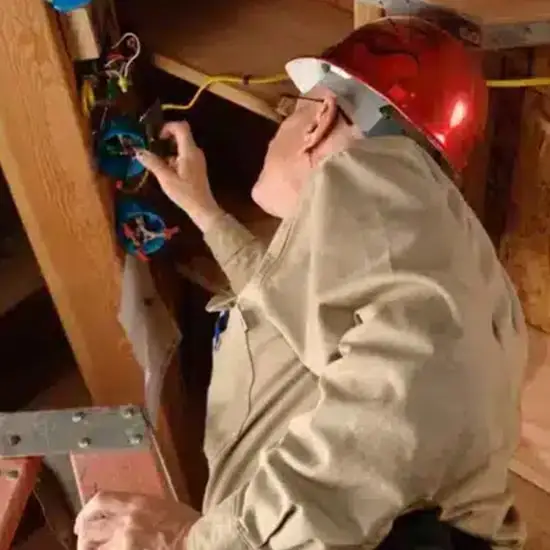
Pre Purchase Building Inspections go beyond basic assessments. Each property receives a thorough evaluation from the foundation through the roof structure. Our trade-qualified inspectors assess structural components, weathertightness systems, electrical installations, and plumbing infrastructure in accordance with AS 4349.1-2007.
Schedule your Pre-Purchase Building Inspection to receive your report within 24-48 hours. Every report includes moisture testing results, structural analysis, and detailed documentation to support confident property negotiations.
WRITTEN BUILDING INSPECTION
Professional and Reliable Inspection reports to AS4349.1 reporting Standards
METH TESTING
Same-day onsite testing with your building inspection in all suburbs
VERBAL BUILDING INSPECTION
On site or over the phone verbal overview for time critical decisions




Parramatta's Unique Building Challenges
Parramatta sits on the Cumberland Plain at the junction of older river flats and gently rising clay-based ground, with a housing mix that spans Federation cottages, post-war fibro and brick veneer homes, and fast-turnaround modern infill. That combination of soil profile, climate, age, and redevelopment pressure creates a specific set of risks our inspectors see repeatedly in this suburb.
Termite Pressure and Concealed Timber Damage
This is the single biggest Parramatta-specific risk for most detached-home buyers. Parramatta sits within Sydney's higher termite-hazard belt, and the local conditions are ideal for subterranean termites: mature gardens, older timber framing, moisture-retaining soils, and decades of incremental extensions that often leave hidden vulnerable junctions.
In practice, we regularly find:
- active termite workings in subfloor areas and around old tree stumps or retaining timbers
- mud shelter tubes to piers, bearers, and internal wall lines
- historic damage in roof framing and wall studs that was patched cosmetically but not fully rectified
- no current compliant termite management system despite prior termite treatment stickers or paperwork
Many Parramatta homes built from the 1940s to the 1970s were designed long before today's termite-management expectations. Even where owners have treated the property in the past, barriers and chemical zones are time-limited and easily compromised by landscaping changes, paving, garden beds, or drainage modifications.
Our inspectors focus heavily on accessible subfloor and roof spaces, external slab edges, and moisture-prone transition points (decks, planter edges, wet-area walls, and garage-to-house interfaces). Where risk indicators are present, we recommend targeted follow-up by a termite specialist and a formal management plan, because the cost difference between early detection and structural repair is substantial.
Reactive Clay Soils, Moisture Variation, and Movement
While termites are often the headline risk, foundation movement is a close second in Parramatta's older detached stock. Much of the area sits on clay-rich soils derived from Wianamatta Group geology. These soils expand when wet and shrink when dry, and the movement cycle accumulates over decades.
The post-war homes we most often inspect in Parramatta commonly sit on shallow strip footings, brick piers, or slab systems that were not engineered to meet modern movement-performance expectations. Over time, differential movement develops and presents as:
- stepped cracking in brickwork and external piers
- diagonal cracking at doors/windows and internal plaster junctions
- sticking doors and windows, especially seasonally
- uneven floor levels across the living zones and hallway runs
Drainage condition is a major multiplier. Blocked stormwater lines, surface runoff toward the dwelling, poorly graded paving, and leaking downpipes accelerate fluctuations in soil moisture around footing zones. Large established trees can also intensify local drying and shrinkage during prolonged dry periods.
On every Parramatta inspection, we look for crack pattern type, location, and likely mechanism rather than treating all cracking as equal. Cosmetic settlement is common; progressive structural movement is less common but high-impact. Where indicators suggest active movement, we recommend structural engineering advice and a staged remediation plan (drainage correction first, then footing/floor intervention if needed).
Stormwater, Rising Damp, and Ground Moisture Around Older Homes
Parramatta's older suburbs include many sites with legacy drainage arrangements that have been altered repeatedly over decades. Additions, driveway widening, granny-flat works, and hard landscaping often change how water moves through the site. The result is that water frequently ends up where the original house envelope was never designed to manage it.
Recurring patterns we see include:
- surface water ponding against external walls after rain
- bridged damp-proof courses due to raised garden beds or paths
- subfloor humidity and inadequate cross-ventilation in timber-floor homes
- localised rising damp in older masonry walls
- blocked or failed agricultural drains behind retaining structures
Older Federation/inter-war homes in Parramatta's heritage pockets can be especially vulnerable because they rely on traditional breathable wall systems and original damp management details that perform poorly once modern non-breathable finishes or hard landscaping are introduced.
Our inspectors assess moisture ingress pathways, not just visible staining. We check the perimeter drainage logic, ventilation quality, and evidence of ongoing moisture cycling in lower-wall zones and subfloor timbers. If left unresolved, chronic damp contributes to timber decay, mould conditions, and accelerated material failure.
Era-Specific Risks in Parramatta's Housing Stock
Parramatta is not a one-era suburb, and risk profile shifts materially by build period.
Federation and inter-war homes (approx. 1900-1940):
Generally robust in primary structure, but now very old. Typical issues are damp management, ageing roofs and flashings, subfloor ventilation deficits, legacy wiring/plumbing upgrades, and hidden defects from layered renovations. Heritage constraints can also affect the scope and cost of repairs.
Post-war fibro and brick veneer (approx. 1945-1980):
This is the core detached stock where we most often identify meaningful defects. Common issues include termite vulnerability, ageing terracotta or metal roofing, older wet-area waterproofing failure, subfloor moisture, and asbestos-containing materials in cladding/eaves/wet-area linings.
Late-80s to early-2000s builds:
Often, larger footprints and more complex roof/plumbing junctions. While structurally improved in many cases, these homes can exhibit waterproofing failures in balconies/wet areas, as well as workmanship variability from rapid development periods.
Recent townhouse and duplex infill:
Built to newer code frameworks, but workmanship consistency varies. We regularly identify incomplete flashings, poor drainage falls, unsealed penetrations, non-compliant bathroom exhaust discharge, and finishing defects that suggest rushed delivery.
For buyers, age alone is not a quality signal in Parramatta. Condition, maintenance history, and execution quality are more predictive than decade.
Renovation Layering, Compliance Gaps, and Hidden Risk Transfer
A defining challenge for Parramatta is the number of homes with multiple generations of modifications. It's common to find an original dwelling with one or more of the following: enclosed verandahs, rear extensions, converted garages, added bathrooms, granny-flat works, or reconfigured kitchens/laundries.
That layered history creates risk in three ways:
Junction complexity: Old-to-new interfaces are where leaks, movement cracks, and thermal/moisture issues often begin
Service modifications: Ad hoc plumbing/electrical reroutes can create latent safety or moisture problems
Documentation gaps: Work quality may be acceptable, but approvals, warranties, and completion records are often incomplete
Our inspection process in Parramatta pays extra attention to transition zones and service penetrations, as these are often the highest-risk areas in otherwise tidy homes. A polished presentation can hide unresolved technical defects where old and new construction meet.
Recent Inspection Examples
Every property is different. These anonymised examples from recent Parramatta inspections show how suburb-specific risks are present in real transactions.
Example 1: 1950s brick veneer home near North Parramatta
The property presented as renovated and move-in ready, with fresh internal paint, updated kitchen finishes, and a recently landscaped yard.
Inspection findings told a more complex story. We identified active termite workings in subfloor timbers near a damp perimeter zone where new garden beds had bridged the slab edge, reducing visibility and trapping moisture. There was also historic timber damage in a roof-framing section that appeared to have been previously repaired, but without clear supporting treatment records. Externally, we noted cracked stormwater components and localised runoff toward the house after recent rain.
We recommended immediate termite specialist treatment, rectification of moisture conditions, and verification of any prior treatment history. The buyer used the report to renegotiate and to require key pest management and drainage works before settlement.
Example 2: Federation cottage in a heritage pocket
Street appeal was excellent, and the home had clear character value. The listing highlighted "period charm with tasteful updates."
Our inspection found elevated moisture readings in lower wall sections, deficiencies in subfloor ventilation, and evidence of long-term damp cycling in selected timber elements. Roof space review identified ageing flashings and localised ingress staining around penetrations. We also noted movement-related cracking consistent with long-term soil moisture variability, requiring monitoring and targeted repair planning rather than cosmetic patching.
Recommendations included drainage and ventilation upgrades, staged damp remediation, roofing detail repair, and a maintenance plan aligned to heritage-appropriate materials. The buyer proceeded with full awareness of likely near-term and medium-term capital works.
We offer building inspections across Australia — Sydney, Melbourne, Perth, Adelaide, Canberra, Tasmania and Darwin.
Sydney locations include: Parramatta, Blacktown, Liverpool, Penrith, Campbelltown, Bankstown, Castle Hill, Baulkham Hills, Kellyville, Ryde, Hornsby, Bondi, Coogee, Randwick, Chatswood, Newtown, Marrickville, Leichhardt, Ashfield, Manly, Dee Why, Hurstville, Burwood, Strathfield, Epping and Auburn.
