Building Inspection Ryde
BUILDING REPORT RYDE
Residential & Commercial Building Reports
Our Working Process
Book
Confirm
Inspect
Report
An on-site or over-the-phone verbal overview for time-critical decisions. Useful when you need an answer before an auction, a deadline, or a multi-offer situation.
Pre-purchase inspections occur before you make an offer or after acceptance, giving you crucial information about the property’s condition before you finalise your investment.
TESTING
Same-day on-site meth screening at your property. You'll know whether contamination is present before you commit to the purchase.
A pest inspection checks accessible areas of an Australian property for termites, borers, fungal decay and conditions that attract timber pests.
Builders Report Ryde
What Our Inspectors Typically Find
Ryde homes often look appealing on first inspection: established streets, tidy façades, and a mix of older character dwellings and updated family houses. That first impression can be accurate in terms of presentation, but it does not always reflect the condition of drainage, roof plumbing, subfloor moisture zones, or ageing wet-area detailing. In Ryde, those hidden systems are where we most often find cost-shaping defects.
The suburb’s housing stock is layered. We regularly inspect post-war cottages, 1960s to 1980s brick veneer homes, and heavily renovated properties where original cores have been extended at the rear or upward. Roof types vary from terracotta and concrete tile to corrugated metal on additions. This mix means buyers can encounter older construction methods and newer finishes in the same building, with the risk of defects concentrated at the junctions between them.
Roofline condition is one of the first practical checkpoints. Typical findings include cracked or displaced tiles, tired ridge bedding and pointing, valley deterioration, and patched flashings around penetrations. Where tree cover is dense, gutters can carry persistent debris and overflow during heavy rain, sometimes driving water behind fascia and eaves rather than into drainage lines. By the time internal staining appears, moisture may already have affected insulation or framing around roof-space junctions.
Site drainage is another recurring issue in Ryde, especially on blocks with grade changes or older hard landscaping. We frequently document downpipes discharging too close to walls, paving that directs water toward the house, and stormwater connections that have been upgraded in parts but not as a complete system. These are easy issues to underestimate because each one can look minor in isolation. Over time, however, they can keep perimeter areas damp and increase deterioration around wall bases, thresholds, and lower-level joinery.
Inside the home, bathrooms, laundries, and kitchen service zones often reveal concealed moisture pathways. Common patterns include failing seals at shower edges, slow leaks under sinks, and water tracking into cabinetry and adjacent linings. In renovated homes, surface finishes can be modern while underlying moisture controls remain inconsistent, particularly where old plumbing runs connect to newer fixtures.
Subfloor and lower-level zones (where accessible) are especially informative in Ryde’s older homes. We routinely assess ventilation, evidence of persistent dampness, and the condition of timber near moisture-prone edges. Termite pressure in Sydney varies by micro-location, so our focus is on risk-enabling conditions: moisture retention, concealed access points, and timber close to damp ground or dense vegetation.
The standout local risk we most often flag in Ryde is combined roof-and-site water-management failure in mixed-era homes. When roof discharge, surface falls, and wet-area seepage are all slightly underperforming, moisture problems tend to recur in cycles and can become materially expensive before they are obvious to buyers.
The practical takeaway is that similar-looking Ryde properties can have very different ownership risk depending on how thoroughly maintenance and past upgrades were handled. A detailed inspection helps distinguish cosmetic presentation from defects likely to drive near-term repair budgets.
+
+
BUILDING INSPECTOR RYDE
24-48 Hour Report Delivery Guaranteed
Looking for a Building Inspector in Ryde? Our trade-qualified inspectors provide thorough building reports within 24-48 hours, combining speed with meticulous attention to detail.
Our building inspection service is perfect for time-sensitive property purchases. Each inspector carries professional indemnity insurance and brings deep knowledge of your local market and common building challenges. All inspections comply with AS 4349.1-2007 standards for comprehensive, reliable assessments.
Property buyers rely on our inspection expertise for accurate, actionable assessments. Every report delivers a complete structural evaluation, weather-tightness analysis, and maintenance requirements—giving you the information you need to make confident purchasing decisions on schedule.

PRE PURCHASE BUILDING INSPECTION RYDE
Investing in property is a major financial commitment—a Pre Purchase Building Inspection protects that investment. Our comprehensive reports are prepared by inspectors with extensive knowledge and experience of the local market.
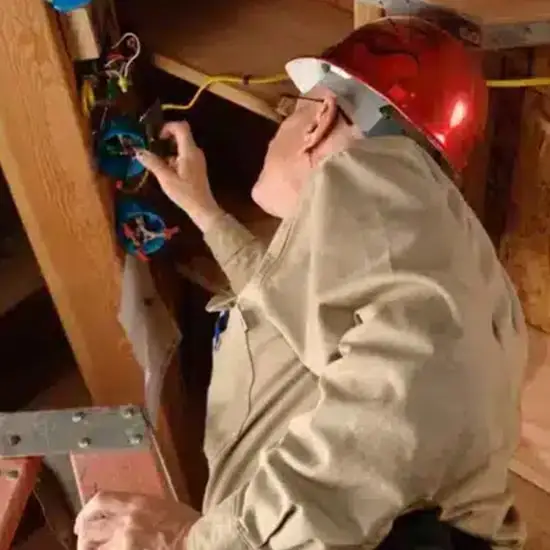
Pre Purchase Building Inspections go beyond basic assessments. Each property receives a thorough evaluation from the foundation through the roof structure. Our trade-qualified inspectors assess structural components, weathertightness systems, electrical installations, and plumbing infrastructure in accordance with AS 4349.1-2007.
Schedule your Pre-Purchase Building Inspection to receive your report within 24-48 hours. Every report includes moisture testing results, structural analysis, and detailed documentation to support confident property negotiations.
WRITTEN BUILDING INSPECTION
Professional and Reliable Inspection reports to AS4349.1 reporting Standards
METH TESTING
Same-day onsite testing with your building inspection in all suburbs
VERBAL BUILDING INSPECTION
On site or over the phone verbal overview for time critical decisions




Ryde's Unique Building Challenges
Ryde is not a one-era suburb. Its building performance profile is shaped by a patchwork of post-war stock, later brick veneer family homes, and extensive staged renovations. That variety creates a specific challenge for buyers: risk is less about age alone and more about how well old and new systems work together under real weather load.
1) Mixed-era junctions where defects concentrate
In Ryde, many homes have been altered over decades rather than rebuilt in one phase. Rear additions, enclosed patios, updated kitchens, and reworked rooflines are common. The highest-risk points are the interfaces: where original walls meet extensions, where roof geometry changes, and where newer materials join older drainage and service paths.
Our inspections often find that these interfaces look neat externally but show early warning signs internally, such as localised ceiling staining, damp insulation near tie-ins, or recurring plaster bubbling around cornice lines. In practical terms, this is usually not one dramatic failure. It is a collection of moderate detailing weaknesses that only become visible after repeated rain events.
Buyers can miss this pattern if they focus on room presentation rather than system continuity. A recently renovated rear living area may still inherit moisture pathways from older roof and drainage sections if the transition detailing was only partially addressed.
2) Established vegetation, roof drainage load, and overflow behaviour
Ryde’s mature trees are a major part of its street appeal, but they also increase roof maintenance demand. Leaf litter and fine debris reduce gutter and valley capacity, and overflow often starts at junction points that are difficult to see from ground level. Once that happens, water can track behind fascia, into eave zones, or through penetration flashings.
Tile roofs commonly show ageing in ridge and hip bedding, pointing, and valley lines. Metal roof sections on additions can exhibit fatigue at fastener, lap, and flashing interfaces. In homes that have had staged roof works, the newest section may perform well, while adjoining older sections become the weak link during periods of heavy rainfall.
A recurring Ryde pattern is intermittent moisture expression: minor internal marks that appear after storms, dry out, then return. Those cycles can continue for years if the underlying drainage and junction issues are treated as cosmetic rather than systemic.
3) Ground moisture, subfloor ventilation, and lower-level dampness
Ryde includes many sites where grade changes, retaining edges, and older landscaping influence how water behaves around the building perimeter. We often identify side paths or hardstand areas with marginal falls, downpipe discharge zones that remain wet, and perimeter garden build-ups that hold moisture against lower wall sections.
In older homes with accessible subfloors, reduced airflow and persistent dampness can create a risk pathway for timber deterioration. Even when there is no active major leak, repeated wet-dry cycling in poorly ventilated zones can shorten the service life of timber elements. This also increases the attractiveness to timber pests when conducive conditions are present.
For split-level homes or properties with limited ground contact, moisture loading can be uneven throughout the structure. One side may remain comparatively dry, while the other experiences recurring dampness after rainfall, leading to patchy symptom patterns that are easy to misread without full-site context.
Era-specific behaviour across Ryde housing
Post-war and 1960s to 1980s homes in Ryde often have robust framing and practical layouts, but they are now at an age where roof plumbing and wet-area details commonly require proactive upgrades. Properties renovated in stages tend to perform based on transition quality, not renovation spend.
Later homes and major rebuilds can still present risk where roof complexity, drainage capacity, or external falls were not matched to the final site layout. New-looking finishes do not always indicate that moisture pathways have been resolved.
Renovation patterns buyers should read carefully
Ryde has strong renovation activity, and many homes have excellent cosmetic outcomes. The key inspection question is whether water management was improved at the same time as appearance. We look for signs of partial upgrades: new paving over old drainage logic, renovated bathrooms tied to ageing service runs, and roof updates that stop short of adjoining problem sections.
When those partial patterns are present, maintenance can become repetitive and costly. Owners end up treating symptoms in sequence rather than addressing the underlying cause.
Recent Inspection Examples
Example 1: Renovated brick veneer with recurring rear ceiling marks
We inspected a renovated family home where the kitchen and rear living extension presented to a high standard. The buyer’s concern was recurring faint staining near a rear ceiling junction after heavy rain. Roof-space inspection showed damp insulation and moisture marking at an old-to-new roof tie-in, with signs of repeated sealant patching.
External checks also found gutter debris reducing flow at a critical valley discharge point. The issue was a combined junction-and-drainage pathway rather than an isolated internal defect.
Example 2: Older cottage with split drainage performance across the block
Another property was a well-maintained older cottage on a site with gentle fall and later landscaping changes. Internally, one side of the house showed minor skirting deterioration and intermittent damp odour, while the opposite side remained dry.
Inspection identified paving falls directing runoff toward the affected perimeter, as well as downpipe discharge concentrating water near a lower wall section. Subfloor checks (where accessible) showed elevated dampness in that same zone and reduced ventilation due to stored materials. The findings explained the asymmetric symptom pattern and helped prioritise drainage correction before repeated cosmetic repairs.
In Ryde, the most valuable inspection outcome is understanding how roof drainage, site falls, and moisture-prone junctions interact as one system. When that system is balanced, maintenance is usually predictable. When it is not, defects tend to repeat and ownership costs escalate faster than buyers expect.
We offer building inspections across Australia — Sydney, Melbourne, Perth, Adelaide, Canberra, Tasmania and Darwin.
Sydney locations include: Parramatta, Blacktown, Liverpool, Penrith, Campbelltown, Bankstown, Castle Hill, Baulkham Hills, Kellyville, Hornsby, Bondi, Coogee, Randwick, Chatswood, Newtown, Marrickville, Leichhardt, Ashfield, Manly, Dee Why, Hurstville, Burwood, Strathfield, Epping and Auburn.
