
Building Inspection Epping
BUILDING REPORT EPPING
Residential & Commercial Building Reports
Our Working Process
Book
Confirm
Inspect
Report
An on-site or over-the-phone verbal overview for time-critical decisions. Useful when you need an answer before an auction, a deadline, or a multi-offer situation.
Pre-purchase inspections occur before you make an offer or after acceptance, giving you crucial information about the property’s condition before you finalise your investment.
TESTING
Same-day on-site meth screening at your property. You'll know whether contamination is present before you commit to the purchase.
A pest inspection checks accessible areas of an Australian property for termites, borers, fungal decay and conditions that attract timber pests.
Builders Report Epping
What Our Inspectors Typically Find
Epping sells on north-west corridor convenience—Metro and rail links, village retail along Beecroft Road, and a housing mix that shifts from apartment-dense streets near the station to family homes on larger, sloping blocks toward North Epping and bushland edges. Listings lean on renovated kitchens, school-zone appeal, and quick access to Macquarie Park and the city.
From an inspection standpoint, Epping is rarely a single housing type: it is split-level and two-storey brick-veneer from the 1960s–1980s on cut-and-fill blocks, Californian bungalows and Federation cottages on modest allotments, inter-war and post-war walk-ups near the commercial core, and newer residential flat buildings along transport corridors.
The stock we inspect most often includes split-level and conventional brick-veneer family homes, detached Californian bungalows with terracotta or concrete tile roofs, and multi-storey residential flats around the station and main roads.
Roof types range from terracotta and concrete tile to corrugated metal on rear additions, carports, and lane sheds. Many sites feature mature street trees, sandstone cuttings, tight side paths, and stepped driveways, which make gutter debris loading, downpipe discharge behaviour, and maintenance access difficult, recurring findings.
Externally, roof plumbing and site drainage usually arrive early in the assessment. Valleys and box gutters under heavy tree cover, downpipes terminating onto paths rather than into functioning pits, and paving that falls toward the house are familiar themes—particularly on sloping blocks where lower garages and living wings sit below upslope hardstand. Intense rainfall on hard paving often produces splash staining, damp garage perimeters, and subfloor moisture signatures that sellers attribute to “old house smell” rather than to hydraulic behaviour.
Below the roof line, subfloors and lower-level rooms tell an important story on Epping’s stepped terrain. Poor ventilation at sandstone cut boundaries, runoff tracking along retaining interfaces, and stormwater paths altered by landscaping or paving result in damp masonry, efflorescence, or timber with uneven moisture pickup. Where rear decks or additions encase the original subfloor, airflow paths can be unintentionally choked, slowing drying and masking slow leaks.
Inside, bathrooms and laundries are commonly updated for family living or resale polish. Sharp tiles and new vanities can sit on older substrates where hob junctions, penetration sealing, and falls were not fully rebuilt. In walk-ups and small apartment blocks, communal roof edges, shared downpipe clusters, and ageing balcony or parapet detailing can produce symptoms in one lot that originate from a level above or a common discharge zone.
The standout local risk we flag most often in Epping is split-level and slope-cut housing meeting mature-tree roof loading and tight-boundary paving—roof water arrives hard at valleys and eaves, then concentrates at retaining edges, garages, and lower living wings where modern hardstand has reduced the margin for error. Two homes on the same street can diverge sharply once roof hydraulics, landform, and boundary paving are read honestly.
For purchasers, the practical lesson is that Epping condition risk is usually about how water is managed across the whole property and site, not just visible age or proximity to the station. Understanding those differences is what turns a glossy campaign into a realistic ownership forecast.
+
+
BUILDING INSPECTOR EPPING
24-48 Hour Report Delivery Guaranteed
Looking for a Building Inspector in Epping? Our trade-qualified inspectors provide thorough building reports within 24-48 hours, combining speed with meticulous attention to detail.
Our building inspection service is perfect for time-sensitive property purchases. Each inspector carries professional indemnity insurance and brings deep knowledge of your local market and common building challenges. All inspections comply with AS 4349.1-2007 standards for comprehensive, reliable assessments.
Property buyers rely on our inspection expertise for accurate, actionable assessments. Every report delivers a complete structural evaluation, weather-tightness analysis, and maintenance requirements—giving you the information you need to make confident purchasing decisions on schedule.
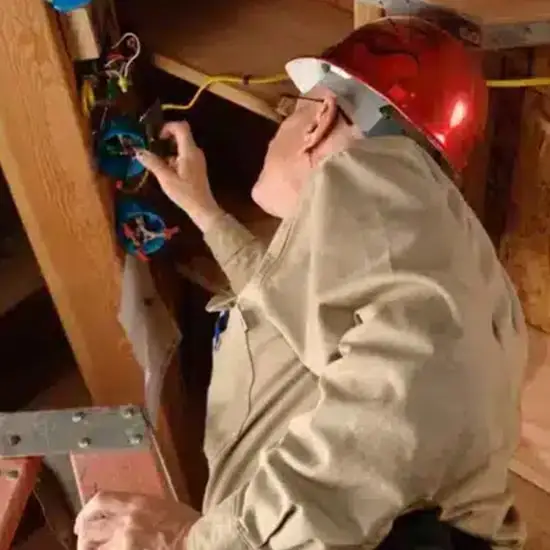

PRE PURCHASE BUILDING INSPECTION EPPING
Investing in property is a major financial commitment—a Pre Purchase Building Inspection protects that investment. Our comprehensive reports are prepared by inspectors with extensive knowledge and experience of the local market.
Pre Purchase Building Inspections go beyond basic assessments. Each property receives a thorough evaluation from the foundation through the roof structure. Our trade-qualified inspectors assess structural components, weathertightness systems, electrical installations, and plumbing infrastructure in accordance with AS 4349.1-2007.
Schedule your Pre-Purchase Building Inspection to receive your report within 24-48 hours. Every report includes moisture testing results, structural analysis, and detailed documentation to support confident property negotiations.
WRITTEN BUILDING INSPECTION
Professional and Reliable Inspection reports to AS4349.1 reporting Standards
METH TESTING
Same-day onsite testing with your building inspection in all suburbs
VERBAL BUILDING INSPECTION
On site or over the phone verbal overview for time critical decisions




Epping's Unique Building Challenges
Epping behaves differently from many north-west suburbs because landform changes quickly within the same postcode—flat station-belt streets give way to dissected plateau slopes, sandstone cuttings, and larger North Epping allotments edging Lane Cove National Park.
City of Parramatta Council’s planning settings and transport corridor renewal mean many sites carry layered renovations aimed at yield near the centre, while hillside blocks retain post-war family housing stock altered in stages over decades. Defects therefore cluster at interfaces—where old masonry meets new additions, where split-level slabs step across catchments, and where stormwater has to drop across a slope in tight boundaries.
Split-level homes, cut-and-fill blocks, and lower-wing hydraulics
Split-level and stepped-brick-veneer homes are a defining layer of Epping. Lower living zones, rumpus rooms, and garages often sit below upslope driveways, retaining walls, and paved entertaining areas that were not always detailed to reliably shed intense burst rainfall. Moisture symptoms may track from upslope paving, neighbour discharge points, or overland flow during east-coast lows rather than from a simple roof leak.
Inspection thinking here has to connect roof performance, surface falls, and grade-level drainage. A recurring buyer trap is chasing internal plaster repairs while the upstream pathway—blocked spoon drains, reversed falls toward the house, or a failed junction at a retaining edge—remains unchanged.
Sandstone cuttings, retaining interfaces, and bushland-edge blocks
Parts of Epping and North Epping sit on dissected plateau country, with sandstone-cut boundaries, stepped driveways, and blocks that back onto bushland or creek corridors associated with the Lane Cove River catchment. That matters when inspecting boundaries, garages, and subfloor zones: damp signatures can reflect intermittent sheet flow, splash against retaining faces, and limited ventilation at cut walls rather than a generic “rising damp” story.
This is not about catastrophe narratives—only about recognising that slope and catchment behaviour can be subtle. A modest paving change upslope can shift water across a boundary that previously coped, producing recurring efflorescence and timber moisture pickup at the downhill perimeter.
Californian bungalows, Federation cottages, and staged rear transformations
Older detached stock in Epping frequently carries Californian bungalow or Federation-era bones that have been opened up toward rear decks, outdoor rooms, and second-storey additions. Those alterations improve livability but multiply junction risk: new lintels tied into old brickwork, deck bearers into damp perimeters, skylight penetrations clustered along former ridge lines, and rear slabs that step across older damp-management intentions.
Sleeper subfloors and suspended timber zones remain sensitive to changes in perimeter paving on modest allotments. A continuous concrete path poured tight to the wall line can bridge vent zones and trap splashback against brick, producing internal symptoms that appear slowly and persistently.
Station-belt flats, walk-ups, and shared envelope duty cycles
Closer to Epping station and along main roads, inter-war and later residential flat buildings introduce a different defect cycle: concrete balconies and parapets, communal roof areas, and shared downpipe runs that need disciplined clearing. Individual lots can present immaculate interiors while corridor ceilings, stair bulkheads, or robe cavities show older repaint cycles tied to façade or roof-edge behaviour above.
Purchasers in this stock should expect more emphasis on vertical stacking of moisture drivers and communal hydraulic margins than on the subfloor ventilation themes that dominate split-level family homes a few streets away.
Era-specific risk patterns in Epping
Split-level and 1960s–1980s brick-veneer homes often exhibit concrete tile edge cracking, rear-addition junctions with mixed flashing quality, and lower wings sensitive to upslope hardstand changes. Californian bungalows and Federation cottages frequently show valley fatigue, chimney shoulder weathering, and side-path hydraulic concentration on allotments that were never wide.
Inter-war walk-ups and small apartment blocks commonly exhibit parapet-edge fatigue, neglected communal gutters, and wet areas stacked along party or rear-lane elevations. Newer infill near transport corridors introduces podium drainage, basement thresholds, and fence-line discharge that must perform every storm—not only on inspection day.
Renovation sequencing behind retained street faces
Epping’s economics reward maximising bedrooms, decks, and paved outdoor rooms while keeping a presentable street face. The technical downside is staged sequencing: new wet areas upstairs while rear wall lines remain original; rear decks built tight to brick without continuous drip discipline; retaining walls upgraded cosmetically without revisiting drainage at the toe; waterproofing terminated against cladding that was replaced later.
Purchasers benefit when inspections separate cosmetic renewal from performance renewal—particularly at split-level slab junctions, retaining interfaces, party-wall roof edges, and rear thresholds where indoor cooling meets humid external air against ageing sealant lines.
Recent Inspection Examples
Example 1: Split-level brick veneer with recurring lower-wing skirting damp after upslope driveway re-sheet
We inspected a split-level family home marketed with a refreshed kitchen and repainted upper levels. Along the lower lounge skirting, patchy swelling returned after heavy rain; the vendor assumed a plumbing leak in the laundry below.
Outside, a recently re-sheeted driveway and crossover upslope appeared to pitch sheet flow toward a retaining edge beside the lower wing, while two downpipes terminated onto the same paved approach without a clear grated pit line in the discharge panel.
Roof-space checks showed debris loading at a valley discharge zone shaded by mature planting. Moisture patterning tracked more consistently with intermittent hydraulic concentration at the retaining interface and reduced drying at the lower perimeter than with a continuous internal plumbing failure.
The scenario was invisible from the listing hero shots, which focused on the renovated kitchen and main living level.
Example 2: North Epping bungalow with a sandstone side cutting and obstructed subfloor vents behind a new retaining ledge
A detached Californian bungalow on a sloping block presented with tidy cosmetics and a recent rear deck. The buyer reported a musty note in a ground-floor bedroom after storms along the side closest to a sandstone cutting. Outside, a new garden retaining ledge had been built tight to the brick line, with paving falls riding toward the footing and several subfloor vents partly buried behind the ledge face.
Subfloor access showed patchy damp concentrated along the bearers on that flank, and early corrosion spotting on the ant caps. Internal skirting movement aligned with the same elevation rather than presenting symmetrically around the house.
Inspection mapped drivers as combined—reduced subfloor airflow, splash and sheet flow at the cutting, and intermittent roof overflow at a nearby valley—rather than a single dramatic leak signature indoors.
The finding shifted practical discussion toward perimeter drainage and ventilation behaviour on a slope-cut block—work that cannot be resolved with internal paint alone.
In Epping, the inspection value usually comes from reading split-level hydraulics, slope-cut perimeter behaviour, and mature-tree roof loading as a single system. When those elements are integrated, ownership tends to feel predictable; when they are treated as isolated cosmetic issues, buyers often inherit a repeating wet-weather story.
We offer building inspections across Australia — Sydney, Melbourne, Perth, Adelaide, Canberra, Tasmania and Darwin.
Sydney locations include: Parramatta, Blacktown, Liverpool, Penrith, Campbelltown, Bankstown, Castle Hill, Baulkham Hills, Kellyville, Ryde, Hornsby, Bondi, Coogee, Randwick, Chatswood, Newtown, Marrickville, Leichhardt, Ashfield, Manly, Dee Why, Hurstville, Burwood, Strathfield and Auburn.
