Building Inspection Randwick
BUILDING REPORT RANDWICK
Residential & Commercial Building Reports
Our Working Process
Book
Confirm
Inspect
Report
An on-site or over-the-phone verbal overview for time-critical decisions. Useful when you need an answer before an auction, a deadline, or a multi-offer situation.
Pre-purchase inspections occur before you make an offer or after acceptance, giving you crucial information about the property’s condition before you finalise your investment.
TESTING
Same-day on-site meth screening at your property. You'll know whether contamination is present before you commit to the purchase.
A pest inspection checks accessible areas of an Australian property for termites, borers, fungal decay and conditions that attract timber pests.
Builders Report Randwick
What Our Inspectors Typically Find
Randwick presents as a settled eastern suburbs centre—with wide stretches of residential streets, a civic spine toward Prince of Wales Hospital and The Spot, and steady demand from families, downsizers, and renters tied to the university belt. Listings often emphasise convenience, tree-lined blocks, and solid brick-and-tile substance rather than pure beach adjacency.
From an inspection standpoint, that profile still hides a demanding mix of ageing roof plumbing, moisture pathways shaped by mature planting, and buildings that have been subdivided, extended, or strata-converted across multiple decades.
The housing inventory we commonly inspect spans Victorian and Federation-era terraces and cottages in conservation pockets, inter-war and Californian bungalow detached houses, post-war brick homes on generous-ish allotments, and sizeable mid-rise strata stock from the 1960s onward through to recent infill near transport corridors. Roof types reflect that spread: slate or terracotta on older fabric, concrete tile on mid-century houses, and metal or membrane-dominated sections on rear additions and newer apartments.
Externally, Randwick’s canopy-heavy streets push gutter performance and valley maintenance into recurring findings. Leaf litter and fine debris from street trees frequently overload gutters during intense rainfall, backing water into eaves and fascia junctions, even where the roof surface itself looks sound. Older box gutters behind parapet-style fronts—common on some period rows—amplify that risk because blockage or marginal falls may not be visible until staining appears indoors.
Moisture behaviour below roof level often ties back to drainage at boundaries rather than dramatic envelope failure. Paved driveways with reversed falls toward garages, buried agricultural pipes that no longer accept sheet flow, and tight side paths where downpipes discharge against masonry show up as damp skirtings, efflorescence in garages, or uneven timber moisture in subfloors. Randwick’s sandstone geology sometimes concentrates seepage along cutting lines after prolonged wet spells.
Inside, kitchens and bathrooms are frequently renovated to suit rental cycles or resale polish. Presentation can be sharp while hob junctions, penetration sealing behind vanities, and laundry tubs sitting on older membranes tell a less certain story. In strata units, we often map ceiling symptoms to common wet walls, stair cores, and corridor ceilings—patterns that suggest upstream communal-envelope duty rather than isolated owner neglect.
Secondary dwellings and attic or subfloor conversions—particularly nearer the university fringe—add inspection complexity: extra wet points, additional roof penetrations for skylights or services, and ventilation paths that were never part of the original dwelling logic.
The standout local risk we flag most often in Randwick is mature-tree stormwater loading interacting with tired roof drainage and tight boundary paving—moisture symptoms appear “down low” or deep in subfloors while the initiating constraint sits upslope in gutters, valleys, or grade-level discharge. Buyers who fix plaster without correcting hydraulic behaviour commonly see the same patterns return after the next East Coast low.
For purchasers, the takeaway is that Randwick solidity on paper does not equal uniformity on site. Two brick houses on the same street can diverge sharply depending on roof geometry, boundary drainage, strata envelope condition, and how thoughtfully previous alterations handled tie-ins to the original fabric.
+
+
BUILDING INSPECTOR RANDWICK
24-48 Hour Report Delivery Guaranteed
Looking for a Building Inspector in Randwick? Our trade-qualified inspectors provide thorough building reports within 24-48 hours, combining speed with meticulous attention to detail.
Our building inspection service is perfect for time-sensitive property purchases. Each inspector carries professional indemnity insurance and brings deep knowledge of your local market and common building challenges. All inspections comply with AS 4349.1-2007 standards for comprehensive, reliable assessments.
Property buyers rely on our inspection expertise for accurate, actionable assessments. Every report delivers a complete structural evaluation, weather-tightness analysis, and maintenance requirements—giving you the information you need to make confident purchasing decisions on schedule.

PRE PURCHASE BUILDING INSPECTION RANDWICK
Investing in property is a major financial commitment—a Pre Purchase Building Inspection protects that investment. Our comprehensive reports are prepared by inspectors with extensive knowledge and experience of the local market.
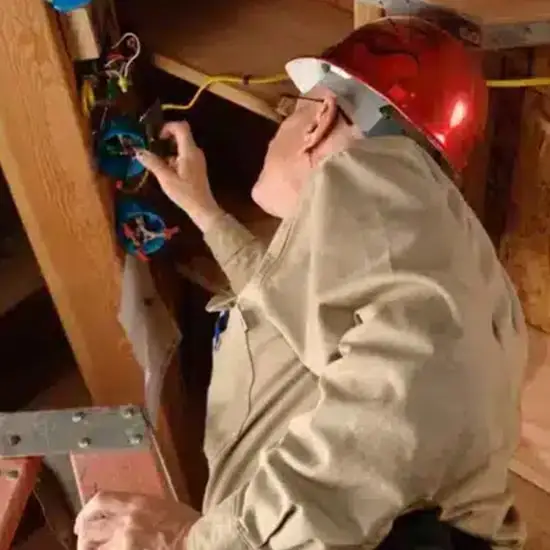
Pre Purchase Building Inspections go beyond basic assessments. Each property receives a thorough evaluation from the foundation through the roof structure. Our trade-qualified inspectors assess structural components, weathertightness systems, electrical installations, and plumbing infrastructure in accordance with AS 4349.1-2007.
Schedule your Pre-Purchase Building Inspection to receive your report within 24-48 hours. Every report includes moisture testing results, structural analysis, and detailed documentation to support confident property negotiations.
WRITTEN BUILDING INSPECTION
Professional and Reliable Inspection reports to AS4349.1 reporting Standards
METH TESTING
Same-day onsite testing with your building inspection in all suburbs
VERBAL BUILDING INSPECTION
On site or over the phone verbal overview for time critical decisions




Randwick's Unique Building Challenges
Randwick functions as both a residential suburb and a precinct suburb—hospital traffic, education-driven renting, retail hubs, and light rail corridors all influence how buildings age and how maintenance gets prioritised. Housing ranges from tightly conserved heritage streetscapes to utilitarian walk-ups built for occupancy densities that today’s sharing economy no longer expects.
Defects therefore cluster around envelope duty in strata, heritage-era junctions in detached stock, and drainage logic constrained by established landscaping and hard paving.
Tree canopy, boundary paving, and hydraulic choke points
Randwick’s mature street trees improve amenity but materially change hydraulic behaviour at roof and ground level. Inspection discussions often need to separate “roof leak” from “roof overload”: in many cases, the membrane or tile field is serviceable while gutters, valleys, and downpipe connections cannot clear debris quickly enough during intense bursts.
At grade, the same canopy contributes to blocked grated pits, fine sediment in spoon drains, and sheet flow that rides across paths into garages or lower habitable edges. Neighbour works—raising a driveway lip, installing continuous paving without redirection—can shift runoff onto a boundary that previously coped.
Buyers sometimes interpret dampness in the garage or salt staining on masonry as rising damp or intrinsic basement failure. In Randwick, we frequently observe similar symptoms of intermittent concentration at the slab edge after storms, compounded by poor splash protection and limited ventilation.
Strata envelopes, student-era wear patterns, and uneven renewal cycles
Large parts of Randwick’s apartment supply date from mid-century through late twentieth-century construction methods that assumed simpler balcony detailing and lighter occupancy churn. Converting balconies, enclosing portions for studies, or relying on portable cooling assets can change condensation risk at glazing lines, even when waterproofing was adequate for the original use.
Near the university belt, higher turnover and moisture-intensive occupancy can accelerate fatigue at wet-area junctions and internal linings, while the communal envelope may lag on programmed renewal. Inspection clues include recurring corridor ceiling patches aligned with penetration clusters, rust bleed at balcony drip edges, spalling at slab corners exposed to weather cycles, and façade sealant that has hardened without being replaced as part of the system.
Minutes and budgets do not always reveal latent envelope-sequencing issues—particularly when individual owners upgrade interiors while shared gutters, parapets, or planter interfaces remain on an older duty cycle.
Heritage streetscapes with staged rear transformations
Period pockets in Randwick carry street-facing discipline—roof pitches, chimneys, front verandahs—while rear wings often tell a messier technical story: rear additions stepping across historic damp-proof lines, deck structures bearing into perimeter zones without continuous drip paths, and skylight fields interrupting original ceiling diaphragms.
Owners frequently maximise rear outdoor living with pergolas, tiled terraces, and large openings. These upgrades succeed aesthetically yet multiply penetration counts and demand coherent flashing transitions onto older brickwork or cavity walls. Where the slope falls toward the house or planter edges sit against wall faces without drained separation, leakage tends to track along lintels and ceiling margins in ways that resemble roof failure from inside the room below.
Era-specific risk patterns in Randwick
Victorian and Federation rows often combine fragile chimney shoulders, aging valley configurations hidden behind front parapet-like treatments, and subfloor zones that were never designed for modern paved rear courts. Californian bungalows commonly present generous roof areas feeding undersized guttering relative to contemporary rainfall expectations, and sleeper-supported timber floors are vulnerable when perimeter vents are partly blocked during paving upgrades.
Post-war detached brick houses may conceal brittle drainage infrastructure at the boundaries with garages and laundry exits—zones that are repeatedly altered without revisiting the whole-site drainage logic. Mid-rise strata stock introduces communal roof plant supports, duct penetrations, and lift overrun zones that behave as moisture highways during prolonged wet weather if detailing has slipped.
Renovation sequencing near hospitals, retail strips, and transport corridors
Randwick’s renovation market is shaped by resale polish and rental viability. Works are often staged across owners or tenancies: a new kitchen sits against an untouched laundry wall line; a rear deck is rebuilt without revisiting the junction with the original brick; a bathroom receives a surface renewal while the hob edge detail remains unchanged.
Purchasers benefit when inspections distinguish finishes renewal from performance renewal—particularly at parapet-adjacent roofs, balcony thresholds, and any threshold where indoor cooling meets humid eastern-suburbs air movement patterns.
Recent Inspection Examples
Example 1: Inter-war bungalow with “mystery” lounge cornice staining near a street-tree alignment
We inspected a detached bungalow marketed as low-maintenance brick with updated carpet and paint. A faint tide line traced along one lounge cornice after storms; the vendor assumed it was a crack in the tiled roof. From the roof edge, the staining alignment corresponded with a valley discharge zone partly shaded by a mature street-tree limb and a gutter segment carrying leaf mulch despite recently cleared downpipes elsewhere.
Overflow behaviour during moderate rain had been intermittently wetting the fascia cavity, producing ceiling marking without a continuous attic-leak signature. The practical implication was hydraulic maintenance and discharge positioning—not wholesale roof replacement—yet that distinction was invisible from the interior alone.
Example 2: Walk-up unit near the university belt with wardrobe mould and corridor-linked damp signatures
A ground-floor apartment showed tidy cosmetics but recurring mould spotting behind built-in robes along a party wall. The buyer feared rising damp from the slab. Corridor-side ceilings in the common walkway exhibited older repaint cycles directly above the same tenancy cluster.
Inspection highlighted aged balcony edge sealing on the level above, garden irrigation overspray against a low perimeter wall, and internal robe cavities acting as cool traps with no airflow behind the linings. Moisture drivers were multiple and vertically stacked rather than a single slab defect—a pattern common where interior upgrades outpace communal façade renewal.
In Randwick, inspections tend to pay off when roof hydraulics, boundary drainage, and strata envelope sequencing are read as connected behaviours rather than isolated symptoms. That integrated view usually separates predictable maintenance from expensive repeat repairs.
We offer building inspections across Australia — Sydney, Melbourne, Perth, Adelaide, Canberra, Tasmania and Darwin.
Sydney locations include: Parramatta, Blacktown, Liverpool, Penrith, Campbelltown, Bankstown, Castle Hill, Baulkham Hills, Kellyville, Ryde, Hornsby, Bondi, Coogee, Chatswood, Newtown, Marrickville, Leichhardt, Ashfield, Manly, Dee Why, Hurstville, Burwood, Strathfield, Epping and Auburn.
