Building Inspection Bondi
BUILDING REPORT BONDI
Residential & Commercial Building Reports
Our Working Process
Book
Confirm
Inspect
Report
An on-site or over-the-phone verbal overview for time-critical decisions. Useful when you need an answer before an auction, a deadline, or a multi-offer situation.
Pre-purchase inspections occur before you make an offer or after acceptance, giving you crucial information about the property’s condition before you finalise your investment.
TESTING
Same-day on-site meth screening at your property. You'll know whether contamination is present before you commit to the purchase.
A pest inspection checks accessible areas of an Australian property for termites, borers, fungal decay and conditions that attract timber pests.
Builders Report Bondi
What Our Inspectors Typically Find
Bondi properties often sell on lifestyle first: beach proximity, strong rental demand, and period character that presents beautifully in photos and open homes. From an inspection perspective, though, Bondi homes and small residential buildings have a distinct risk profile shaped by coastal exposure, ageing building stock, and high levels of renovation activity. The result is that the cosmetic presentation can be excellent while moisture, roof, and envelope defects remain active beneath the surface.
The housing mix we inspect in Bondi is broad but recognisable. There are Federation and inter-war semis, older brick apartment blocks, post-war walk-ups, and heavily modernised houses with rear additions or upper-level alterations. Roof types vary from terracotta and slate on older stock to corrugated metal and membrane-style roof sections on newer works. Because so many properties have been altered in stages, key risk zones are usually at junctions where old materials and newer detailing meet.
External envelope performance is one of the first themes we assess. In Bondi’s marine environment, salt-laden air and wind-driven rain accelerate wear at metal flashings, fasteners, balustrade fixings, lintels, and exposed connection points. Even where no major leak is obvious, we often find early corrosion, sealant breakdown, and staining patterns that indicate repeated moisture ingress around windows, parapets, and roof penetrations.
Roof drainage is another recurring issue. Gutters and downpipes are frequently undersized for modern rainfall intensity or are carrying deferred maintenance from years of piecemeal repairs. In older homes and walk-ups, we commonly identify tired valley lines, patched flashings, and overflow behaviour that pushes water back into vulnerable areas rather than away from the structure. In renovated properties, waterproofing continuity at roof terraces, balconies, and parapet junctions is a common weak point if design and execution were not well integrated.
Inside, wet areas and service penetrations often reveal concealed moisture pathways. Bathrooms that look recently updated can still show elevated moisture at junctions, failed seals at shower edges, or leakage around plumbing transitions. In apartments and attached dwellings, these issues can affect neighbouring walls and lower levels before becoming obvious in the room where they originated.
Subfloor and lower-level conditions vary by building type, but in Bondi, we regularly inspect for dampness at basement-adjacent walls, rising moisture signatures in older masonry, and limited ventilation in enclosed under-house zones. Timber elements in persistent damp environments are more vulnerable to deterioration over time, particularly where drainage and airflow have been compromised by later alterations.
The standout local risk we most often flag in Bondi is coastal moisture and salt exposure acting on already complex renovation-era junctions. Small failures at flashings, membranes, or penetrations can deteriorate more quickly near the coast, and recurring repairs can become expensive if the underlying water path is not fully corrected.
For buyers, the practical takeaway is that Bondi condition risk is usually about durability under exposure, not just visible age. Two properties with similar presentation can have very different maintenance trajectories depending on envelope detailing, drainage performance, and the quality of previous works.
+
+
BUILDING INSPECTOR BONDI
24-48 Hour Report Delivery Guaranteed
Looking for a Building Inspector in Bondi? Our trade-qualified inspectors provide thorough building reports within 24-48 hours, combining speed with meticulous attention to detail.
Our building inspection service is perfect for time-sensitive property purchases. Each inspector carries professional indemnity insurance and brings deep knowledge of your local market and common building challenges. All inspections comply with AS 4349.1-2007 standards for comprehensive, reliable assessments.
Property buyers rely on our inspection expertise for accurate, actionable assessments. Every report delivers a complete structural evaluation, weather-tightness analysis, and maintenance requirements—giving you the information you need to make confident purchasing decisions on schedule.

PRE PURCHASE BUILDING INSPECTION BONDI
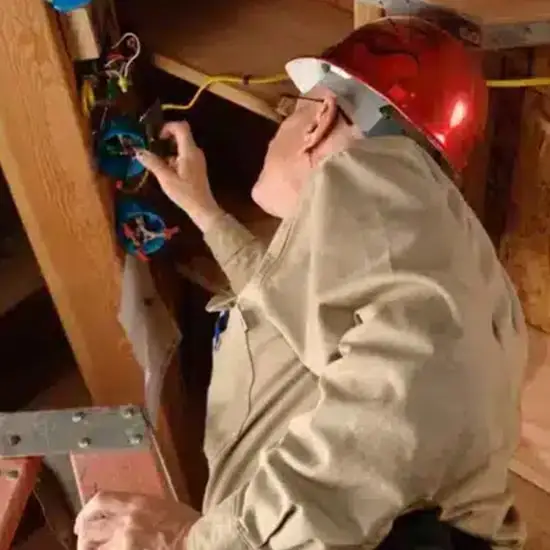
Investing in property is a major financial commitment—a Pre Purchase Building Inspection protects that investment. Our comprehensive reports are prepared by inspectors with extensive knowledge and experience of the local market.
Pre Purchase Building Inspections go beyond basic assessments. Each property receives a thorough evaluation from the foundation through the roof structure. Our trade-qualified inspectors assess structural components, weathertightness systems, electrical installations, and plumbing infrastructure in accordance with AS 4349.1-2007.
Schedule your Pre-Purchase Building Inspection to receive your report within 24-48 hours. Every report includes moisture testing results, structural analysis, and detailed documentation to support confident property negotiations.
WRITTEN BUILDING INSPECTION
Professional and Reliable Inspection reports to AS4349.1 reporting Standards
METH TESTING
Same-day onsite testing with your building inspection in all suburbs
VERBAL BUILDING INSPECTION
On site or over the phone verbal overview for time critical decisions




Bondi's Unique Building Challenges
Bondi differs from many Sydney suburbs because environmental exposure is a constant design load rather than an occasional event. Wind, salt, and coastal humidity act on buildings year-round, and that ongoing stress combines with older stock and heavy renovation activity. In practical terms, defects in Bondi often emerge where performance margins are already tight: parapets, balconies, roof transitions, and wet-area interfaces in buildings that have been modified more than once.
1) Marine exposure and accelerated material fatigue
Coastal air changes how quickly common building elements age. In Bondi, we routinely observe corrosion at exposed metal connections, flashings, and fasteners sooner than buyers expect, particularly where maintenance has been reactive rather than planned. Even small areas of coating failure can progress quickly when salt and moisture are persistent.
This does not mean every coastal property is high-risk by default. It means durability depends heavily on the quality of details, maintenance frequency, and whether previous repairs addressed the root causes. A balcony balustrade connection, window frame junction, or roof-edge flashing can look sound at a glance, yet still be carrying early-stage deterioration that will continue if exposure pathways remain active.
Wind-driven rain compounds this effect. Water is more likely to be pushed laterally into junctions that perform adequately in calmer suburbs. We therefore place extra focus on edges and interfaces: window perimeters, parapet caps, penetration flashings, and points where membranes terminate.
2) Parapets, balconies, and flat or low-fall roof transitions
Bondi has many homes and low-rise buildings with parapet walls, roof terraces, and balcony-heavy layouts. These features suit the local lifestyle but add complexity to waterproofing. The most common issue is not a single obvious failure; it is a breakdown in continuity across multiple joined elements.
Typical findings include ponding tendencies on low-fall surfaces, membrane terminations patched over time, deteriorated sealant at control joints, and moisture tracking at door thresholds. Where tiles or finishes were upgraded without fully rebuilding the waterproofing layer beneath, symptoms can recur despite repeated cosmetic repairs.
In attached dwellings and apartments, seepage from balconies or roof terraces can also migrate into adjacent units or shared structural zones before the source is identified. This is why inspection analysis in Bondi needs to follow water paths, not just visible damage points.
A recurring buyer trap is assuming that recent surface works equal full rectification. In many cases, visible finishes were refreshed while the original drainage logic or membrane transitions remained unchanged.
3) Mixed-era renovations and concealed moisture interfaces
Bondi properties are frequently updated to maximise light, open-plan living, and indoor-outdoor use. Rear additions, upper-storey alterations, and kitchen-bathroom rebuilds are common. These projects can substantially improve amenity, but they also increase the number of interfaces where moisture management must be exact.
We regularly inspect homes where renovation quality appears high in occupied spaces, yet moisture indicators show vulnerability at tie-ins between original and altered sections. Roof-to-wall transitions, threshold details, and service penetrations are recurring sites of concealed ingress. Bathrooms and laundries are particularly important because repeated minor leakage can remain hidden behind cabinetry and linings for long periods.
In older masonry or mixed-material structures, the interaction between newer sealed finishes and original fabric can also affect drying behaviour. If moisture enters and cannot dissipate effectively, damage tends to accumulate in concealed zones before becoming visible.
Era-specific risk patterns in Bondi
Older semis and inter-war stock often carry age-related wear in roof plumbing, parapet detailing, and moisture management at wall interfaces. Many have undergone multiple waves of upgrade, so risk is usually concentrated at transitions between retained original elements and newer work.
Post-war apartments and walk-ups can present a different profile: shared drainage systems, balcony waterproofing challenges, and moisture transfer between units or common areas. Newer high-spec renovations may look pristine, but still depend on the reliability of surrounding older fabric and drainage pathways.
Why defect recurrence is common in coastal settings
Bondi’s key challenge is recurrence under exposure. A localised repair may appear successful for a period, only to fail again when weather stress returns. This pattern is especially common where drainage capacity, membrane continuity, and detailing at penetrations were never addressed as one system.
For buyers, this means inspection value comes from identifying the mechanism, not just the symptoms. Understanding how water enters, where it tracks, and what keeps that pathway active is what prevents repeated repair spending.
Recent Inspection Examples
Example 1: Renovated semi with recurrent parapet-adjacent staining
We inspected a renovated semi where interiors were immaculately presented and recent paintwork looked fresh throughout. The buyer had noticed faint staining reappearing near the upper wall after periods of driven rain. Inspection identified moisture markers near a parapet and roof transition where flashing details had been patched in stages.
The roof drainage path in the same area showed reduced efficiency due to debris and minor fall issues, increasing the wet load at that junction. The findings indicated a repeating ingress pathway rather than an isolated internal defect.
Example 2: Apartment with balcony-edge seepage symptoms
A beachside apartment presented with modern finishes and updated wet areas, but the owner reported intermittent dampness at the living room skirting near the balcony door line. Inspection found deterioration at threshold sealing and evidence of moisture movement consistent with balcony-edge ingress during heavy weather. Adjacent service penetrations in the same zone showed aged sealant and signs of early corrosion. The issue was not a single dramatic leak event, but rather cumulative exposure across several underperforming details.
In Bondi, the highest-value inspection outcome is a whole-system understanding of exposure, drainage, and interface durability. When these elements are integrated and maintained proactively, ongoing ownership costs are usually predictable. When they are treated as isolated defects, recurrence is common and budgets can escalate quickly.
We offer building inspections across Australia — Sydney, Melbourne, Perth, Adelaide, Canberra, Tasmania and Darwin.
Sydney locations include: Parramatta, Blacktown, Liverpool, Penrith, Campbelltown, Bankstown, Castle Hill, Baulkham Hills, Kellyville, Ryde, Hornsby, Coogee, Randwick, Chatswood, Newtown, Marrickville, Leichhardt, Ashfield, Manly, Dee Why, Hurstville, Burwood, Strathfield, Epping and Auburn.
