Building Inspection Blacktown
BUILDING REPORT BLACKTOWN
Residential & Commercial Building Reports
Our Working Process
Book
Confirm
Inspect
Report
An on-site or over-the-phone verbal overview for time-critical decisions. Useful when you need an answer before an auction, a deadline, or a multi-offer situation.
Pre-purchase inspections occur before you make an offer or after acceptance, giving you crucial information about the property’s condition before you finalise your investment.
TESTING
Same-day on-site meth screening at your property. You'll know whether contamination is present before you commit to the purchase.
A pest inspection checks accessible areas of an Australian property for termites, borers, fungal decay and conditions that attract timber pests.
Builders Report Blacktown
What Our Inspectors Typically Find
What Our Inspectors Typically Find
Blacktown presents, like many confident western Sydney suburbs, on inspection day: tidy brick façades, concrete paths, neat lawns, and street trees that make streets feel established rather than “new estate raw.” Under that neat presentation, though, Blacktown’s housing sits on the same practical realities as much of Greater Western Sydney — reactive clay soils that move with the seasons, stormwater behaviour that has often been upgraded piecemeal over decades, and timber-framed construction that remains attractive to termites when moisture is managed poorly.
Most detached homes we inspect in Blacktown fall into a few clear buckets: post-war and 1960s–70s fibro and brick-veneer cottages and modest bungalows closer to the older commercial spine; 1980s–2000s brick veneer “project home” style houses on generous blocks; and a growing layer of renovated originals plus newer infill where older yards have been subdivided or rear dwellings added. Roofs are commonly concrete, terracotta tile, or older corrugated metal, sometimes with later Colorbond overlays. Subfloors are frequently accessible (which is helpful for inspection), but they also tend to be ventilated in ways that reflect older conventions — fine when dry, problematic when drainage steers water toward piers or when hidden leaks keep timbers damp.
On the roofline, we routinely document bedding and pointing that have aged beyond their reliable service life on terracotta caps, tray rust at valleys and skylight junctions, and rust streaking from fasteners on older steel roofs. Gutters and downpipes are often original or partially replaced; mixed older and newer sections can leak in ways that don’t show until you trace water staining into eaves lining or top plates. Western Sydney’s heat cycling also shows up as brittle sealants, cracked tile clips in places, and fatigue at penetrations — small items individually, expensive collectively if the roof has been “made to look new” from the ground.
Moisture-control faults recur across eras: failed waterproof membranes behind shower tiles, slow leaks at WC connectors, and laundry-trough overflows that have stained particle-board cabinetry and tracked into adjacent framing. Where older asbestos cement exists in eaves, wet-area linings, or external cladding (common in homes built before the mid-1980s), disturbance risk becomes part of the buyer’s practical planning — not because every sheet is automatically an urgent issue, but because demolition and drilling during a cosmetic renovation can turn hidden materials into a costly surprise.
The standout risk we flag for Blacktown buyers is the combination of reactive ground, mature landscaping, and dated site drainage. Western Sydney’s clay soils swell and shrink as moisture changes; large trees, paved surfaces that pond water, broken stormwater pits, and leaking taps near the perimeter can all exaggerate footing movement and produce staged cracking in brickwork, sticky doors, and floors that read as “just old house character” until you measure and trace the pattern. That soil–moisture interaction also influences termite pressure: subterranean species favour reliable damp pathways. Blacktown sits in a high-termite-hazard band for Sydney, and we regularly find shelter tubes, damaged hardwood bearers, and gallery patterns in areas where drainage and plumbing leaks have gone unaddressed.
Maintenance varies sharply from street to street — long-term owner care versus investor portfolios with reactive repairs — so two houses of similar age can present very different risk profiles. Our role is to separate cosmetic renewal from items that affect ownership costs: roof renewal scope, subfloor integrity, drainage behaviour around the building, moisture risks in wet areas, and timber pest findings that may not be visible without a thorough inspection.
+
+
BUILDING INSPECTOR BLACKTOWN
24-48 Hour Report Delivery Guaranteed
Looking for a Building Inspector in Blacktown? Our trade-qualified inspectors provide thorough building reports within 24-48 hours, combining speed with meticulous attention to detail.
Our building inspection service is perfect for time-sensitive property purchases. Each inspector carries professional indemnity insurance and brings deep knowledge of your local market and common building challenges. All inspections comply with AS 4349.1-2007 standards for comprehensive, reliable assessments.
Property buyers rely on our inspection expertise for accurate, actionable assessments. Every report delivers a complete structural evaluation, weather-tightness analysis, and maintenance requirements—giving you the information you need to make confident purchasing decisions on schedule.

PRE PURCHASE BUILDING INSPECTION BLACKTOWN
Investing in property is a major financial commitment—a Pre Purchase Building Inspection protects that investment. Our comprehensive reports are prepared by inspectors with extensive knowledge and experience of the local market.
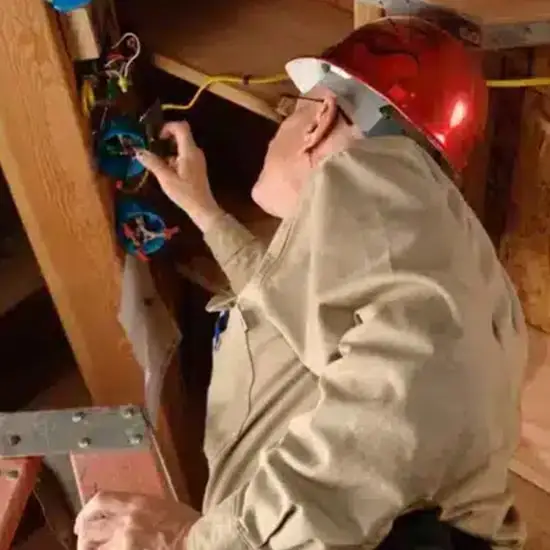
Pre Purchase Building Inspections go beyond basic assessments. Each property receives a thorough evaluation from the foundation through the roof structure. Our trade-qualified inspectors assess structural components, weathertightness systems, electrical installations, and plumbing infrastructure in accordance with AS 4349.1-2007.
Schedule your Pre-Purchase Building Inspection to receive your report within 24-48 hours. Every report includes moisture testing results, structural analysis, and detailed documentation to support confident property negotiations.
WRITTEN BUILDING INSPECTION
Professional and Reliable Inspection reports to AS4349.1 reporting Standards
METH TESTING
Same-day onsite testing with your building inspection in all suburbs
VERBAL BUILDING INSPECTION
On site or over the phone verbal overview for time critical decisions




Blacktowns's Unique Building Challenges
Blacktown differs from inner-ring suburbs because it expanded as a housing destination over multiple decades, rather than in a single era. That layering matters on site: a “typical Blacktown house” might be a neat 1990s brick veneer on a cut-and-fill block, a 1970s home with a converted garage and added pergola, or a compact post-war cottage that has been partially reclad. The streetscape can look uniform from the car, but footing systems, roof truss layouts, subfloor heights, and the quality of owner additions vary enormously — which is exactly why generic checklists miss the expensive problems.
Reactive soils, trees, and the drainage “triangle”
Much of Blacktown’s residential land sits over stiff to highly reactive clays that respond to seasonal moisture change. Houses don’t need to be “faulty” to show movement signatures — seasonal cracking patterns can appear — but inspectors still distinguish benign ageing from patterns that suggest concentrated moisture against one side of a building, poorly graded paths funnelling stormwater toward brick walls, or long-term leakage maintaining damp conditions near footings.
Large street trees and backyard specimens are part of Blacktown’s appeal, yet roots, pavement lifting, and inconsistent watering patterns can alter soil moisture in ways that affect local footings. When paved areas pond after storms, or when downpipes discharge onto paths rather than into working stormwater infrastructure, buyers inherit a maintenance loop that first shows up as stepped cracking, then as recurring plaster repairs that fail after the next hot summer.
Western Sydney heat, roof spaces, and ageing roof plumbing
Blacktown’s summer heat loads are serious. Roof spaces can reach temperatures that accelerate the deterioration of flexible seals, brittle plumbing vents that pass through hot zones, and older insulation that has shifted or compacted. Buyers sometimes assume a roof replacement is purely external metal or tile; in practice, inspections often reveal deterioration at penetrations, corroded skylight flashings, and ceiling stains that track to small, slow leaks rather than to storm ingress alone.
Timber pests and the “hidden damp” pathways
A high termite hazard does not mean every house is affected — it means the consequences of oversight are higher. In Blacktown, we frequently find mundane, fixable conditions that are conducive: a dripping garden tap against the slab edge, an air-conditioner condensate pipe discharging beside piers, stored timber in subfloors, or formwork timber left under a rear deck. Mundane items become structural risk when they persist for years.
What separates Blacktown from cooler, drier regions is how reliably moisture can be retained in soil and concealed cavities after western Sydney rainfall events — particularly where grades are flat and stormwater discharge points are partially blocked by soil settlement or yard debris.
Era-specific stock: what ages where
Post-war and 1960s–70s homes often combine hardwood framing (generally durable when dry) with fibro cement cladding and eaves, smaller wet areas, and layouts that have been altered repeatedly. That era’s renovations sometimes leave invisible junctions — old external walls now internal, bulkheads hiding rerouted plumbing — where leaks travel horizontally along plates before staining appears in the room below.
1980s–2000s brick-veneer houses commonly feature modern-looking kitchens and bathrooms that belie roof-lining stains, original clay drainage connections at the rear, and patios built as enclosed rooms without addressing flashing continuity. Secondary dwellings and studio conversions add complexity: separate metering, extra wet areas, and additional roof junctions — each another place where water can enter if detailing was improvised.
Renovation and approval realities buyers underestimate
Blacktown has active renovation activity: extensions, deck replacements, and rear studios are common. Buyers should treat paperwork as part of due diligence — consents for structural changes, waterproofing details in wet-area rebuilds, and evidence that roof additions were finished with appropriate flashing sequences. Even where the workmanship looks neat, improvised junctions can leak slowly enough that damage accumulates in the framing before ceiling staining appears.
Recent Inspection Examples
Example 1 — 1980s brick veneer, rear patio enclosure
We inspected a single-storey brick veneer home a few streets from Blacktown’s main retail spine. Externally, recent paint and landscaping suggested diligent upkeep. Inside, doors had been adjusted multiple times, and plaster cracks followed a stair-step pattern near a rear corner.
In the roof space, there was long-term damp staining along the bottom chord of the truss near a valley line; on the ground, paving against the low side of the block ponded in rain, and a downpipe discharged across the path toward the slab edge. Subfloor access revealed differential bearing settlement at one pier line and old termite mudding that appeared inactive but indicated prior colony proximity. The buyer used the findings to negotiate roof plumbing repairs, surface drainage improvements, and pier assessment — rather than accepting “just cosmetic cracks.”
Example 2 — Post-war fibro cottage with rear studio
A compact older home presented as a neat rental with new floor coverings. Moisture readings on the hallway walls adjoining the bathroom were elevated; the skirting paint bubbled in a low corner. Subfloor inspection showed persistent drip staining from a slow leak at the shower waste connection, damaged particleboard flooring at the doorway threshold, and hardwood joists with surface fungal growth but with retained structural integrity.
External inspection identified brittle fibro-cement eaves with cracked paint — not an emergency by itself, but material that needs careful handling if the next owner opens up ceilings to chase leaks.
The scenario was less about dramatic structural failure and more about concealed moisture feeding decay risk over time — exactly the profile buyers miss when they focus only on kitchen photos.
We offer building inspections across Australia — Sydney, Melbourne, Perth, Adelaide, Canberra, Tasmania and Darwin.
Sydney locations include: Parramatta, Liverpool, Penrith, Campbelltown, Bankstown, Castle Hill, Baulkham Hills, Kellyville, Ryde, Hornsby, Bondi, Coogee, Randwick, Chatswood, Newtown, Marrickville, Leichhardt, Ashfield, Manly, Dee Why, Hurstville, Burwood, Strathfield, Epping and Auburn.
