Building Inspection Baulkham Hills
BUILDING REPORT BAULKHAM HILLS
Residential & Commercial Building Reports
Our Working Process
Book
Confirm
Inspect
Report
An on-site or over-the-phone verbal overview for time-critical decisions. Useful when you need an answer before an auction, a deadline, or a multi-offer situation.
Pre-purchase inspections occur before you make an offer or after acceptance, giving you crucial information about the property’s condition before you finalise your investment.
TESTING
Same-day on-site meth screening at your property. You'll know whether contamination is present before you commit to the purchase.
A pest inspection checks accessible areas of an Australian property for termites, borers, fungal decay and conditions that attract timber pests.
Builders Report Baulkham Hills
What Our Inspectors Typically Find
Baulkham Hills homes often present as well-established family properties: mature gardens, solid brick façades, and interiors that feel maintained rather than neglected. On inspection day, that presentation can be reassuring, but our inspectors are usually focused on what sits behind it — roof plumbing condition, slope-driven drainage behaviour, and moisture risk where older and newer building sections meet.
The suburb’s detached housing profile is varied but follows recognisable eras. We commonly inspect 1960s to 1980s brick veneer homes on generous blocks, with a layer of 1990s to early-2000s larger houses and frequent rear additions or interior reconfigurations. Roofs are typically concrete or terracotta tile, with some corrugated steel on extensions and patios. Many properties sit on undulating terrain, and the block shape often has as much influence on risk as the dwelling's age.
Roofline defects are a regular first finding. We frequently identify cracked or displaced tiles, tired ridge bedding and pointing, worn valley lines, and flashing junctions that have been patched over several times. Where gutters are older or carry heavy leaf debris, overflow can track along the fascia rather than drain cleanly through the downpipes. From the ground, the roof can still look serviceable; in the roof space, damp insulation and staining around penetrations tell a different story.
Site water management is a recurring practical issue in Baulkham Hills, especially on sloping blocks with retaining edges. Common patterns include downpipes discharging too close to the building, paving that falls toward walls, and partial stormwater upgrades where one section has been renewed but another remains undersized or obstructed. Over time, those pathways can keep perimeter zones damp and contribute to wall-base moisture, recurring render deterioration, and softening at door and window thresholds.
Inside the house, wet areas and laundries often reveal concealed defects. We regularly document aged shower waterproofing, deteriorated seals at junctions, and slow plumbing leaks that have tracked into cabinetry and adjacent framing. Renovated bathrooms can still pose a moisture risk if the visible updates were cosmetic and the underlying detailing was not fully addressed. In kitchens, minor connector leaks under sinks are common and can cause ongoing low-level dampness before obvious damage appears.
Subfloor and lower-level spaces are also important in this suburb because landscaping changes over time can reduce natural ventilation and hold moisture near the perimeter. Where timber elements are repeatedly exposed to damp conditions, the risk of decay rises. Termite pressure in Sydney is not uniform from street to street, so our role is to identify whether a property has the enabling conditions — persistent moisture, concealed timber contact, and dense perimeter plantings — rather than relying on assumptions.
The standout local risk we flag for Baulkham Hills buyers is moisture accumulation on sloping sites, particularly around retaining walls and the lower-side corners of the home. Small drainage faults in these areas can remain active for years, then manifest as signs of movement, damp internal finishes, or timber deterioration that are more expensive to rectify than buyers expected.
The takeaway is straightforward: two houses of similar age can carry very different risks depending on drainage design, maintenance consistency, and renovation quality. A thorough inspection helps separate ordinary age-related wear from moisture-driven defects that change ownership costs, so buyers can budget and negotiate with confidence.
+
+
BUILDING INSPECTOR BAULKHAM HILLS
24-48 Hour Report Delivery Guaranteed
Looking for a Building Inspector in Baulkham Hills? Our trade-qualified inspectors provide thorough building reports within 24-48 hours, combining speed with meticulous attention to detail.
Our building inspection service is perfect for time-sensitive property purchases. Each inspector carries professional indemnity insurance and brings deep knowledge of your local market and common building challenges. All inspections comply with AS 4349.1-2007 standards for comprehensive, reliable assessments.
Property buyers rely on our inspection expertise for accurate, actionable assessments. Every report delivers a complete structural evaluation, weather-tightness analysis, and maintenance requirements—giving you the information you need to make confident purchasing decisions on schedule.

PRE PURCHASE BUILDING INSPECTION BAULKHAM HILLS
Investing in property is a major financial commitment—a Pre Purchase Building Inspection protects that investment. Our comprehensive reports are prepared by inspectors with extensive knowledge and experience of the local market.
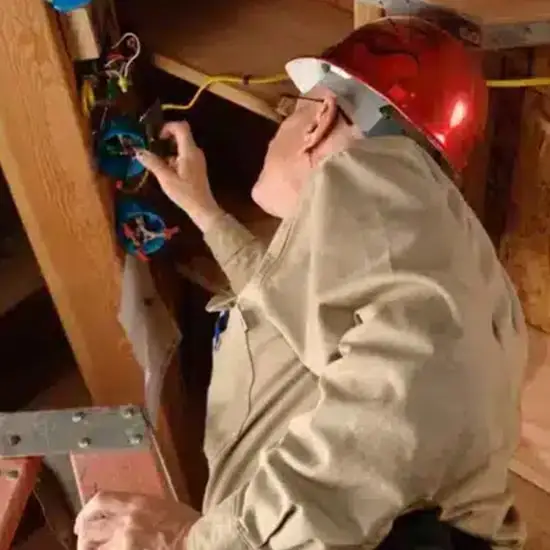
Pre Purchase Building Inspections go beyond basic assessments. Each property receives a thorough evaluation from the foundation through the roof structure. Our trade-qualified inspectors assess structural components, weathertightness systems, electrical installations, and plumbing infrastructure in accordance with AS 4349.1-2007.
Schedule your Pre-Purchase Building Inspection to receive your report within 24-48 hours. Every report includes moisture testing results, structural analysis, and detailed documentation to support confident property negotiations.
WRITTEN BUILDING INSPECTION
Professional and Reliable Inspection reports to AS4349.1 reporting Standards
METH TESTING
Same-day onsite testing with your building inspection in all suburbs
VERBAL BUILDING INSPECTION
On site or over the phone verbal overview for time critical decisions




Baulkham Hills' Unique Building Challenges
Baulkham Hills is one of those suburbs where block geometry and landscaping history matter almost as much as the building itself. Streets can look consistently tidy, yet each property may have a different combination of cut-and-fill, retaining walls, split-level design, and surface water behaviour.
That variation is why generic assumptions often fail here. The same style of house can perform very differently depending on how water is managed from the roof edge to the stormwater outlet.
1) Undulating blocks and retained ground pressure
Many Baulkham Hills properties are built on land that has been reshaped over decades. Retaining walls, terraced yards, and raised garden beds are common practical solutions, but they also create long-term moisture interfaces. If drainage behind retained areas is limited, damaged, or partially blocked, water can accumulate, keeping adjacent zones damp well beyond rainfall events.
During inspections, we often find signs that this has been happening slowly: recurring staining at base courses, efflorescence on masonry, soft render patches near lower walls, or musty odours in rooms adjacent to retained soil lines. In split-level homes, lower-side rooms and storage zones are particularly sensitive because they sit closer to the damp load and may have less passive drying capacity.
One challenge for buyers is that these problems are not always dramatic in dry weather. A property can look clean and freshly painted, while hidden moisture remains active beneath the finishes. That is why we track clues across multiple zones — roof discharge points, garden grades, retaining edges, and internal moisture indicators — rather than treating each sign in isolation.
2) Roof plumbing under tree canopy and seasonal storm load
Baulkham Hills has many established trees, which add street appeal but increase demand for roof maintenance. Leaf litter, twigs, and fine organic debris can reduce gutter and valley capacity, especially where maintenance has been inconsistent. Once water backs up, it may overflow into fascia and eave areas or track through vulnerable penetrations.
Tile roofs in this area often show predictable aging patterns: weakened ridge bedding, brittle pointing, displaced tiles near valleys, and aged flashings at roof junctions. Metal sections on additions can develop deterioration around fasteners and lap joints if earlier repairs relied on short-term sealant fixes. The key point is that failure rarely occurs at a single obvious spot; instead, several moderate defects combine under heavy rain.
Our inspectors also pay close attention to transitions where original roof sections join later additions. These junctions are high-risk because the geometry changes, flashing paths become more complex, and past works may have been carried out in stages. If one section is renewed and the adjoining section is near end-of-life, leak pathways can shift rather than disappear.
For buyers, this means the roof's condition should be assessed as a connected system, not just a visual check from the driveway. A roof that looks “fine” externally may still be directing moisture into concealed spaces if drainage capacity and junction detailing are not performing together.
3) Renovation interfaces and hidden wet-area pathways
Baulkham Hills has a strong history of staged upgrades: kitchen remodels, bathroom replacements, garage conversions, enclosed patios, and rear living extensions. These improvements can significantly lift amenity, but the interfaces between old and new work are where defect concentration is highest.
Common examples include altered floor levels that create awkward waterproofing junctions, new wet areas tied into older plumbing runs, and external paving changes that unintentionally direct water back toward thresholds. We also see rear additions where roof tie-ins appear neat from outside but show moisture tracing in adjacent ceiling zones.
In wet areas, repeated minor leakage is a bigger issue than a single obvious event. Slow seepage at shower edges, failed sealant joints, and deteriorated toilet connectors can keep framing and linings damp for long periods. If ventilation is poor, internal humidity stays elevated, and damage accelerates. By the time finishes, the repair scope can extend beyond the room itself.
Where older homes include fibro-cement elements in eaves or external linings, renovation planning needs extra care during any intrusive works. The material may be stable in place, but disturbance during upgrades can add complexity and cost if not managed properly.
Era-specific housing behaviour in Baulkham Hills
Homes from the 1960s to 1980s often have solid bones but show age in the roof, plumbing, wet-area detailing, and drainage pathways that have been modified over time by landscaping. Timber and mixed-material junctions in this era can perform well when dry, but they are less forgiving of long-term moisture exposure.
Properties from the 1990s to early 2000s often include larger floor plans and more complex roof forms. That complexity introduces more valleys, penetrations, and flashing junctions to maintain. Where extensions were added later, the risk profile is driven more by transition quality than by headline age.
Why drainage patterns can be misleading here
A recurring issue in Baulkham Hills is “partial improvement.” Owners may renew visible elements — a new section of gutter, resurfaced paving, fresh paint to lower walls — while underlying discharge paths remain unchanged. The result is a home that looks upgraded but still carries the same moisture pathways.
We often see this in side-access corridors and rear-entertainment areas. Surface finishes are tidy, yet falls are marginal and stormwater points are undersized for peak downpour events. In those conditions, water repeatedly reaches the same vulnerable junctions, and defects return in cycles.
Recent Inspection Examples
Example 1: Split-level brick veneer with lower-side damp recurrence
We inspected a split-level family home on a sloping street with strong presentation, including recent interior paint and updated flooring. The buyer’s concern was a recurring musty smell after rainfall. Externally, we noted the retention of landscaping along the lower boundary and the downpipe discharge, which concentrated runoff toward a corner garden zone.
Internally, moisture readings were elevated in a lower-level wall adjoining that boundary, and localised deterioration was visible at skirting level. Roof-space checks also showed historical damp insulation near a valley junction. The issue was not one major defect, but a linked moisture pathway from the roof and surface water to the lower perimeter.
Example 2: Renovated 1980s home with rear extension junction leaks
Another property was a 1980s brick-veneer home with a modern rear extension and an enclosed outdoor area. Finishes were high quality, but minor plaster bubbling had reappeared near a rear ceiling junction despite earlier repairs.
Inspection identified aging flashing and sealant failure where the old and new roof sections met, as well as gutter debris reducing flow at a key discharge point. In wet areas, a slow leak at a shower edge in the updated ensuite had also contributed to sustained internal moisture nearby. The combined pattern showed how multiple moderate defects can interact and create persistent dampness even in an otherwise well-presented home.
In Baulkham Hills, the highest-value inspection outcomes usually come from understanding water movement as a whole-property system. When roof drainage, surface falls, retaining edges, and wet-area detailing work together, ongoing maintenance is typically predictable. When one part is out of step, costs can escalate quickly and repeatedly.
We offer building inspections across Australia — Sydney, Melbourne, Perth, Adelaide, Canberra, Tasmania and Darwin.
Sydney locations include: Parramatta, Blacktown, Liverpool, Penrith, Campbelltown, Bankstown, Castle Hill, Kellyville, Ryde, Hornsby, Bondi, Coogee, Randwick, Chatswood, Newtown, Marrickville, Leichhardt, Ashfield, Manly, Dee Why, Hurstville, Burwood, Strathfield, Epping and Auburn.
